Latest release

Intergenerational Health and Mental Health Study: Concepts, Sources and Methods

Outlines the major concepts, sources and methods used in the Intergenerational Health and Mental Health Study

Reference period
2020-24
Released
31/03/2025

The Intergenerational Health and Mental Health Study (IHMHS) was a group of seven health-related surveys conducted between 2020 and 2024. Together, they help to describe the physical and mental health of Australians. The IHMHS Concepts, Sources and Methods is a comprehensive guide to understanding the IHMHS and the surveys that make it up. It contains information about:

  • survey objectives, content and development
  • data collection procedures
  • data item definitions and methodology
  • data quality and interpretation of results.

The aim of this publication is to assist users of the data to better understand both the nature of the IHMHS and its ability to meet their data needs.

As data from the IHMHS are scheduled to be released progressively, accompanying explanatory material for each release will be added to this publication as it becomes available.

Post-release changes

3 October 2025

  • Now contains additional information relating to the National Aboriginal and Torres Strait Islander Nutrition and Physical Activity Survey 2023.

9 September 2025

  • Now contains additional information relating to the collection method, analysis and interpretation of food and nutrients data, physical measurements data, and food security status data.

27 May 2025

  • Now contains additional information relating to the collection method, analysis and interpretation of per- and polyfluoroalkyl substances data.

7 May 2025

  • Now contains additional information relating to the National Aboriginal and Torres Strait Islander Health Measures Survey 2022–24.

About the Intergenerational Health and Mental Health Study

Purpose

The Intergenerational Health and Mental Health Study (IHMHS) was the largest health study undertaken by the ABS in Australian history.

National health surveys are globally recognised for their significant role in monitoring population health status and health risk factors, including trends over time. The information collected in the IHMHS provides detailed insights into:

  • the impact of mental and behavioural conditions and other long-term health conditions on people in Australia
  • the use of health services and barriers to access
  • risk factors underlying chronic conditions
  • food consumption and physical activity
  • undiagnosed health conditions and nutritional deficiencies
  • biomedical factors that contribute to poor health outcomes
  • lived experiences of suicide and related services.

Over 55,000 Australians took part in the IHMHS between 2020 and 2024. The information collected supports the creation, delivery and evaluation of health policies and research that will help Australians live longer, healthier lives.

Structure

The IHMHS covered all people in Australia, including people living in very remote areas and discrete Aboriginal and Torres Strait Islander communities. It was comprised of seven surveys:

  • National Study of Mental Health and Wellbeing (NSMHW) 2020–22
  • National Health Survey (NHS) 2022
  • National Aboriginal and Torres Strait Islander Health Survey (NATSIHS) 2022–23
  • National Nutrition and Physical Activity Survey (NNPAS) 2023
  • National Aboriginal and Torres Strait Islander Nutrition and Physical Activity Survey (NATSINPAS) 2023
  • National Health Measures Survey (NHMS) 2022–24
  • National Aboriginal and Torres Strait Islander Health Measures Survey (NATSIHMS) 2022–24.

Surveys in the IHMHS

Surveys in the IHMHS

The IHMHS includes seven national surveys grouped into four studies.

  • The National Study of Mental Health and Wellbeing includes content on mental disorders, services used for mental health, suicidality and self-harm behaviours.
  • The National Health Study includes the National Health Survey and the National Aboriginal and Torres Strait Islander Health Survey. They include content on long-term health conditions, health-related actions, and risk factors.
  • The National Nutrition and Physical Activity Study includes the National Nutrition and Physical Activity Survey and the National Aboriginal and Torres Strait Islander Nutrition and Physical Activity Survey. They include content on food, nutrient and dietary supplement intake, and physical and sedentary activity.
  • The National Health Measures Study includes the National Health Measures Survey and the National Aboriginal and Torres Strait Islander Health Measures Survey. They include content on biomarkers for selected chronic diseases and nutrients. It is drawn from voluntary participants from other IHMHS health or nutrition and physical activity studies.

The NHMS 2022–24 was comprised of volunteering participants from either the NHS 2022 or the NNPAS 2023. The NATSIHMS 2022–24 was comprised of volunteering participants from either the NATSIHS 2022–23 or the NATSINPAS 2023.

There is no Aboriginal and Torres Strait Islander peoples component for the NSMHW 2020–22.

History of collection

The ABS previously conducted a similar set of surveys as part of the Australian Health Survey 2011–13. This collection was similar in size and scope, but did not include a survey designed specifically to collect information on mental disorders and their impacts. For more information, see Australian Health Survey: Users' Guide 2011–13 (cat. no. 4363.0.55.001).

The ABS has also conducted some components of the IHMHS individually on previous occasions. The NHS was conducted on a 3-year cycle between 2001 and 2022. Prior to this, it was conducted in 1989–90 and 1995. The NATSIHS has been previously conducted in 2018–19, 2012–13, and 2004–05. The NHS 2001 also included an Aboriginal and Torres Strait Islander sample.

Other IHMHS surveys are not collected regularly. Nutrition and physical activity surveys (NNPAS and NATSINPAS), and health measures surveys (NHMS and NATSIHMS) were last conducted in 2011–12. The NSMHW was last conducted in 2007.

National Health Survey 2022

The National Health Survey 2022 was conducted from January 2022 to April 2023 and is the most recent in a series of Australia-wide health surveys. Data was collected people aged zero years and over across Australia, excluding very remote areas and discrete Aboriginal and Torres Strait Islander communities.

The survey focused on the health status of Australians and health-related aspects of their lifestyles. Information was collected on long-term and chronic health conditions, as well as health risk factors such as smoking and vaping, alcohol consumption, and physical activity.

Prescription medications data was sourced from the Pharmaceutical Benefits Scheme (PBS) through linkage to the Person Level Integrated Data Asset, instead of being collected directly from survey respondents. Appropriate permissions were obtained to source the PBS data for this purpose.

For key statistics, see National Health Survey, 2022.

For more information on the scope, geography, collection method, reporting guidelines used and history of changes, see National Health Survey methodology, 2022.
 

National Aboriginal and Torres Strait Islander Health Survey 2022–23

The National Aboriginal and Torres Strait Islander Health Survey (NATSIHS) 2022–23 was conducted from August 2022 to March 2024. Data was collected from Aboriginal and Torres Strait Islander people aged zero years and over around Australia, in both non-remote and remote areas, including discrete Aboriginal and Torres Strait Islander communities.

The survey focused on the health of Aboriginal and Torres Strait Islander people and was developed following extensive consultation to identify priority data requirements and data gaps. Information was collected on long-term and chronic health conditions, as well as health risk factors such as smoking and vaping, alcohol consumption, and physical activity.

The survey was designed to provide reliable estimates at the national and state/territory levels and by remoteness. Estimates for the Australian Capital Territory are not able to be published separately but are included in national estimates.

For main findings, see National Aboriginal and Torres Strait Islander Health Survey, 2022-23.

For more information on the scope, geography, collection method, reporting guidelines used and history of changes, see National Aboriginal and Torres Strait Islander Health Survey methodology, 2022-23.

National Nutrition and Physical Activity Survey 2023

The National Nutrition and Physical Activity Survey (NNPAS) 2023 was conducted from January 2023 to March 2024 and collected information from people aged two years and over across Australia, excluding very remote areas and discrete Aboriginal and Torres Strait Islander communities.

Information was collected about nutritional intakes (including foods, nutrients and dietary supplements consumed) using dietary recall and additional self-reported questions.

Dietary intake information was collected using Intake24, which is a dietary recall assessment tool that was modified to reflect Australian conditions. It involves a structured interview, where participants are asked to recall all the food and drinks they consumed in the 24 hours prior to interview.

Participants were asked to complete a second day of dietary recall eight days after their interview. This will support the analysis of:

Physical and sedentary activity information was collected from respondents using a combination of measured and self-reported data. To measure physical and sedentary activity, participants aged 5 years and over were asked to wear an activity wristband. Additional self-report questions were asked of participants about sleep. Children’s self-reported physical and sedentary activity information was also collected.

Similar nutrition and physical activity data was previously collected in the NNPAS 2011–13.

For main findings, see National Nutrition and Physical Activity Survey, 2023.

National Aboriginal and Torres Strait Islander Nutrition and Physical Activity Survey 2023

The National Aboriginal and Torres Strait Islander Nutrition and Physical Activity Survey (NATSINPAS) 2023 was conducted from January 2023 to March 2024. Data was collected from Aboriginal and Torres Strait Islander people aged 2 years and over around Australia, in both non-remote and remote areas, including discrete Aboriginal and Torres Strait Islander communities.

The survey was developed following extensive consultation to identify priority data requirements and data gaps.

Information was collected about nutritional intakes (including foods, nutrients and dietary supplements consumed) of Aboriginal and Torres Strait Islander people. Additional information was collected on:

  • access and barriers to healthy and nutritious foods
  • access and barriers to drinking tap water
  • influences on dietary choices.

Dietary intake information was collected using Intake24, which is a dietary recall assessment tool that was modified to reflect Australian conditions. It involves a structured interview, where participants are asked to recall all the food and drinks they consumed in the 24 hours prior to interview.

Physical and sedentary activity information was collected from respondents using a combination of measured and self-reported data. To measure physical and sedentary activity, participants aged 5 years and over were asked to wear an activity wristband. Additional self-report information was collected from participants on physical and sedentary activity, and sleep.

Similar nutrition and physical activity data was previously collected in the NATSINPAS 2012–13.

For more findings, see National Aboriginal and Torres Strait Islander Nutrition and Physical Activity Survey, 2023.

National Health Measures Survey 2022–24

The National Health Measures Survey (NHMS) 2022–24 was conducted from January 2022 to April 2024 and involved the collection of biomedical samples from participants aged 5 years and over across Australia, excluding very remote areas and discrete Aboriginal and Torres Strait Islander communities.

It measured specific biomarkers for chronic disease and nutrition status, from tests on blood and urine samples from volunteering participants selected in either the National Health Survey 2022 or the National Nutrition and Physical Activity Survey 2023.

Biomarkers collected include:

  • chronic disease biomarkers, including tests for diabetes, cardiovascular disease, kidney disease and liver function
  • nutrient biomarkers, including tests for iron, folate, vitamin B12, iodine, vitamin D, sodium and potassium levels.

In addition to chronic disease and nutrient biomarkers, the NHMS 2022–24 included tests for per- and polyfluoroalkyl substances, which are chemical contaminants found in the environment.

Participants’ self-reported information on health conditions and health risk factors, such as diet, physical activity and smoking, was taken from their responses in the other IHMHS surveys. For more information, see Overlap between surveys in the IHMHS.

This was the second time the ABS collected voluntary biomedical data in the NHMS. It was previously collected in 2011–13.

For main findings, see National Health Measures Survey, 2022–24.

For more information on the scope, geography, collection method, reporting guidelines used and history of changes, see National Health Measures Survey methodology, 2022–24.

Australian Health Biobank

Participants over the age of 18 in the National Health Survey 2022 and the National Nutrition and Physical Activity Survey 2023 were given the option to provide a sample for storage in the Australian Health Biobank (AHB).

The AHB is funded by the Department of Health and Aged Care who have contracted the Commonwealth Scientific and Industrial Research Organisation (CSIRO) to act as the AHB Custodian. For more information on the AHB, visit the CSIRO Australian Health Biobank webpage.

National Aboriginal and Torres Strait Islander Health Measures Survey 2022–24

The National Aboriginal and Torres Strait Islander Health Measures Survey (NATSIHMS) 2022–24 was conducted from August 2023 to April 2024 and involved the collection of biomedical samples from Aboriginal and Torres Strait Islander participants aged 5 years and over across Australia, in both non-remote and remote areas, including discrete Aboriginal and Torres Strait Islander communities.

It measured specific biomarkers for chronic disease and nutrition status, from tests on blood and urine samples from volunteering participants selected in either the National Aboriginal and Torres Strait Islander Health Survey 2022–23 or the National Aboriginal and Torres Strait Islander Nutrition and Physical Activity Survey 2023.

Biomarkers collected include:

  • chronic disease biomarkers, including tests for diabetes, cardiovascular disease, kidney disease and liver function
  • nutrient biomarkers, including tests for iron, folate, vitamin B12, iodine, vitamin D, sodium and potassium levels.

Per- and polyfluoroalkyl substances were not tested in this survey following consultation with Aboriginal and Torres Strait Islander people.

Participants’ self-reported information on health conditions and health risk factors, such as diet, physical activity and smoking, was taken from their responses in the other IHMHS surveys. For more information, see Overlap between surveys in the IHMHS.

For main findings, see National Aboriginal and Torres Strait Islander Health Measures Survey, 2022–24.

For more information on the scope, geography, collection method, reporting guidelines used and history of changes, see National Aboriginal and Torres Strait Islander Health Measures Survey methodology, 2022–24.

Overlap between surveys in the IHMHS

Content overlap between the NHS 2022 and the NNPAS 2023

Several topics were collected in both the National Health Survey (NHS) 2022 and the National Nutrition and Physical Activity Survey (NNPAS) 2023. Content common to both surveys is therefore available in the National Health Measures Survey 2022–24. The following diagram shows the overlap in topics between the NHS 2022 and the NNPAS 2023.

Content overlap between the NHS 2022 and the NNPAS 2023

Content overlap between the NHS 2022 and the NNPAS 2023

Content that overlaps between the NHS 2022 and the NNPAS 2023 includes:

  • self-reported cardiovascular disease, diabetes, and chronic kidney disease
  • current smoker status
  • self-reported body mass and measurements
  • voluntary physical measurements (height, weight, waist and blood pressure)
  • household and geographic details
  • socio-economic and demographic information.

Content available in the NHS 2022 only includes:

  • long-term health conditions
  • smoking and vaping
  • alcohol consumption
  • fruit and vegetable consumption
  • physical activity (15+ years)
  • breastfeeding
  • disability
  • self-assessed health status
  • psychological distress
  • bodily pain
  • over-the-counter medications
  • PBS-linked medications.

Content available in the NNPAS 2023 only includes:

  • dietary intake (two days of recall)
  • food security
  • food avoidance
  • physical and sedentary activity (2–17 years)
  • activity wristband (5+ years)
  • sleep.

Content overlap between the NATSIHS 2022–23 and the NATSINPAS 2023

Several topics were collected in both the National Aboriginal and Torres Strait Islander Health Survey (NATSIHS) 2022–23 and the National Aboriginal and Torres Strait Islander Nutrition and Physical Activity Survey (NATSINPAS) 2023. Content common to both surveys is therefore available in the National Aboriginal and Torres Strait Islander Health Measures Survey 2022–24. The following diagram shows the overlap in topics between the NATSIHS 2022–23 and the NATSINPAS 2023.

Content overlap between the NATSIHS 2022–23 and the NATSINPAS 2023

Content overlap between the NATSIHS 2022–23 and the NATSINPAS 2023

Content that overlaps between the NATSIHS 2022–23 and the NNPAS 2023 includes:

  • self-reported cardiovascular disease, diabetes, and chronic kidney disease
  • current smoker status
  • fruit and vegetable consumption
  • food security
  • physical activity (15+ years remote, 18+ years non-remote)
  • mental health
  • self-assessed health status
  • disability
  • self-reported body measurements
  • voluntary physical measurements (height, weight, waist and blood pressure)
  • household and geographic details
  • socio-economic and demographic information.

Content available in the NATSIHS 2022–23 only includes:

  • long-term health conditions
  • smoking and vaping
  • alcohol consumption
  • sugar sweetened and diet drink consumption
  • physical activity (15–17 years non-remote)
  • breastfeeding
  • psychological distress
  • stressors
  • unfair treatment
  • social and emotional wellbeing
  • cultural determinants of health
  • use of health services and barriers to access
  • personal internet use
  • medications.

Content available in the NATSINPAS 2023 only includes:

  • dietary intake (one day of recall)
  • access and barriers to healthy and nutritious food
  • access and barriers to drinking tap water
  • influences on dietary choices
  • physical activity (5–14 years remote, 2–17 years non-remote)
  • activity wristband (5+ years)
  • sedentary activity
  • sleep.

Content comparison between the NHS 2022 and the NATSIHS 2022–23

Whilst content for the NHS 2022 and the NATSIHS 2022–23 were designed separately, and responses were not combined, users may be interested in topics collected in both surveys. The diagram below compares the content between these surveys.

Content comparison between the NHS 2022 and the NATSIHS 2022–23

Content comparison between the NHS 2022 and the NATSIHS 2022–23

Survey topics that were similar between the NHS 2022 and NATSIHS 2022–23 were:

  • long-term health conditions
  • smoking and vaping
  • alcohol consumption
  • fruit and vegetable consumption
  • physical activity (15+ years)
  • breastfeeding
  • disability
  • self-assessed health status
  • psychological distress
  • voluntary physical measurements (height, weight, waist circumference and blood pressure)
  • medications
  • household and geographic details
  • demographic and socio-economic information.

Additional content unique to the NHS 2022 included:

  • bodily pain
  • over-the-counter medications.

Additional content unique to the NATSIHS 2022–23 included:

  • food security
  • sugar sweetened and diet drink consumption
  • stressors
  • unpaid care
  • unfair treatment
  • social and emotional wellbeing
  • cultural determinants of health
  • use of health services and barriers to access
  • food security
  • sugar sweetened and diet drink consumption
  • stressors
  • unpaid care
  • unfair treatment
  • social and emotional wellbeing
  • cultural determinants of health
  • use of health services and barriers to access
  • personal use of the internet.

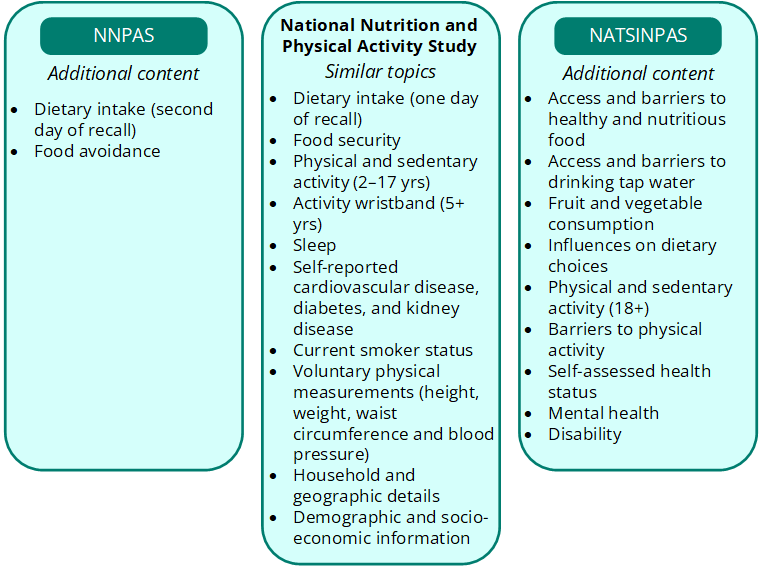
Content comparison between the NNPAS 2023 and the NATSINPAS 2023

Whilst content for the NNPAS 2023 and the NATSINPAS 2023 were designed separately, and responses were not combined, users may be interested in topics collected in both surveys. The diagram below compares the content between these surveys.

Content comparison between the NNPAS 2023 and the NATSINPAS 2023

Content comparison between the NNPAS 2023 and the NATSINPAS 2023

Survey topics that were similar between the NNPAS 2023 and NATSINPAS 2023 were:

  • dietary intake (one day of recall)
  • food security
  • physical and sedentary activity (2-17 years)
  • activity wristband (5+ years)
  • sleep
  • self-reported cardiovascular disease, diabetes, and kidney disease
  • current smoker status
  • voluntary physical measurements (height, weight, waist and blood pressure)
  • household and geographic details
  • demographic and socio-economic information.

Additional content unique to the NNPAS 2023 included:

  • dietary intake (second day of recall)
  • food avoidance.

Additional content unique to the NATSINPAS 2023 included:

  • access and barriers to healthy and nutritious food
  • access and barriers to drinking tap water
  • fruit and vegetable consumption
  • influences on dietary choices
  • physical and sedentary activity (18+ years)
  • barriers to physical activity
  • self-assessed health status
  • mental health
  • disability.

National Study of Mental Health and Wellbeing 2020–22

The National Study of Mental Health and Wellbeing (NSMHW) 2020–22 was run with two cohorts and collected information about mental health prevalence in Australia for people aged 16–85 years. The first cohort was surveyed between December 2020 and July 2021. The second cohort was surveyed between December 2021 and October 2022.

The survey uses the Composite International Diagnostic Instrument (CIDI) 3.0, which is a diagnostic tool developed by the World Health Organization for assessing mental disorders. The CIDI asks respondents about symptoms and experiences over their lifetime as well as in the last 12 months and assesses these against diagnostic criteria for mental disorders.

Key content

  • Prevalence of mental disorders
  • Use of health and social support services
  • Suicidality and self-harm
  • Aspects of disordered eating
  • General health and wellbeing, including psychological distress, social connectedness, and functioning
  • Demographic and socio-economic information
  • Household and geographic details

As part of the NSMHW 2020–22, there was a 12-month follow-up phone interview survey for participants who agreed to participate. Respondents were asked about mental health service use and associated outcomes.

There is no Aboriginal and Torres Strait Islander peoples component for this study.

The ABS previously conducted this survey in 2007. The 2020–22 survey is broadly comparable with the 2007 cycle.

For main findings, see National Study of Mental Health and Wellbeing, 2020-2022.

For more information on the scope, geography, collection method, reporting guidelines used and history of changes, see National Study of Mental Health and Wellbeing methodology, 2020-2022.

Biomedical collections

About the surveys

The National Health Measures Study 2022–24 consists of two biomedical surveys:

  • the National Health Measures Survey (NHMS) 2022–24
  • the National Aboriginal and Torres Strait Islander Health Measures Survey (NATSIHMS) 2022–24. 

Both surveys measured specific biomarkers for chronic disease and nutrition status, by testing blood and urine samples from volunteering participants. 

People aged 12 years and over were asked to provide a blood and a urine sample. Children aged 5–11 years were asked to provide a urine sample only.

For more information about the scope of the NHMS 2022–24 and NATSIHMS 2022–24, see the National Health Measures Survey methodology, 2022–24 and National Aboriginal and Torres Strait Islander Health Measures Survey methodology, 2022–24.

Biomarkers

A biomarker refers to a measured biomedical characteristic, which may be used to indicate a health risk factor or condition. The biomarkers included in the National Health Measures Study were selected with guidance from a biomedical expert group established by the ABS.

Biomarkers collected in the IHMHS fall into three categories:

  • chronic disease biomarkers, including tests for diabetes, cardiovascular disease, chronic kidney disease and liver function
  • nutrient biomarkers, including tests for iron, folate, vitamin B12, iodine, vitamin D, sodium and potassium levels
  • per- and polyfluoroalkyl substances (PFAS), which are chemical contaminants found in the environment (NHMS only).

Disease prevalence

Estimates of the prevalence of chronic diseases such as cardiovascular disease, diabetes and chronic kidney disease may be derived from a combination of biomedical results and self-reported data from the survey components of the IHMHS.

While self-reported estimates are a valuable data source, they may underestimate the true prevalence of chronic diseases. Biomedical results can be used together with the self-reported data to provide an objective measure of Australia's prevalence of chronic disease and data on the proportion of the population with undiagnosed cases of disease.

Information on chronic disease risk factors, such as diet, physical activity and smoking behaviours, were collected in other components of the IHMHS.

The following table provides an overview of all IHMHS biomedical tests. PFAS tests were conducted in the NHMS component only following consultation with Aboriginal and Torres Strait Islander people. More information regarding the biomedical tests can be found in the relevant subsections.

Summary of biomarker tests conducted
GroupBiomarkerAgeTest typeFasting requiredCollected in NHMS 2022–24Collected in NATSIHMS 2022–24
Cardiovascular disease biomarkersTotal Cholesterol 12+BloodNoYesYes
High-Density Lipoprotein (HDL) Cholesterol12+BloodNoYesYes
Low-Density Lipoprotein (LDL) Cholesterol12+BloodYesYesYes
Triglycerides12+BloodYesYesYes
Diabetes biomarkersFasting plasma glucose (FPG)12+BloodYesYesYes
Glycated Haemoglobin (HbA1c)12+BloodNoYesYes
Chronic kidney disease biomarkersAlbumin creatinine ratio (ACR)5+UrineNoYesYes
Estimated glomerular filtration rate (eGFR)12+BloodNoYesYes
Folate and vitamin B12Serum folate12+BloodNoYesYes
Serum vitamin B1212+BloodNoYesYes
Iron biomarkersSerum ferritin12+BloodNoYesYes
C-reactive Protein (CRP)12+BloodNoYesYes
Soluble transferrin receptor (sTfR)12+BloodNoYesYes
Haemoglobin (Hb)12+BloodNoYesYes
Vitamin DSerum 25-hydroxyvitamin D [25(OH)D]12+BloodNoYesYes
Urinary ionsIodine 5+UrineNoYesYes
Sodium 5+UrineNoYesYes
Potassium 5+UrineNoYesYes
PFASPerfluorooctane sulfonic acid (PFOS)12+BloodNoYesNo
Perfluorohexane sulfonic acid (PFHxS)12+BloodNoYesNo
Perfluorooctanoic acid (PFOA)12+BloodNoYesNo
Perfluorobutane sulfonic acid (PFBS)12+BloodNoYesNo
Perfluorohexanoic acid (PFHxA)12+BloodNoYesNo
Perfluoroheptanoic acid (PFHpA)12+BloodNoYesNo
Perfluorononanoic acid (PFNA)12+BloodNoYesNo
Perfluorodecanoic acid (PFDA)12+BloodNoYesNo
6:2 Fluorotelomer sulfonic acid (6:2 FTS)12+BloodNoYesNo
Perfluoroheptane sulfonic acid (PFHpS)12+BloodNoYesNo
Perfluroroundecanoic acid (PFUnDA)12+BloodNoYesNo


Further information about test type, analyser system, and laboratory reference ranges can be found on the Downloads page.

Ethics

Ethics approval for the NHMS 2022–24 was granted by the Bellberry Human Research Ethics Committee in December 2021. For more information, see the National Health Measures Survey methodology, 2022–24.

The NATSIHMS 2022–24 required ethical approval from the relevant Aboriginal and/or Torres Strait Islander Human Research Ethics Committee for the areas where participants were recruited. For more information, see the National Aboriginal and Torres Strait Islander Health Measures Survey methodology, 2022–24.

Sample collection and analysis

Blood and urine collection

Most blood and urine samples were collected at Sonic Healthcare Australia Pathology collection clinics or via a home visit. In the NATSIHMS 2022–24, alternative pathology collection services were arranged for Aboriginal and Torres Strait Islander people living in remote areas and discrete Indigenous communities. For more information, see the National Health Measures Survey methodology, 2022–24 and National Aboriginal and Torres Strait Islander Health Measures Survey methodology, 2022–24.

Blood samples

Qualified phlebotomists collected fasting and non-fasting blood samples from persons aged 12 years and over into four collection tubes:

  • 1 x 8.5mL SST gel tube for serum analysis
  • 1 x 8.5mL SST gel tube for validation tests
  • 1 x 4mL EDTA (Ethylene Diamine Tetra-acetic Acid) tube for whole blood analysis
  • 1 x 4mL Fluoride oxalate tube for blood plasma analysis.

The order of priority for collecting blood samples was the 8.5mL SST tubes, the 4mL EDTA tube, followed by the 4mL Fluoride oxalate tube. While participants were encouraged to fast, fasting was optional. Sonic Healthcare Australia Pathology collectors recorded the fasting status, date, and time of each collection.

Urine samples

A spot urine sample was obtained from participants aged 5 years and over.

Clinically significant results

The ABS established a mechanism with Sonic Healthcare Australia Pathology ensuring that participants and/or their nominated health professional were notified by Sonic Healthcare Australia Pathology of critical or clinically significant test results.

Laboratory analysis

All samples were analysed at a central Sonic Healthcare Australia Pathology laboratory at Douglass Hanly Moir Pathology (DHM) in Sydney, Australia on machines accredited by the National Association of Testing Authorities, with the exception of the iodine and the per- and polyfluoroalkyl substances tests which were conducted by Sullivan Nicolaides Pathology in Queensland. DHM conducted Internal Quality Control (IQC) analysis for all the instruments used to conduct analysis on the blood and urine samples.

Periodic analysis of External Quality Assurance (EQA) samples provided by the Royal College of Pathologists of Australasia (RCPA) was conducted at DHM, with results independently assessed against set targets. The ABS monitored the analysis and delivery of results through specific quality measures. The results from the IQC and EQA reports indicate that the accuracy and precision of instruments used to analyse samples fell within expected limits against set targets.

Quality measures

Quality measures provided by Sonic Healthcare Australia Pathology measured performance criteria such as turnaround time (TAT). The TAT was used to assess any adverse impacts to the blood and urine samples due to time delays from collection to analysis.

Quality measure targets included:

  • TAT from collection to analysis of less than 72 hours
  • TAT from first analysis to final report of less than 96 hours for blood samples and less than 120 hours for urine samples (to accommodate for iodine analyses)
  • final and complete results provided to the ABS within 7 days
  • less than 1% of results received to the ABS with missing information or results
  • less than 1% of errors from total collection to be reissued
  • less than 1% of collected samples with insufficient volumes or missing tubes
  • all quality assurance reports (100%) results delivered to the ABS within the required range/standard.

Laboratory procedures

All analyses were carried out according to standard operating procedures set by Sonic Healthcare Australia Pathology. All results were routinely checked by the dedicated quality control laboratory technicians and clinically significant results were notified to the laboratory pathologist. Method coefficient of variations were obtained by an appropriate IQC programme for each machine based on the measurement of biomarker concentrations around the clinical laboratory cut-offs.

Quality assurance

Analytical control of the imprecision (variability) of results was monitored and maintained using a multi-layered quality assurance system comprising of:

  • IQC processes
  • participation in an EQA Program
  • the periodic review of analytical variability for each test.

The ABS is satisfied with the quality assurance system used by Sonic Healthcare Australia Pathology to ensure the reliability of results.

IQC processes were conducted by the DHM laboratory to monitor the performance of the methods and machines used to analyse the blood and urine samples and identify any analytical errors.

An EQA system assesses the overall performance of the laboratory and conducts method comparisons between laboratory test results. Whilst conducting this assessment, the EQA authority can identify problems with certain methods.

Royal College of Pathologists of Australasia

DHM subscribes to the Quality Assurance Program (QAP) that is run by the RCPA (RCPA n.d.). During the testing period, DHM received blind samples of varying concentration from RCPA at regular frequencies throughout the calendar year. These samples were analysed with the results sent back to RCPA and compared against other laboratories across Australia and New Zealand.

RCPA distributes reports to all participating laboratories annually reporting mean values for test methods, inter-laboratory measurements of precision and details of laboratory bias. DHM provided their RCPA QAP reports to the ABS to ensure confidence in the analytical methods and machines used to analyse samples.

Vitamin D Standardization Program

The vitamin D Standardization Program (VDSP) was established by the US National Institute of Health (NIH) Office of Dietary Supplements, in collaboration with the Centers for Disease Control and Prevention and the National Institute for Standards and Technology in 2010. The aim of the VDSP is to internationally standardise the vitamin D analytical method and test the international differences and similarities in serum vitamin D (25-hydroxyvitamin D [25(OH)D]) distributions (NIH 2024, n.d.). Sonic Healthcare Australia Pathology used the VDSP recommended method of analysis for vitamin D.

References

National Institute of Health Office of Dietary Supplements (NIH) (2024), Vitamin D, NIH website, accessed 20/02/2025.

National Institute of Health Office of Dietary Supplements (NIH) (n.d.), Office of Dietary Supplements Vitamin D Initiative 2004-2018, NIH, accessed 20/02/2025.

Royal College of Pathologists of Australasia (RCPA) (n.d.), RCPA Quality Assurance Programs, RCPA Quality Assurance Programs website, accessed 20/02/2025.

Comparing biomedical collections over time

Introduction

The IHMHS is the second time the ABS has collected information on biomedical indicators. Biomedical indicators were first collected as part of the National Health Measures Survey (NHMS) 2011–12 and the National Aboriginal and Torres Strait Islander Health Measures Survey (NATSIHMS) 2012–13. In both collections, information was collected for the general population and for Aboriginal and Torres Strait Islander peoples. The ABS anticipates that users will have interest in comparing these collections to understand changes in biomedical information over time.

However, there are a range of factors that may impact the comparability of survey results across time. In some cases, it may be difficult to distinguish between changes due to methods, changes due to equipment updates, and/or changes due to biological trends. Users should be aware of these factors when comparing results between ABS biomedical collections. This page presents information on known changes in pathology test methodology and equipment between 2011–13 and 2022–24 for users looking to compare data across time. 

Pathology testing methodology and equipment

The approximately 10-year time period between the 2011–13 and 2022–24 biomedical collections significantly exceeds the life of most laboratory equipment. While the same pathology provider conducted the testing in 2011–13 and 2022–24 using a single laboratory, in some cases equipment for specific tests changed and/or the method of analysis changed in that time.

Verification and validation processes were conducted by the pathology provider each time a method and/or equipment was upgraded. Whilst these processes were robust, it was not always possible to directly verify current instrumentation and methods of analysis used in the 2022–24 against that used for in 2011–13 due to more than one change having been made. In addition to equipment changes, reagent lots may have changed, and calibrators and traceability may have improved. Internal procedures were in place for new batches of reagents and assays to check and adjust for results drift.

The precision of the methods (± x%) for each biomedical test needs to be considered when comparing results from old and new methods, in this case when interpreting observed changes in patient means between the two survey periods (i.e. whether observed changes are within the accepted precision range or not). New instruments tend to be more sensitive than older ones, with positive results at the lower end of the distribution that would not have been reported using older instruments.

To understand the impacts of changes in pathology methodology and equipment, the ABS commissioned expert advice on the equivalence of the individual tests in the 2022–24 with those undertaken in 2011–13. This work looked at the viability of using a range of various analytical tools to determine comparability of biomedical results over time. This included Quality Control material, Quality Assurance Program material and patient means data from the pathology provider.

Patient means data

Patient means data are routinely used by pathology companies to inform comparability of their results over time (e.g. mean or median fasting plasma glucose levels for patients attending pathology clinics). Patient means data is based on individual test results and cannot distinguish individual people. Patient means data were extracted by the pathology provider for each test from their database for comparable time periods (2011–13, 2022–24) and included patient numbers, means, medians, and standard deviations of the tested pathology by age and sex. Patients who attended the pathology clinic for the purposes of the ABS collections were excluded from patient means analysis.

The numbers of data points available for tests included in standard pathology tests for individuals (such as cholesterol and haemoglobin) were much higher than those for tests which are usually only reported on special request by a health professional for an individual or recorded through studies of population health (such as sodium, potassium, and iodine). Results indicated that patient means data were not normally distributed. As patient means data cannot distinguish individual people, it cannot identify whether a person has been tested multiple times for medical reasons in the period assessed or only once.

In determining the comparability of results over time for each test, the patient means data should not be given the same weight by the user as the instrument verification and validation results, because the populations from which they were drawn were different in the two time periods assessed.

Changes in clinical practice

Over time, there have been changes in clinical practice and government health policy that may influence the type of clients attending pathology clinics. For example, the HbA1c test for diabetes is now used by health professionals to diagnose diabetes as well as to assess longer term management of diabetes (WHO 2019; D’Emden et al. 2012; Australian Diabetes Society 2015).

The age at which diabetes screening occurs has been lowered since 2011–13. For the general population, screening should now be every 3 years starting at age 40, and for people with obesity or other risk factors, screening should be every 3 years, not limited by age (RACGP 2016, 2020; Bell et al. 2020). For Aboriginal and Torres Strait Islander peoples, the screening age was initially lowered from that for the general population based on evidence from previous ABS biomedical surveys, but a more recent recommendation from the Royal Australian College of General Practitioners was for annual diabetes screening from 18 years of age and from 10 years of age for children with one or more risk factors (Burrow and Ride 2016; RACGP 2016, 2024; NACCHO 2024).

Recommendations for requesting a vitamin D test have also changed since 2011–13. The vitamin D test is currently not routinely recommended for adults, children or healthy infants, and there are criteria for eligibility for coverage of the cost of the test by the Pharmaceutical Benefits Scheme for ‘at risk’ groups (RACGP 2024).

Changes to clinical practice can impact the patient population used to derive quality metrics like patient means, but the impact on these data sets is unknown. In some cases, for example HbA1c and serum ferritin, changes in patient means data between the two time periods assessed were different in magnitude and direction for different age and sex groups. This indicates a potential change in client population rather than changes in results due to instrument or method upgrades.

Summary of changes

The tables below summarise changes in methods of analysis from 2011–13 to 2022–24, with comments on the equivalence of methods for consideration by users.

Comparability of chronic disease and nutrient biomarkers over time
GroupBiomarkerMethods of analysis and instrumentation
2011–13 and 2022–24
Review of equivalence of methods, instrumentation and patient means(a)
Cardiovascular disease biomarkersTotal cholesterol2011–13 and 2022–24
Cholesterol Oxidase 
(Architect Ci16200 instrument)
No change in method or instrument.
High-density lipoprotein (HDL) cholesterol2011–13 and 2022–24
Enzymatic method plus accelerator selective detergent
(Architect Ci16200 instrument)
No change in method or instrument.
Low-density lipoprotein (LDL) cholesterol2011–13 and 2022–24
Calculated using Friedwald equation from total cholesterol, HDL cholesterol and triglycerides results
No change in equation used.
Triglycerides2011–13 and 2022–24
Lipase glycerol kinase (GPO) 
(Architect Ci16200 instrument)
No change in method or instrument.
Diabetes biomarkersFasting plasma glucose (FPG)

2011–13 
Hexokinase
(Integra 800 instrument)

2022–24
Hexokinase/G-6-PD
(Abbott Alinity C platform instrument)

No change in method.

One instrument change.

Validation studies demonstrate acceptable correlation between the two instruments. 

Glycated haemoglobin (HbA1c)

2011–13
Cation-Exchange High-Performance Liquid Chromatography (CE-HPLC)
(Biorad Variant II TurboHaemoglobin Testing System)

2022–24
Sebia capillary electrophoresis method
(CAPILLARYS 3 TERA instrument)

One method change.

One instrument change.

Pathology provider extensively evaluated the instrument and method changes.  Studies demonstrated acceptable correlation for method and instrument changes.

Patient means data indicate potential changes over time, where change varies in magnitude and direction for different age and sex groups.

Chronic kidney disease biomarkersAlbumin/creatinine ratio (ACR)2011–13 and 2022–24
ACR calculated by ratio of urinary albumin to urinary creatinine concentrations

No change in equation used.

Correlation results for urinary creatinine were acceptable. See below for comments on urinary albumin test.

Urinary albumin

2011–13
Immunoturbidimetry
(Integra 800 instrument)

2022–24
Immunoturbidimetry
(Architect C16000 instrument)

No change in method.

One instrument change.

Pathology provider conducted correlation studies for change of instrument. The instrument change resulted in a positive bias in results for urinary albumin that may be reflected in observed changes in patient means data for the ACR between 2011–13 and 2021–22.

Correlation results for urinary albumin were acceptable.

Urinary creatinine

2011–13
Kinetic alkaline picrate (Integra 800 instrument)

2022–24
Kinetic alkaline picrate

No change in method.

One instrument change.

Studies demonstrate acceptable correlation between the two instruments.

Estimated glomerular filtration rate (eGFR)2011–13 and 2022–24
eGFR calculated using the CDK-EPI equations (race factor not included)
No change in equations used.
Serum creatinine

2011–13
Enzymatic method traceable to isotope-dilution mass spectrometry (IDMS)
(Roche Integra 800 instrument)

2022–24
Enzymatic method traceable to isotope-dilution mass spectrometry (IDMS)
(Roche Cobas c502 instrument)

No change in method.

One instrument change.

Studies demonstrate acceptable correlation between the two instruments.

Liver function biomarkersAlanine aminotransferase (ALT)

2011–13
Nicotinamide adenine dinucleotide (NADH without Pyridoxal 5'-Phosphate)
(Architect Ci16200 instrument)

2022–24
Activated ALT assay
(Architect Ci16200 instrument)

Change in method. New assay improves test sensitivity.

No change in instrument.

Studies demonstrate a difference in results and new reference intervals were adopted.

Pathology provider notes the new activated ALT assay has a built-in intercept of -10 U/L. This can result in negative results being obtained in the 2022–24 National Biomedical Health Measures Study (routinely reported as <2 U/L).

Time series comparison not possible.

Gamma glutamyl transferase (GGT)2011–13 and 2022–24
Szasz l-gamma-glutamly-3-carboxyl-4-nitroanilide method
(Architect Ci16200 instrument)

No change in method or instrument.

Patient means data indicate potential changes over time.

Folate and vitamin B12Serum folate and serum vitamin B12

2011–13
Competitive chemiluminescence
(Roche Modular E170 instrument)

2022–24
Competitive chemiluminescence
(Roche Cobas e801 instrument)

No change in method.

Two instrument changes.

Instrument manufacturer provided correlation results for each instrument change (Roche Modular E170 to Cobas e601 to Cobas e801) and these were acceptable. No direct correlation study available between instruments used by pathology provider in 2011–13 and 2022–24.

Iron biomarkersHaemoglobin (Hb)

2011–13
Sodium lauryl sulphate (SLS) haemoglobin detection method
(Sysmex XE2100 instrument)

2022–24
Spectrophotometric after stabilisation with sodium laurel sulphate
(Sysmex XN10 instrument)

No change in method.

One instrument change.

Studies demonstrate acceptable correlation between the two instruments.

Serum ferritin2011–13 and 2022–24
Chemiluminescent Microparticle Immunoassay (CMIA) method
(Architect Ci16200 instrument)

No change in method or instrument.

Patient means data indicate potential changes over time, where change varies in magnitude and direction for different age and sex groups.

C-reactive protein (CRP)2011–13 and 2022–24
Ultrasensitive immunoturbidimetric assay
(Architect Ci16200 instrument)
No change in method or instrument.
Soluble transferrin receptor (sTfR)

2011–13
Particle enhanced immunoturbidimetric assay
(Integra 800 instrument)

2022–24
Particle enhanced immunoturbidimetric assay
(Roche Cobas c502 instrument)

Change in method. New assay implemented for new instrument.

One instrument change.

Pathology provider observed shift in distribution of results with the new sTfR assay from calibration studies. New reference intervals were developed to account for results shift.

Time series comparison not possible.

Vitamin DVitamin D [Serum 25-hydroxyvitamin D, 25(OH)D]2011–13 and 2022–24
Liquid Chromatography with tandem mass spectrometry (LC-MS/MS instrument)
No change in method or instrument.
Urinary ionsIodine

2011–13
Inductively Coupled Plasma- Mass Spectrometry (ICPMS)
(Agilent 7500ce instrument)

2022–24
Inductively Coupled Plasma-Mass Spectrometry (ICPMS)
(Agilent 7900ce instrument)

No change in method.

One instrument upgrade.

Studies demonstrate acceptable correlation between the two instruments.

Pathology provider notes the new model has improved sensitivity - results are reported in a slightly different way with additional information now included. This may be reflected in observed changes in patient means data for urinary iodine between 2011–13 and 2021–22, but the numbers of tests included in the patient means data were small as it is not a routine pathology test.

Sodium and potassium

2011–13
Ion-selective electrodes (ISE)
(Integra 800 instrument)

2022–24
Integrated Chip Technology (ICT)
(Architect C16000 instrument)

One method change.

One instrument change.

Pathology provider conducted correlation studies for change of instrument and method. The instrument change resulted in a negative bias in results for urinary sodium that may be reflected in observed changes in patient means data for urinary sodium between 2011–13 and 2021–22.

Correlation results for urinary potassium were acceptable.

a. Sonic Healthcare Australia Pathology provided biomedical testing services, through Douglass Hanly Moir Pathology, except for iodine which was tested by Sullivan Nicolaides Pathology.

Survey design changes

The topics in the NHMS 2022–24 and NATSIHMS 2022–24 are broadly comparable with their previous surveys. However, when comparing the 2011–13 and 2022–24 studies it is important to also consider impacts that changes to survey methodology and response rates may have on time series analysis. For more information, see the National Health Measures Survey methodology, 2022–24 and National Aboriginal and Torres Strait Islander Health Measures Survey methodology, 2022–24.

References

Australian Diabetes Society (2015, updated 2023), Guidance concerning the use of glycated haemoglobin for the diagnosis of diabetes mellitus, Australian Diabetes Society, accessed 20/02/2025.

Bell K, Shaw JE, Maple-Brown L, Ferris W, Gray S, Murfet G, Flavel R, Maynard B, Ryrie H, Pritchard B, Freeman R, Gordan BA (2020), A position statement on screening and management of prediabetes in primary care in Australia, Diabetes Research and Clinical Practice, 164:108188, accessed 20/02/2025.

Burrow S, Ride K (2016), Review of diabetes among Aboriginal and Torres Strait Islander people, Australian Indigenous HealthInfoNet, accessed 20/02/2025.

d’Emden MC, Shaw JE, Colman PG, Colagiuri S, Twigg SM, Jones GRD, Goodall I, Schneider HG and Cheung NW (2012), The role of HbA1c in the diagnosis of diabetes mellitus in Australia, Medical Journal of Australia, 197(4):220-221, accessed 20/02/2025.

National Aboriginal Community Controlled Health Organisation (NACCHO) and The Royal Australian College of General Practitioners (RACGP) (2024), National guide to preventive healthcare for Aboriginal and Torres Strait Islander people: Recommendations. 4th edition., RACGP, accessed 20/02/2025.

Royal Australian College of General Practitioners (RACGP) and Diabetes Australia (2016), General practice management of type 2 diabetes: 2016–18 [PDF 3267 KB], RACGP, accessed 20/02/2025.

Royal Australian College of General Practitioners (RACGP) (2024), Management of type 2 diabetes: A handbook for general practice, RACGP, accessed 20/02/2025.

Royal Australian College of General Practitioners (RACGP) (2024), ‘Vitamin D testing’, First Do No Harm: a guide to choosing wisely in general practice, RACGP website, accessed 20/02/2025.

World Health Organization (WHO) (2019), Classification of diabetes mellitus, WHO, accessed 20/02/2025.

Cardiovascular disease (CVD) biomarkers

Introduction

Cardiovascular disease (CVD) is an umbrella term that includes heart, stroke, and blood vessel diseases. In 2024, CVD contributed to almost 12% of the total burden of disease (AIHW 2024). and was attributed to one in four deaths. Ischaemic heart diseases and cerebrovascular diseases were the number one and number three leading causes of death in Australia in 2023, see Causes of Death, Australia, 2023. There are many risk factors for CVD including high cholesterol, high blood pressure, and smoking (AIHW 2024).

The indicators of CVD that were measured include:

  • total cholesterol
  • high density lipoprotein (HDL) cholesterol
  • low density lipoprotein (LDL) cholesterol
  • triglycerides.

These indicators, along with self-reported use of cholesterol medication, were used to derive dyslipidaemia status. Self-reported data on CVD was collected in the survey components of the IHMHS and can be used for comparison.

Cut-off reference values for normal and abnormal results were sourced from the current Royal College of Pathologists of Australasia Manual for pathology tests, which refers to the 2012 National Vascular Disease Prevention Alliance guidelines for the management of absolute risk of cardiovascular disease (NVDPA 2012; RCPA 2024). Results for CVD indicators were collected for children aged 12–17 years, but there are no agreed cut-offs for reporting these results as normal or abnormal.

Laboratory test information, including analysis methods and machines used to measure CVD biomarkers, is available from the Downloads page.

Comparison to other cardiovascular disease biomarker data

This is the second time the ABS has collected information on total cholesterol, HDL cholesterol, LDL cholesterols and triglycerides. Information on these biomedical indicators was previously collected in the NHMS 2011–12 and the NATSIHMS 2012–13. Apolipoprotein B was measured in previous collections; however, it was not measured in the NHMS 2022–24 or the NATSIHMS 2022–24. For information on time series comparability, see Comparing biomedical collections over time.

Total cholesterol, HDL cholesterol, LDL cholesterols and triglycerides data has been collected in other non-ABS surveys. However, caution must be taken when interpreting results due to the differences in scope, assay and the instrument used, and any thresholds applied in the final analysis.

Total cholesterol

Definition

Cholesterol (a waxy, fat-like substance) is a lipid that is necessary to make hormones and vitamin D, and also assists in digestion. The body can produce its own cholesterol, and it is present in some foods. A person with high cholesterol can develop fatty deposits in their blood vessels increasing their risk of heart attacks or strokes (Heart Foundation 2024b). Total cholesterol includes both HDL and LDL cholesterol.

Methodology

Total cholesterol results were obtained for persons aged 12 years and over who provided a blood sample. Fasting was not required for this test.

Total cholesterol levels were measured at the Douglass Hanly Moir Pathology (DHM) laboratory using the cholesterol oxidase/peroxidase method. The total cholesterol test measures the combined amount of lipid (fat) components circulating in the blood at the time of the test, expressed as mmol/L.

The following cut-offs were used for serum total cholesterol:

  • normal total cholesterol levels <5.5 mmol/L
  • abnormal total cholesterol levels ≥5.5 mmol/L.

Therapeutic levels for treatment of individuals at high risk of cardiovascular disease used by health professionals are not the same as the reference ranges used to report pathology results for the general population with no risk factors. For example, the therapeutic level for total cholesterol for individuals being considered for lipid management due to high risk of cardiovascular disease is <4.0 mmol/L (CA/DHAC 2023; Heart Foundation 2024a).

Interpretation

Points to be considered when interpreting data for this topic include the following:

  • Total cholesterol results do not confirm a specific diagnosis without consultation with a health professional.
  • Age, sex and taking lipid lowering medications are all variables that may affect lipid and lipoprotein levels. As a result, the data should be interpreted with care.
  • There are several different test methods for measuring total cholesterol, which may produce different results. The data from this topic should therefore be used with caution when comparing total cholesterol results from other studies using a different test method.
  • Total cholesterol is not necessarily the best measure of risk for CVD in isolation. It is one component used in the 2023 Australian CVD risk calculator (CA/DHAC 2023).

High-density lipoprotein (HDL) cholesterol

Definition

High-density lipoprotein (HDL), sometimes known as 'good' cholesterol, picks up excess cholesterol in the blood and takes it to the liver where it is broken down. Low levels of HDL cholesterol may increase the risk of CVD (AIHW 2024; CA/DHAC 2023; Heart Foundation 2024b).

Methodology

HDL cholesterol results were obtained for persons aged 12 years and over who provided a blood sample. Fasting was not required for the HDL test.

HDL cholesterol levels were measured at the DHM laboratory by the enzymatic method plus accelerator selective detergent. The HDL cholesterol test measures the amount of ‘good’ cholesterol circulating in the blood at the time of the test, expressed as mmol/L.

Two different cut-off points are available for HDL cholesterol for the general population, non-sex dependant and sex dependant (RCPA 2024). The following cut-offs were used for serum HDL cholesterol:

Cut-offs for HDL cholesterol
HDL statusSex dependant (mmol/L)Non-sex dependant (mmol/L)
MalesFemales
Normal≥1.0≥1.3≥1.0
Abnormal<1.0<1.3<1.0

Interpretation

Points to be considered when interpreting data for this topic include the following:

  • HDL cholesterol results do not confirm a specific diagnosis without consultation with a health professional.
  • Age, sex and taking lipid lowering medications are all variables that may affect lipid and lipoprotein levels. As a result, the data should be interpreted with care.
  • There are several different test methods for measuring HDL cholesterol, which may produce different results. The data from this topic should therefore be used with caution when comparing HDL cholesterol results from other studies using a different test method.
  • Two cut-off points for reporting HDL levels have been provided, one that is non-sex dependant and one that is sex dependant. Users of the data may choose to use these different cut-off points for comparability with other health surveys.
  • HDL cholesterol is not necessarily the best measure of risk for CVD in isolation. It is one component used in the 2023 CVD risk calculator (CA/DHAC 2023).

Low-density lipoprotein (LDL) cholesterol

Definition

Low-density lipoprotein (LDL), sometimes known as ‘bad’ cholesterol, can leave fatty deposits in the blood vessels called plaque. Too much plaque leads to blockages that prevent the passage of blood flow. High levels of LDL cholesterol may increase the risk of cardiovascular disease (AIHW 2024; CA/DHAC 2023; Heart Foundation 2024b).

Methodology

LDL cholesterol levels were calculated for persons aged 12 years and over who provided a blood sample. Only persons who had fasted for 8 hours or more prior to their blood test were included in data analysis, however all LDL cholesterol results without this exclusion are available in the DataLab microdata.

LDL cholesterol levels were calculated at the DHM laboratory and provided to the ABS. The LDL cholesterol equation measures the amount of ‘bad’ cholesterol circulating in the blood at the time of the test, expressed as mmol/L.

LDL cholesterol was calculated from total cholesterol, HDL cholesterol and fasting triglyceride levels using the original Friedewald equation (Friedewald et al. 1972):

\[LDL\ cholesterol = total\ cholesterol-HDL\ cholesterol-\frac{triglyceride}{2.2}\]

Where LDL, HDL, total cholesterol and triglyceride concentrations are expressed in mmol/L.

The following cut-offs were used for LDL cholesterol:

  • normal LDL cholesterol levels <3.5 mmol/L
  • abnormal LDL cholesterol levels ≥3.5 mmol/L.

Therapeutic levels for treatment of individuals at high risk of cardiovascular disease are not the same as the reference ranges used to report pathology results for the general population. For example, the therapeutic level for LDL cholesterol for people being considered for lipid management due to high risk of cardiovascular disease is <2.0 mmol/L (CA/DHAC 2023). Australian lipid management guidelines currently recommend an LDL cholesterol target of <2.0 mmol/L for primary prevention and <1.8 mmol/L for secondary prevention (Heart Foundation 2024a).

There are other definitions for LDL cholesterol in use. The 2018 Australian Burden of Disease Study used a different cut-off for LDL cholesterol to estimate disease burden in Australia due to high cholesterol levels (LDL cholesterol between 0.7–1.3 mmol/L) (AIHW 2021).

Interpretation

Points to be considered when interpreting data for this topic include the following:

  • LDL cholesterol results do not confirm a specific diagnosis without consultation with a health professional.
  • Age, sex and taking lipid lowering medications are all variables that may affect lipid and lipoprotein levels. As a result, the data should be interpreted with care.
  • There are several different test methods for measuring LDL cholesterol and different equations for calculating LDL cholesterol levels, which may produce different results. The data from this topic should therefore be used with caution when comparing LDL cholesterol results from other studies using a different test method.
  • Persons with a triglyceride level of ≥4.5 mmol/L were excluded from the LDL cholesterol data, as the inclusion of triglyceride levels ≥4.5 mmol/L (400 mg/100 ml) will result in the generation of a false LDL cholesterol result (Friedewald et al. 1972).

Triglycerides

Definition

Triglycerides are lipids that circulate in the blood and are the most common type of fat in the body. High levels of triglycerides, alongside high LDL cholesterol or low HDL cholesterol, can increase a person’s risk of CVD (AIHW 2024; CA/DHAC 2023; Heart Foundation 2024b).

Methodology

Triglyceride results were obtained for persons aged 12 years and over who provided a blood sample. Only persons who had fasted for 8 hours or more prior to their blood test were included in data analysis; however, all triglyceride results without this exclusion are available in the DataLab microdata.

Triglyceride levels were measured at the DHM laboratory, by the Lipase/Glycerol Kinase/GPO method. The triglyceride test measures the amount of triglycerides circulating in the blood at the time of the test, expressed as mmol/L.

The following cut-offs were used for serum triglyceride levels:

  • normal triglyceride levels <2.0 mmol/L
  • abnormal triglyceride levels ≥2.0 mmol/L.

Interpretation

Points to be considered when interpreting data for this topic include the following:

  • Triglyceride results do not confirm a specific diagnosis without consultation with a health professional.
  • Levels of triglycerides alone are not sufficient to assess the risk of CVD.
  • Age, sex and taking lipid lowering medications are all variables that may affect lipid and lipoprotein levels. As a result, the data should be interpreted with care.
  • Fasting over 8 hours is required for this biomarker to accurately assess the levels of lipids (fat) circulating in the blood.
  • There are several different test methods for measuring triglycerides, which may produce different results. The data from this topic should therefore be used with caution when comparing triglyceride results from other studies using a different test method.

Dyslipidaemia

Definition

Dyslipidaemia is a term used to describe abnormal blood lipid levels (high or low). Blood lipids are fats in the blood and include cholesterol (a fatty substance produced by the liver) and triglycerides (a key component in metabolism) (AIHW 2017). Causes may be primary (genetic) or secondary (caused by lifestyle and other factors) (Pappan et al. 2024).  

Dyslipidaemia can contribute to the development of atherosclerosis, a build-up of fatty deposits in the blood vessels. This build-up increases the risk of several cardiovascular diseases, including coronary heart disease and stroke (AIHW 2017).

Methodology

A person was classified as having dyslipidaemia if they met one or more of the following conditions:

  • taking lipid-lowering medication
  • total cholesterol ≥5.5 mmol/L
  • HDL cholesterol <1.0 mmol/L for males and <1.3 mmol/L for females
  • LDL cholesterol ≥3.5 mmol/L
  • triglycerides ≥2.0 mmol/L.

This definition of dyslipidaemia was used in previous ABS biomedical collections. The inclusion of total, HDL, LDL cholesterol and triglycerides cut-offs in the definition is used elsewhere, though the cut-off values may vary with each country (ESC 2019; Pappan et al 2024). Other definitions for dyslipidaemia were previously used in Australia. For example, in 2012, the National Vascular Disease Prevention Alliance defined people with dyslipidaemia as those with low HDL cholesterol in combination with high triglycerides (NVDPA 2012).

References

Australian Institute of Health and Welfare (AIHW) (2017), ‘Abnormal blood lipids (dyslipidaemia)’, Risk factors to health, AIHW, Australian Government, accessed 20/02/2025.

Australian Institute of Health and Welfare (AIHW) (2021), Australian Burden of Disease Study 2018: Interactive data on risk factor burden, AIHW, Australian Government, accessed 20/02/2025.

Australian Institute of Health and Welfare (AIHW) (2024), Heart, stroke and vascular disease: Australian facts, AIHW, Australian Government, accessed 17/01/2025.

Commonwealth of Australia as represented by the Department of Health and Aged Care (CA/DHAC) (2023), Australian Guideline for assessing and managing cardiovascular disease risk, AusCVDRisk, Australian Government, accessed 20/02/2025.

European Society of Cardiology (ESC) (2019), 2019 ESC/EAS Guidelines for the management of dyslipidaemias: lipid modification to reduce cardiovascular risk, European Heart Journal, 41(1):111-118, accessed 20/02/2025.

Friedwald WT, Levy RL, Fredrickson DS (1972), Estimation of the concentration of low-density lipoprotein cholesterol in plasma, without use of the preparative ultracentrifuge, Clin Chem, 18(6):499-502, accessed 20/02/2025.

Heart Foundation (2024a), Practical guide to pharmacological lipid management, Heart Foundation, accessed 20/02/2025.

Heart Foundation (2024b), Blood cholesterol, Heart Foundation website, accessed 20/02/2025.

National Vascular Disease Prevention Alliance (NVDPA) (2012), Guidelines for the management of 
absolute cardiovascular disease risk [PDF 4458 KB], Heart Foundation, accessed 20/02/2025.

Pappan N, Awosika AO, Rehman A (2024), ‘Dyslipidaemia’, StatPearls, accessed 20/02/2025.

Royal College of Pathologists of Australasia (RCPA) (2024), ‘Cholesterol’, RCPA Manual, RCPA website, accessed 20/02/2025.  

Chronic kidney disease (CKD) biomarkers

Introduction

Chronic kidney disease (CKD) is characterised by a gradual loss of kidney function over time. This affects the kidney's ability to filter blood and leads to a build-up of waste and fluid inside the body. CKD can result in other problems such as high blood pressure, heart disease and anaemia (KHA 2023, 2024).

The biomarkers related to impairment of kidney function that were measured were:

  • urinary albumin
  • urinary creatinine
  • serum creatinine.

From these results, the albumin/creatinine ratio (ACR) and the estimated glomerular filtration rate (eGFR) were calculated. Self-reported data on kidney disease was also collected in other survey components of the IHMHS.

It is important to note that while abnormal ACR or eGFR test results may indicate impaired kidney function, they cannot provide a diagnosis for CKD based on a single test alone. CKD can only be confirmed if abnormal results are detected for at least three months (KHA 2024).

Chronic kidney disease

Kidney Health Australia (KHA) defines CKD as:

An estimated or measured glomerular filtration rate <60 mL/min/1.73 that is present for ≥3 months with or without evidence of kidney damage. 

Or

Evidence of kidney damage with or without decreased eGFR that is present for ≥3 months as evidenced by the following, irrespective of the underlying cause:

  • albuminuria (determined from the ACR)
  • haematuria after exclusion of urological causes
  • structural abnormalities (e.g. on kidney imaging tests)
  • pathological abnormalities (e.g. renal biopsy) (KHA 2024).

Laboratory test information, including analysis methods and machines used to measure CKD biomarkers, is available from the Downloads page.

Comparison to other CKD biomarker data

This is the second time the ABS has collected information on urinary albumin, urinary creatinine, ACR ratio, serum creatinine and eGFR. Information on these biomedical indicators was previously collected in the NHMS 2011–12 and the NATSIHMS 2012–13. For information on time series comparability, see Comparing biomedical collections over time.

Urinary albumin, urinary creatine, the ACR ratio, serum creatinine and eGFR data has been reported in other non-ABS surveys. However, caution must be taken when interpreting results due to the differences in scope, assay and the instrument used, and any thresholds applied in the final analysis.

Serum creatinine

Definition

Creatinine is a by-product of muscle metabolism, which circulates around the body in the blood (KHA 2025a). Serum creatinine results were used to calculate eGFR.

Methodology

Serum creatinine results were obtained for all persons aged 12 years and over who provided a blood sample. Fasting was not required for this test.

Serum creatinine levels were measured at the Douglass Hanly Moir Pathology (DHM) laboratory, by the Enzymatic method traceable to isotope-dilution mass spectrometry. The serum creatinine test measures the amount of creatinine circulating in the blood at the time of the test.

There is no consensus on the epidemiological cut-off reference values for measuring creatinine in serum. As such, no cut-off points have been defined.

Urinary albumin

Definition

Albumin is a protein that is produced by the liver and is found in the bloodstream where it is important for maintaining fluid balance and carrying hormones, vitamins and enzymes throughout the body. As kidney function declines, albumin leaks into a person’s urine. Albuminuria is the term used when a person has abnormal levels of albumin in their urine (KHA 2025b). A urine albumin result is used with a urine creatinine result to calculate ACR.

Methodology

Urinary albumin results were obtained for persons aged 5 years and over who provided a urine sample. Fasting was not required for this test.

Urinary albumin levels were measured at the DHM laboratory by the Turbidimetric/Immunoturbidimetric method. The albumin test measures the amount of albumin in the urine at the time of the test (spot test).

There is no consensus on the epidemiological cut-off reference values for measuring albumin, independently in urine. As such no cut-off points have been defined.

Interpretation

Points to be considered when interpreting data for this topic include the following:

  • Albumin test results do not confirm a specific diagnosis without consultation with a health professional.
  • There are several different test methods to measure albumin levels and each test method may produce different results. The data from this topic should therefore be used with caution when comparing albumin results from other studies using a different test method.

Urinary creatinine

Definition

Creatinine is a by-product of muscle metabolism, which circulates around the body in the blood. Healthy kidneys filter creatinine out of the blood and it exits the body as a waste product in urine (KHA 2025a). A urinary creatinine result is used with a urinary albumin result to calculate ACR.

Methodology

Urinary creatinine results were obtained for persons aged 5 years and over who provided a urine sample. Fasting was not required for this test.

Urinary creatinine levels were measured at the DHM laboratory by the Kinetic alkaline picrate method. The creatinine test measures the amount of creatine in the urine at the time of the test (spot test).

There is no consensus on the epidemiological cut-off reference values for measuring urinary creatinine. As such, no cut-off points have been defined.

Interpretation

Points to be considered when interpreting data for this topic include the following:

  • Urinary creatinine test results do not confirm a specific diagnosis without consultation with a health professional.
  • There are several different test methods to measure creatinine levels, and each test method may produce different results. The data from this topic should therefore be used with caution when comparing creatinine results from other studies using a different test method.
  • There are issues with the validity of using urinary creatinine excretion as an index of muscle mass.

Estimated glomerular filtration rate (eGFR)

Definition

eGFR measures how well the kidneys filter waste from the blood and is considered the best overall measure of kidney function (KHA 2025a). eGFR helps determine if a person has kidney damage. A low filtration rate means that the kidneys are not working properly (KHA 2025a).

Methodology

The eGFR was calculated using a person’s serum creatinine (SCr) result, age, and sex. The DHM laboratory used the 2009 Chronic Kidney Disease Epidemiology Collaboration (CKD-EPI) equations (Levey et al. 2009; Johnson et al. 2012b; Levey and Eckfeldt 2017). These equations were also used in the NHMS 2011–12 and the NATSIHMS 2012–13. eGFR results were published only for people aged 18 years and over, as the CKD-EPI equations cannot be used for children without adjustments (Björk et al. 2021).

CKD-EPI equations

Cut-off reference values for normal and abnormal results were sourced from the CKD management guidelines by Kidney Health Australia (KHA 2024, 2025a). These guidelines are based on epidemiological data and publications of major clinical trials. The following cut-offs were used, where the result is expressed relative to a 'standard' body surface area of 1.73:

  • normal eGFR levels ≥60 mL/min/1.73
  • abnormal eGFR levels <60 mL/min/1.73.
     

Interpretation

Points to be considered when interpreting data for this topic include the following:

  • eGFR test results do not confirm a specific diagnosis without consultation with a health professional.
  • There are several different test methods and equations to measure eGFR levels and they may produce different results. The data from this topic should therefore be used with caution when comparing eGFR results from other studies using a different test method or equation.
  • The CKD-EPI equations are only validated for use with isotope dilution mass spectrometry. Traceable creatinine assays and coefficients for race are not included, therefore results should be interpreted with care when comparing this data with other sources (Delgado et al. 2021; Bailey and Farnsworth 2022; Fu et al. 2023).

Albumin/creatinine ratio (ACR) and albuminuria

Definition

ACR is measured by dividing the amount of albumin (a protein) in the urine by the amount of creatinine (a metabolism byproduct) in the urine. It is used to determine albuminuria, the presence of excessive amounts of the protein albumin in the urine (KHA 2023).

The degree of albuminuria relates to the severity of CKD and greater likelihood of progression to end stage CKD. Reduction in the amount of albuminuria is associated with improved outcomes (KHA 2025b, 2024; Johnson et al. 2012a).

Methodology

Sex dependent cut-off reference values for albuminuria were sourced from the Royal College of Pathologists of Australasia manual (RCPA 2024). Cut-offs are based on epidemiological data and publications of major clinical trials (KHA 2024). The table below shows cut-offs used for albuminuria (ACR levels):

ACR cut-offs
Albuminuria statusACR cut-offs (mg/mmol)
MalesFemales
Normal(a)<2.5<3.5
Microalbuminuria2.5–25.03.5–35.0
Macroalbuminuria>25.0>35.0

a. Not CKD unless haematuria, structural or pathological abnormalities present (KHA 2024; Johnson et al. 2012a)

ACR was calculated for persons aged 5 years and over, who provided a urine sample. Results were only published for persons aged 18 years and over as there is no validated ACR level for determining impaired kidney function for children for spot urine samples.

Interpretation

Points to be considered when interpreting data for this topic include the following:

  • ACR was calculated using urinary albumin and creatinine levels taken from a spot test only.
  • ACR test results do not confirm a specific diagnosis without consultation with a health professional.
  • Other factors such as urinary tract infections, high protein diets or heavy exercise within 24 hours of the test are known to affect ACR results (KHA 2024; Johnson et al. 2012a). As a result, the data should be interpreted with care.
  • There are several different test methods for measuring urinary albumin and creatinine, which may produce different results. The data from this topic should be used with caution when comparing ACR results from other studies using different test methods or equation.

Impaired kidney function and prevalence

Definition

Impaired kidney function prevalence rates were derived using a combination of respondents’ eGFR and ACR. There are five stages of CKD, ranging in severity from Stage 1 to Stage 5. During stages 1 and 2, a person might not notice any symptoms, however at stage 5, they are generally reliant on dialysis or a kidney transplant to stay alive (KHA 2023).

Methodology

Early stages of CKD are defined by abnormal ACR and normal eGFR test results. Later stages of CKD are defined by abnormal eGFR test results only. The following cut-offs were used for CKD stages:

Criteria and cut-offs for CKD status
CKD statuseGFR (mL/min/1.73m²)Albuminuria status
No indication≥60No presence of albuminuria
1≥90Albuminuria
260–89 Albuminuria
3a45–59n/a
3b30–44n/a
4–5<30n/a

Interpretation

Points to be considered in interpreting data for this topic include the following:

  • While abnormal eGFR or ACR test results may indicate impaired kidney function, they cannot provide a diagnosis for CKD based on a single test alone. CKD can only be confirmed if albuminuria or eGFR of less than 60 mL/min/1.73m² is persistent for at least three months. For more information about these tests, see the relevant eGFR and ACR topic pages.
  • Self-reported information about kidney disease was collected in other IHMHS components. Respondents were asked whether they had ever been told by a doctor or a nurse that they had kidney disease and whether they currently had the condition. Respondents with kidney disease were assumed to have the condition long-term.

CKD management

Treatment for individuals with CKD by health professionals is determined by combining information on the CKD stages of disease based on eGFR results with ACR results and information on other conditions, noting these should be results over a 3-month period. Different stages of kidney function will require different management strategies (KHA 2024).

In general, those with an eGFR of ≥60 mL/min/1.73 require monitoring unless haematuria (blood in the urine), structural or pathological abnormalities are present (Australian Urology Associates 2024). Progressive treatment is required for individuals as kidney function stage increases (KHA 2024).

Other factors considered by health professionals in managing CKD are:

  • age
  • blood pressure
  • weight
  • smoking
  • fasting lipid levels
  • cardiovascular risk
  • oedema
  • calcium and phosphate levels
  • parathyroid hormone (if eGFR <45 mL/min/1.73 m²)
  • diabetic status.

Management of early CKD includes steps to reduce cardiovascular disease risk (KHA 2024). For more information, refer to Australian CVD risk calculator.

References

Australian Urology Associates (AUA) (2024), Haematuria, AUA website, accessed 20/02/2025.

Bailey C, Farnsworth C (2022), Impact of switching from the 2009 to the 2021 CKD-EPI Equation for eGFR, American Journal of Clinical Pathology, 158:S1, accessed 20/02/2025.

Björk J, Nyman U, Larsson A, Delanaye P, Pottel H (2021), Estimation of the glomerular filtration rate in children and young adults by means of the CKD-EPI equation with age-adjusted creatinine values, Kidney International, 99(4):940–947, accessed 20/02/2025.

Delgado C, Baweja M, Burrows NR, Crews DC, Eneanya ND, Gadegbeku CA, Inker LA, Mendu ML, Miller WG, Moxey-Mims MM, Roberts GV, St. Peter WL, Warfield C, Powe NR (2021), Reassessing the Inclusion of Race in Diagnosing Kidney Diseases: An Interim Report From the NKF-ASN Task Force, American Journal of Kidney Disease, 78(1):103–115, accessed 20/02/2025.

Fu EL, Coresh J, Grams ME, Clase CM, Elinder C-G, Paik J, Ramspek CL, Lesley A. Inker LA, Levey AS, Dekker FW, Carrero JL (2023), Removing race from the CKD-EPI equation and its impact on prognosis in a predominantly White European population, Nephrology Dialysis Transplantation, 38(1):119–128, accessed 20/02/2025.

Johnson DW, Jones GRD, Mathew TH, Ludlow MJ, Chadban SJ, Usherwood T, Polkinghorne K, Colagiuri S, Jerums G, MacIsaac R, Martin H (2012a), Chronic kidney disease and measurement of albuminuria or proteinuria: a position statement, Australasian Proteinuria Consensus Working Group, Medical Journal of Australia, 197(4):224-225, accessed 20/02/2025.

Johnson DW, Jones GRD, Mathew TH, Ludlow MJ, Doogue MP, Jose MD, Langham RG, Lawton PD, McTaggart SJ, Peake MJ, Polkinghorne K, Usherwood (2012b), Chronic kidney disease and automatic reporting of estimated glomerular filtration rate: new developments and revised recommendations, Australasian Creatinine Consensus Working Group, Medical Journal of Australia, 197(4):224-225, accessed 20/02/2025.

Kidney Health Australia (KHA) (2023), What is Chronic Kidney Disease?, KHA, accessed 20/02/2025.

Kidney Health Australia (KHA) (2024), Chronic Kidney Disease (CKD) Management in Primary Care (5th edition), KHA, accessed 20/02/2025.

Kidney Health Australia (KHA) (2025a), Estimated glomerular filtration rate (eGFR): Factsheet, KHA, accessed 20/02/2025.

Kidney Health Australia (KHA) (2025b), Albuminuria, KHA, accessed 20/02/2025.

Levey AS, Stevens LA, Schmid CH, Zhang Y, Castro III AF, Feldman HI, Kusek JW, Eggers P, Van Lente F, Greene T, Coresh J; CKD Epidemiology Collaboration (2009), A New Equation to Estimate Glomerular Filtration Rate, Annals of Internal Medicine, 150(9):604-612, accessed 20/02/2025.

Levey AS, Eckfeldt JH (2017), Estimating globular filtration rate using serum creatinine, Clinical Chemistry, 63(6):1161–1162, accessed 20/02/2025.

Royal College of Pathologists of Australasia (RCPA) (2024), ’Albumin urine‘, RCPA Manual, RCPA website, accessed 20/02/2025.
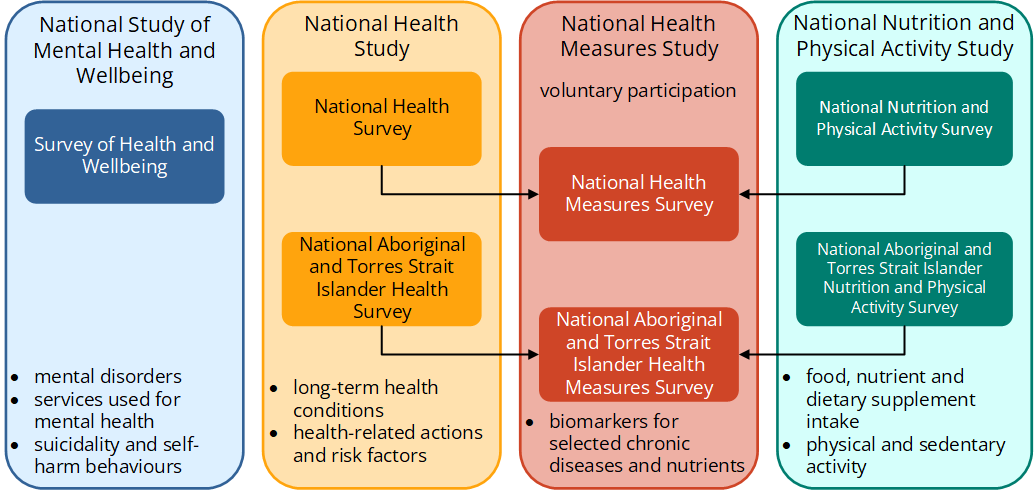
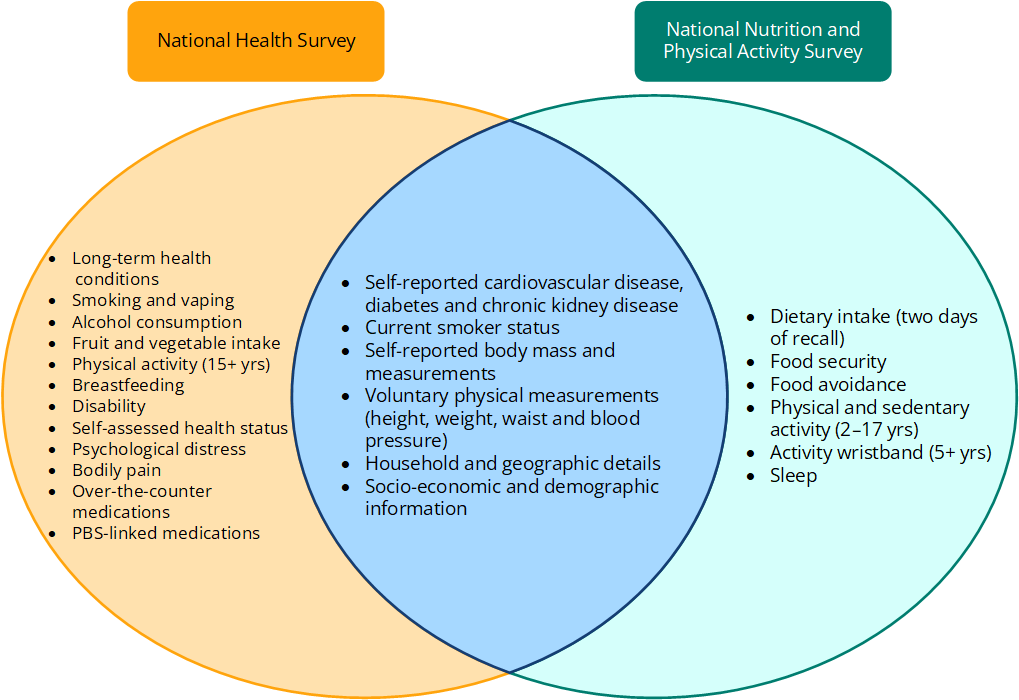
Diabetes biomarkers

Introduction

Diabetes mellitus, or diabetes, is a chronic condition where there is too much glucose in the blood (hyperglycaemia). Glucose is a simple sugar that provides energy for the body. Diabetes is caused by the body not making enough insulin or not effectively using the insulin that it makes to convert glucose to energy. In the short term, high levels of glucose in the blood make you feel tired; the kidneys work hard to pass some of the excess glucose out through the urine which may lead to dehydration and feeling thirsty. If undiagnosed or poorly managed, diabetes can damage blood vessels and nerves and cause long term health complications including heart, kidney, eye and foot damage (WHO 2019, 2023; Diabetes Australia n.d.). The World Health Organization (WHO) describes diabetes or hyperglycaemic disorders by type: Type 1 (insulin dependent), Type 2 (insulin resistant), hybrid diabetes, unclassified diabetes and gestational diabetes (WHO 2019).

The indicators of diabetes that were measured were:

  • fasting plasma glucose (FPG)
  • glycated haemoglobin (HbA1c).

Self-reported data on diabetes was also collected in other components of the IHMHS. The biomedical results can be used together with the self-reported data to determine diabetes status and estimate disease prevalence rates.

Laboratory test information, including analysis methods and machines used to measure diabetes biomarkers, is available from the Downloads page.

Comparison to other diabetes biomarker data

This is the second time the ABS has collected information on fasting plasma glucose and HbA1c. Information on these biomedical indicators was previously collected in the NHMS 2011–12 and the NATSIHMS 2012–13. For information on time series comparability, see Comparing biomedical collections over time.

FPG, diabetes status and HbA1c data has been collected in other non-ABS surveys. However, caution must be taken when interpreting results due to the differences in scope, definitions, assay and the instrument used, and any thresholds applied in the final analysis.

Fasting plasma glucose (FPG)

Definition

An FPG test measures how much glucose is in the bloodstream at a certain time of day after not eating for eight hours. Plasma glucose is converted into energy in the body by a hormone called insulin. However, people with diabetes do not produce sufficient insulin or do not use the insulin produced effectively to convert plasma glucose into energy. This means that a person with high levels of fasting plasma glucose likely has diabetes (Diabetes Australia n.d.; WHO 2023).

Methodology

FPG results were obtained for persons aged 12 years and over who provided a blood sample and who had fasted for 8 hours or more prior to their blood test.

FPG levels were measured at the Douglass Hanly Moir Pathology (DHM) laboratory using the Hexokinase/G-6-PDH method, using EDTA tubes for blood collection. The FPG test measures the amount of glucose (sugar) circulating in the blood at the time of the test and is expressed as mmol/L.

Cut-off reference values for normal and abnormal results were sourced from WHO guidelines. These guidelines are based on epidemiological data and publications of major clinical trials (WHO 2006, 2019). The cut-off reference values are:

  • has diabetes ≥7.0 mmol/L
  • at high risk of diabetes 6.1–<7.0 mmol/L
  • no diabetes <6.1 mmol/L.

Interpretation

Points to be considered when interpreting data for this topic include the following:

  • FPG results do not confirm a specific diagnosis without consultation with a health professional.
  • FPG results on their own do not satisfy the definition of diabetes prevalence in the IHMHS. For more information, refer to Diabetes prevalence.
  • FPG results cannot distinguish between Type 1 and Type 2 diabetes.
  • Impaired glucose tolerance (IGT) and impaired fasting glycaemia (IFG) are intermediate conditions in the transition between normality and diabetes. People with IGT or IFG are at high risk of progressing to Type 2 diabetes, although this is not inevitable.
  • Other studies have reported fasting plasma glucose test results using the Oral Glucose Tolerance Test (OGTT). For individuals, the OGTT may be used to confirm diagnosis of diabetes.
  • There are several different test methods for measuring FPG, which may produce different results. The data from this topic should therefore be used with caution when comparing fasting plasma glucose results from other studies using a different test method or equation.

Glycated haemoglobin (HbA1c)

Definition

HbA1c is haemoglobin that is bound to a glucose particle in the blood and is a measure of a person’s average blood glucose over the last two to three months. A test result for HbA1c does not indicate blood glucose levels at any one point. An HbA1c test is used to measure the level of control of diabetes in individuals or a population and may also be used to confirm a person has diabetes.

To confirm a diagnosis in asymptomatic individuals, an abnormal HbA1c result should be followed up with repeat testing on a subsequent day, unless two abnormal tests, such as FPG or an OGTT, are already available (WHO 2019; RACGP 2024). HbA1c may lack accuracy in certain cases, where FPG or OGTT can assist diagnosis (RACGP 2024).

Methodology

HbA1c results were obtained for persons aged 12 years and over who provided a blood sample. Fasting was not required for this test.

HbA1c levels were measured at the DHM laboratory using the Sebia Capillary Electrophoresis method. The HbA1c test measures the average blood glucose over the life of a red blood cell. Results are reported as a percentage by the laboratory, and following conversion are expressed as mmol/mol haemoglobin.

Cut-off reference values for HbA1c were taken from WHO Guidelines and are based on epidemiological data and publications of major clinical trials (WHO 2011, 2019). The cut-offs are also referenced in the Australian Evidence-Based Clinical Guidelines for Diabetes (Australian Diabetes Society 2015).

Cut-offs for HbA1c
HbA1c statusHbA1c (%)HbA1c (mmol/mol haemoglobin)
Has diabetes≥6.5≥48
At high risk of diabetes6.0–<6.542–<48
No diabetes<6.0<42

HbA1c units of measurement were reported using both the National Glycohemoglobin Standardization Program (NGSP) units (percentage) and the Système International (SI) units (mmol/mol haemoglobin) as recommended by the International HbA1c Consensus Committee (Hanas et al. 2010).

The equation below was used to convert HbA1c results between the two units, as recommended by the International HbA1c Consensus Committee (Hanas et al. 2010; Jones et al. 2011; Australian Diabetes Society 2015):  

\(HbA1c\ (mmol/mol) = 10.93\times HbA1c\ (\%) -23.50\)

In previous ABS biomedical collections, the following equation was used to convert the HbA1c units of measurement reported as a percentage to mmol/mol haemoglobin:

\(HbA1c\ (mmol/mol) = 20 + 11(HbA1c\ (\%)-4)\)

The two equations yield the same answer when rounded to the nearest whole number.

Interpretation

Points to be considered when interpreting data for this topic include the following:

  • HbA1c test results do not confirm a specific diagnosis without consultation with a health professional.
  • HbA1c results on their own do not satisfy the definition of diabetes prevalence in the IHMHS. For more information, refer to Diabetes prevalence.
  • HbA1c results cannot distinguish between Type 1 and Type 2 diabetes.
  • Where HbA1c levels indicate a person is at risk of diabetes, prevention interventions might be considered such as lifestyle modifications to achieve HbA1c targets.
  • Cut-off reference ranges are based on measuring chronic glycemia periodically as this test may be repeated every 3 or 6 months depending on HbA1c levels and upon consultation with a health professional.
  • HbA1c levels are affected by conditions that affect red blood cell survival time or non-enzymatic glycation of haemoglobin (WHO 2011).
  • There are several different test methods for measuring HbA1c, which may produce different results. The data from this topic should therefore be used with caution when comparing HbA1c results from other studies using a different test method or equation to convert units of measurement.

Diabetes prevalence

Definition

Diabetes prevalence was derived from IHMHS data using a combination of blood test results and self-reported information on diabetes diagnosis and medication use. Using self-reported information can differentiate between respondents with known diabetes, and those without a prior diagnosis (newly diagnosed diabetes). Three data items are available to users for assessing diabetes status based on different definitions: one for FPG as used in the NHMS 2011–13; one for HbA1c as defined in the 2019 WHO guidelines; and one combining the two test results.

Self-reported diabetes refers to people who reported having ever been told by a doctor or nurse that they had diabetes (including Type 1, Type 2, and type not known) and excludes gestational diabetes. For more information on self-reported diabetes, see the National Health Measures Survey methodology, 2022–24 and National Aboriginal and Torres Strait Islander Health Measures Survey methodology, 2022–24.

The total number of persons with diabetes is defined as the number of persons with known diabetes and newly diagnosed diabetes. Respondents without diabetes were separated into those at high risk of developing diabetes and those with no diabetes. Diabetes status definitions are outlined in the table below.

Diabetes status definitions
Diabetes statusDefinition
Has diabetesKnown diabetes(a)

A person was considered to have known diabetes if they had ever been told by a doctor or nurse that they have diabetes and:

  • they were taking diabetes medication (either insulin or tablets); or
  • their blood test result was greater than or equal to the cut-off for diabetes (≥7.0 mmol/L for FPG, ≥6.5% for Hba1c).
Newly diagnosed diabetesA person was considered to have newly diagnosed diabetes if they reported no prior diagnosis of diabetes but had a blood test result greater than or equal to the cut-off for diabetes (≥7.0 mmol/L for FPG, ≥6.5% HbA1c).
Does not have diabetesAt high risk of diabetesA person was considered at high risk of diabetes if they did not currently have known or newly diagnosed diabetes, but had a blood test result just below the cut-off for diabetes (from 6.1 mmol/L to <7.0 mmol/L for FPG, from 6.1% to <6.5% for HbA1c).
No diabetes

A person was considered to not have diabetes if they had a test result below the cut-off for diabetes (6.0 mmol/L for FPG, 6.0% for HbA1c) and:

  • had no prior diagnosis of diabetes; or
  • had been told by a doctor or nurse that they had diabetes, but reported they were not taking medication.

a. People who self-reported a diagnosis of diabetes, but reported they were not taking medication and had a test result below the diabetes cut-off were categorised as not having diabetes. These people may be managing the condition with diet and lifestyle interventions.

Methodology

In the NHMS 2011–12 and the NATSIHMS 2012–13, only FPG results were used to determine ‘known’ or ‘newly diagnosed’ diabetes for the purpose of defining and reporting diabetes status. HbA1c was measured and primarily used as an indicator of the success or otherwise of diabetes management over a 3-month period (WHO 2011). Since then, it has been recognised that HbA1c results may be used to diagnose diabetes (WHO 2019; D’Emden et al. 2012; Australian Diabetes Society 2015).

For 2022–24, the ABS has released three different measures of diabetes status, this enables users to utilise which measure best fits their analysis. Caution must be taken to select the appropriate results when comparing the surveys over time.

Diabetes status data items
Data ItemMethodology
Diabetes status (FPG)Calculated using FPG results to determine known or newly diagnosed diabetes.
Diabetes status (HbA1C)Calculated using HbA1C results to determine known or newly diagnosed diabetes.
Diabetes status (combined)Calculated using either FPG or HbA1C results to determine known or newly diagnosed diabetes.

Cut-offs for individual FPG and HbA1c data items are described in previous sections. Cut-offs for the combined item are shown in the table below.

Combined FPG and HbA1c status
 HbA1c (%)
FPG (mmol/L)≥6.56.0–<6.5<6.0
≥7.0Has diabetesHas diabetesHas diabetes
6.1–<7.0Has diabetesAt high riskAt high risk
<6.1Has diabetesAt high riskNo diabetes
Did not fast(a)Has diabetesUnable to determineUnable to determine

a. FPG was not calculated those who did not provide a fasting blood sample. As a result, if a person had a normal HbA1C result (<6.5%) then their combined FPG and HbA1c status is unable to be determined.

The flowchart below illustrates the determination of diabetes status using test results, self-reported diabetes diagnosis, and medication use.

Determination of diabetes status flowchart

Determination of diabetes status flowchart

A respondent has diabetes if they have either known diabetes or newly diagnosed diabetes. A respondent has known diabetes if they self-reported a diabetes diagnosis and self-reported taking medications to treat diabetes or if they self-reported a diabetes diagnosis and had a blood test result indicating diabetes. A respondent had newly diagnosed diabetes if the did not self-report a diabetes diagnosis and had a blood test result indicating diabetes. 

A respondent does not have diabetes if they are at high risk of diabetes or have no indicators of diabetes. A respondent was at high risk of diabetes if they did not self-report a diabetes diagnosis and had a blood test indicating a high risk of developing diabetes or the self-reported a diabetes diagnosis, did not self-report taking medications for diabetes and had a blood test result indicating a high risk of developing diabetes. A respondent does not have diabetes is they had normal blood test results and did not self-report a diabetes diagnosis or they self-report a diabetes diagnosis, did not self-report taking medications for diabetes and had a blood test result indicating normal levels.

Diabetes management

Definition

In the IHMHS, information is available on diabetes management for those with known diabetes (determined from self-reported diabetes and medication, fasting plasma glucose and/or HbA1c results).

Methodology

HbA1c is the primary measure of how well a person is managing their diabetes. However, there are also other goals for optimum diabetes Type 2 management. The Royal Australian College of General Practitioners (RACGP) lists a number of goals for people with diabetes (RACGP 2024).

Goals for optimum diabetes management for individuals
GoalAdvice
DietAdvise individual dietary review.
Body Mass Index (kg/m^2)Advise a goal of 5–10% weight loss for people who are overweight or obese with Type 2 diabetes.
Physical activity

Children and adolescents: Aim for at least 60 min/day of moderate to vigorous physical activity, plus muscle- and bone-strengthening activities at least three days per week.

Adults: Aim for 150 minutes of aerobic activity, plus two to three sessions of resistance exercise (to a total of ≥60 minutes), per week.

Cigarette consumptionZero per day.
Alcohol consumptionNo more than 10 standard drinks per week, and no more than four standard drinks on any one day.
FPG level

Advise 4–7 mmol/L fasting and 5–10 mmol/L postprandial blood glucose levels.

Ongoing self-monitoring of blood glucose is recommended for people with diabetes using insulin, or sulphonylureas. Self-monitoring is also recommended for people with hyperglycaemia arising from intercurrent illness.

Routine self-monitoring of blood glucose in patients who are not on insulin should be individualised, depending on the medication they are taking.

HbA1c level

Needs individualisation according to patient circumstances. 

Generally, ≤53 mmol/mol (48–58 mmol/mol) or ≤7% (6.5–7.5%).

Lipids
  • Total cholesterol <4.0 mmol/L
  • High-density lipoprotein (HDL) ≥1.0 mmol/L
  • Low-density lipoprotein <2.0 mmol/L
  • Non-HDL cholesterol <2.5 mmol/L(a)
  • Triglycerides <2.0 mmol/L 

Initiation of pharmacotherapy is dependent on the assessment of absolute cardiovascular disease risk. This requires using multiple risk factors, which is considered more accurate than the use of individual parameters.

Once therapy is initiated, the specified targets apply; however, these targets should be used as a guide to treatment and not as a mandatory target.

Blood pressure 

≤140/90 mmHg for general population.

<130/80 mmHg for people with diabetes and chronic kidney disease.

Treatment targets should be individualised. Lower blood pressure targets may be considered for younger people and for secondary prevention in those at high risk of stroke, if treatment burden does not increase risk.

Urine albumin excretion

Urine albumin/creatinine ratio: 

  • women <3.5 mg/mmol
  • men <2.5 mg/mmol
  • timed overnight collection <20 µg/min(a)
  • spot urine collection <20 mg/L
Vaccination(a)

Recommended:

  • influenza
  • pneumococcal disease
  • diphtheria-tetanus-acellular pertussis vaccine
  • COVID-19

Consider:

  • RSV (for people aged over 60)
  • hepatitis B (if travelling)
  • herpes zoster

a. Data not collected in the IHMHS

Source: Adapted from RACGP (2024)

Goals for optimum diabetes management for individuals are also provided in the 2020 Australian Evidence-Based Clinical Guidelines for Diabetes (Living Evidence for Diabetes Consortium 2020).
The AUSDRISK Score tool developed in 2010 by the Baker Heart and Diabetes Research Institute on behalf of Australian, State and Territory governments predicts the likelihood of a person having Type 2 diabetes (Department of Health 2010). The information required to complete the tool to derive a score to determine the level of risk of Type 2 diabetes includes:

  • age
  • sex
  • ethnicity
  • country of birth
  • family history of diabetes (Type 1 or 2)
  • diagnosis of high blood glucose, any occasion
  • currently taking medication for blood pressure
  • smoker status (cigarettes and/or other tobacco products)
  • frequency of eating vegetables and fruit (every day/not every day)
  • amount of physical activity per week (2.5 hours a week/less than 2.5 hours)
  • waist measurement.

References

Australian Diabetes Society (2015, updated 2023), Guidance concerning the use of glycated haemoglobin for the diagnosis of diabetes mellitus, Australian Diabetes Society, accessed 20/02/2025.

Burrow S, Ride K (2016), Review of diabetes among Aboriginal and Torres Strait Islander people, Australian Indigenous HealthInfoNet, accessed 20/02/2025.

Diabetes Australia (n.d.), What is Diabetes, Diabetes Australia website, accessed 20/02/2025.

Department of Health (2010), The Australian type 2 diabetes risk assessment tool (AUSDRISK), Department of Health and Aged Care, accessed 20/02/2025.

d’Emden MC, Shaw JE, Colman PG, Colagiuri S, Twigg SM, Jones GRD, Goodall I, Schneider HG and Cheung NW (2012), The role of HbA1c in the diagnosis of diabetes mellitus in Australia, Medical Journal of Australia, 197(4): 220-221, accessed 20/02/2025.

Hanas R, John G; International HbA1c Consensus Committee (2010), 2010 Consensus Statement on the Worldwide Standardization of the Hemoglobin A1C Measurement, Diabetes Care, 33(8):1903-1904, accessed 20/02/2025.

Jones GR, Barker G, Goodall I, Schneider HG, Shephard MD, Twigg SM (2011), Change of HbA1c reporting to the new SI units, Medical Journal of Australia, 195(1):45–46, accessed 20/02/2025.

Living Evidence for Diabetes Consortium (2020), Australian Evidence-Based Clinical Guidelines for Diabetes, Australian Diabetes Society, accessed 20/02/2025.

Royal Australian College of General Practitioners (RACGP) (2024), Management of type 2 diabetes: A handbook for general practice, RACGP, accessed 20/02/2025.

World Health Organization (WHO) (2006), Definition and diagnosis of diabetes mellitus and intermediate hyperglycaemia, WHO, accessed 20/02/2025.

World Health Organization (WHO) (2011), Use of Glycated Haemoglobin (HbA1c) in the Diagnosis of Diabetes Mellitus, WHO, accessed 20/02/2025.

World Health Organization (WHO) (2019), Classification of diabetes mellitus, WHO, accessed 20/02/2025.

World Health Organization (WHO) (2023), Diabetes, WHO website, accessed 20/02/2025.

Liver function biomarkers

Introduction

The liver is an essential organ and regulates most chemical levels in the body. It has many functions, including removing toxins from the blood, processing nutrients, and regulating hormones (Liver Foundation 2022a).

A range of factors, including fatty liver disease (where fat accumulates in the liver), infections (hepatitis), liver cancer and excessive alcohol consumption can prevent the liver from performing these functions well and if left untreated, can lead to liver damage. When the liver is inflamed or damaged, enzymes leak from the liver cells into the bloodstream. These enzymes are also found in other organs, such as the heart and muscles, so high levels may not always be due to a liver problem (Liver Foundation 2022b).

The indicators of liver function that were measured were:

  • alanine aminotransferase (ALT)
  • gamma glutamyl transferase (GGT).

The IHMHS provides an objective measurement of the number of people in Australia with elevated ALT and GGT levels. While these tests cannot diagnose the presence of liver disease, elevated levels for either test may indicate impaired liver function (Coates 2011; Liver Foundation 2022b).

Laboratory test information, including analysis methods and machines used to measure liver function biomarkers, is available from the Downloads page.

Comparison to other liver function biomarker data

This is the second time the ABS has collected information on ALT and GGT levels. Information on these biomedical indicators was previously collected in the NHMS 2011–12 and the NATSIHMS 2012–13. For information on time series comparability, see Comparing biomedical collections over time.

ALT and GGT data has been collected in other non-ABS surveys. However, caution must be taken when interpreting results due to the differences in scope, assay and the instrument used, and any thresholds applied in the final analysis.

Alanine aminotransferase (ALT)

Definition

ALT is an enzyme that is mainly found in your liver, but smaller amounts are found in your muscles, kidneys and other organs. Elevated levels of ALT are associated with liver damage and indicate a degree of liver inflammation (RCPA 2023).

Methodology

ALT results were obtained for persons aged 12 years and over who provided a blood sample. Fasting was not required for this test.

ALT levels were measured at the Douglass Hanly Moir Pathology (DHM) laboratory by an Activated ALT assay. The ALT test measures the amount of ALT circulating in the blood at the time of the test, expressed as units per litre (U/L).

There is no consensus on the cut-off reference values for defining abnormal ALT levels for the Australian population, as there are currently several different methods that can be used to measure ALT. As such, cut-off reference values for normal and abnormal results were sourced from DHM laboratory reference ranges, taking the upper level of the normal range as the cut-off point.

Cut-offs for ALT
ALT statusCut-offs (U/L)
MalesFemales
Normal5–≤405–≤30
Abnormal>40>30

The Royal College of Pathologists Australia (RCPA) uses a different reporting level for abnormal ALT. For adult females, the cut-off is >35 U/L. The cut-off for males is similar to above (>40 U/L) (RCPA 2024a).

Interpretation

Points to be considered when interpreting data for this topic include the following:

  • ALT results do not confirm a specific diagnosis without consultation with a health professional.
  • There are several different test methods for measuring ALT which may produce different results. The data from this topic should therefore be used with caution when comparing ALT results from other studies using a different test method.
  • Liver disease is associated with many health concerns and elevated ALT levels are not only associated with liver damage, but also with Type 2 diabetes mellitus, cardiovascular disease, stroke and metabolic syndrome (Coates 2011).

Gamma-glutamyl transferase (GGT)

Definition

Gamma-glutamyl transferase (GGT) is a common enzyme found in many of the body’s tissues and organs, primarily in the liver. GGT is located on the plasma membranes of most cells and organ tissues, but more commonly in hepatocytes, and is routinely used in clinical practice to help indicate liver injury and as a marker of excessive alcohol consumption. GGT is considered one of the more sensitive indicators of liver function and elevated levels indicate poor liver function (Kunotsor 2016; Coates 2011; Liver Foundation 2022b).

Methodology

GGT results were obtained for persons aged 12 years and over who provided a blood sample. Fasting was not required for this test.

GGT levels were measured at the DHM laboratory by the Szasz l-gamma-glutamly-3-carboxyl-4-nitroanilide method. The GGT test measures the amount of GGT circulating in the blood at the time of the test, expressed as units per litre (U/L).

There is no consensus on the cut-off reference values for defining abnormal GGT levels for the Australian population, as there are currently several different methods that can be used to measure GGT. Reference values for normal and abnormal results were sourced from DHM laboratory reference ranges, taking the upper level of the normal range as the cut-off point.

Cut-offs for GGT
GGT statusMales (U/L)Females (U/L)
12–14 years15–17 years 18 years and over12–14 years15 years and over
Normal5–≤305–≤405–≤505–≤305–≤35
Abnormal>30>40>50>30>35

For adults, the RCPA has a reporting level for GGT for abnormal levels for females of >35 U/L and for males of >50 U/L; the normal ranges of 5–35 U/L for females and 5–50 U/L for males are known as harmonised reference intervals, intended for use by all pathology laboratories in Australia (RCPA 2024b).

Interpretation

Points to be considered when interpreting data for this topic include the following:

  • GGT results do not confirm a specific diagnosis without consultation with a health professional.
  • There are several different test methods for measuring GGT, which may produce different results. The data from this topic should therefore be used with caution when comparing GGT results from other studies using a different test method.
  • Liver disease is associated with many health concerns and elevated GGT levels are not only associated with liver damage, but also with Type 2 diabetes mellitus, cardiovascular disease, chronic alcohol abuse and pancreatic cancer (Coates 2011; Kunutsor 2016).

References

Coates P (2011), Liver function tests, Australian Journal for General Practitioners, 40(3):113-115, accessed 20/02/2025.

Kunutsor SK (2016), Gamma-glutamyltransferase – friend or foe within?, Liver International, 36(12):1723-1734, accessed 20/02/2025.

Liver Foundation (2022a), ‘About the liver’, Your Liver website (Liver Foundation), accessed 20/02/2025.

Liver Foundation (2022b), ‘Liver Tests Explained’, Your Liver website (Liver Foundation), accessed 20/02/2025.

Pathology Tests Explained (2023), Alanine Aminotransferase (ALT), Pathology Tests Explained website, accessed 20/02/2025.

Royal College of Pathologists of Australasia (RCPA) (2024a), ’Alanine Aminotransferase‘, RCPA Manual, RCPA website, accessed 20/02/2025.
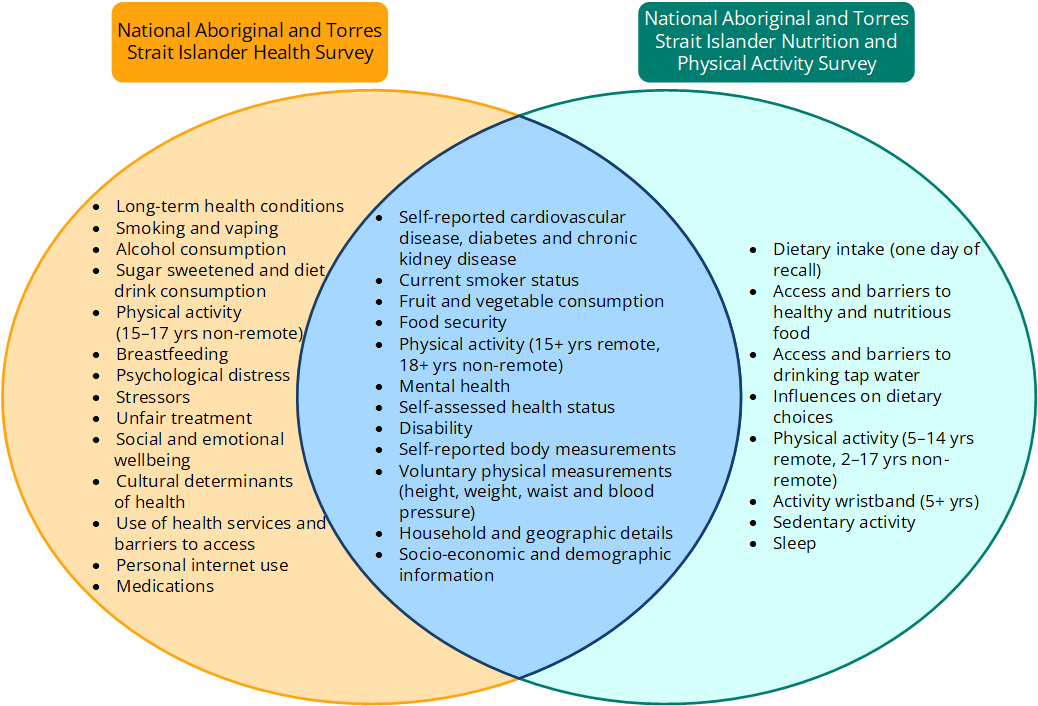
Royal College of Pathologists of Australasia (RCPA) (2024b), ‘Gamma Glutamyltransferase’, RCPA Manual, RCPA website, accessed 20/02/2025.
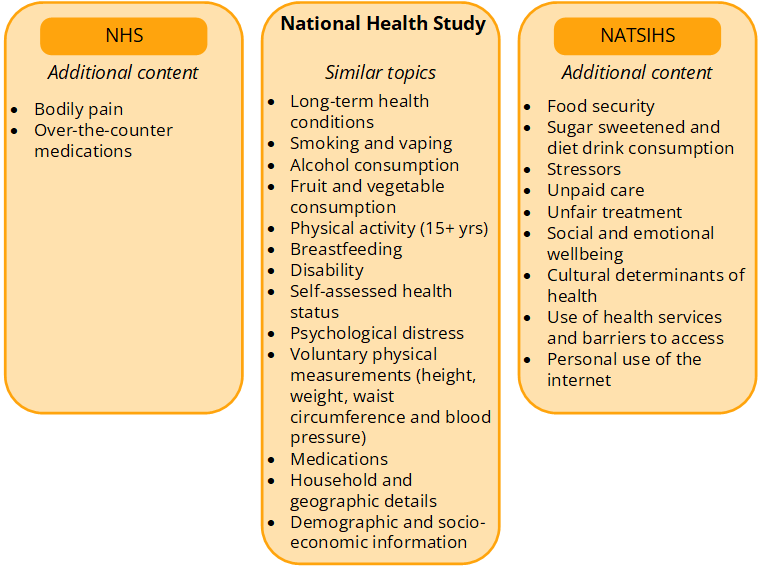
Folate and vitamin B12

Introduction

Vitamin B9 (folate) and vitamin B12 are two essential nutrients with important functions in the body. Folate is essential for the formation of DNA, and without it, cells cannot divide. The need for folate is higher when the body is making new cells, such as during pregnancy (NHMRC 2013a). Vitamin B12 is an essential nutrient that is needed for making red blood cells, the production of DNA and maintenance of the nervous system. Vitamin B12 is important for folate status, as low levels of vitamin B12 can interfere with the body's ability to use folate (Gibson 2005; WHO 2008).

Laboratory test information, including analysis methods and machines used to measure folate and vitamin B12 biomarkers, is available from the Downloads page.

Comparison to other folate and vitamin B12 biomarker data

This is the second time the ABS has collected information on serum folate and vitamin B12. Both were previously collected in the NHMS 2011–12 and the NATSIHMS 2012–13. For information on time series comparability, see Comparing biomedical collections over time.

Red cell folate (RCF) was measured in the NHMS 2011–12 and the NATSIHMS 2012–13, but not in 2022–24. The RCF assay used previously has been evaluated since that time and was considered by researchers to have overestimated folate status in the Australian population compared to other accepted methods of analysis (Hunt et al. 2020). Some of the factors that assist in interpreting RCF data were not collected in 2022–24, for example pregnancy and oral contraceptive use (Gibson 2005; WHO 2015b).

Serum folate and vitamin B12 data has been collected in other non-ABS surveys. However, caution must be taken when interpreting results due to the differences in scope, assay and the instrument used, and any thresholds applied in the final analysis.

Folate

Definition

Folate is a B group vitamin (B9) that the body uses to make DNA and other genetic material. It is essential for healthy growth and development, particularly for the foetus in the first 3 months of pregnancy (McNulty 2024; WHO 2015a). Folate cannot be made by the body and is found naturally in food, such as green leafy vegetables, fruits and grains. The term ‘folate’ can also be used to refer to folic acid, which is the synthetic form of folate added to food or used in dietary supplements (Gibson 2005).

Folate deficiency can lead to macrocytic anaemia. Macrocytic anaemia is a type of anaemia where the body produces red blood cells that are larger than normal. Symptoms include fatigue, irritability, weakness, and palpitations (Gibson 2005).

Recent intake of dietary folate can be determined by measuring serum folate in a blood sample. Serum folate levels are low in folate deficiency related anaemia. The World Health Organization (WHO) also recommends serum folate testing for folate status monitoring (WHO 2008, 2015a, 2015b). In Australia, the national monitoring of folate status program mandated the addition of folic acid to all non-organic bread making wheat flour in 2009. Biomedical measurements of folate status forms part of this monitoring program (AIHW 2011a, 2011b, 2016).

As folate is known to play an important role in pregnancy, folic acid supplementation before conception and in early pregnancy is recommended worldwide and has been shown to protect against the occurrence of neural tube defects in babies, such as spina bifida (WHO 2015a).

There are two main measures of folate in the blood; recent folate intakes can be assessed by measuring serum folate levels, and long-term folate stores by measuring red blood cell folate levels (WHO 2008, 2015b).

The measurement of RCF, also known as erythrocyte folate, is a good indicator of longer-term folate stores in the body. In women of childbearing age, there is clear evidence associated with specific levels of RCF in the blood and protection against neural tube defects, such as spina bifida in a developing foetus (Gibson 2005; WHO 2015a).

The measurement of RCF is less sensitive than serum folate to dietary folate intakes. This is due to the life span (120 days) of the red blood cell and other factors that affect the levels of RCF in the body including age, pregnancy, smoking, oral contraceptive use and vitamin B12 deficiency (WHO 2015a, 2015b).

The 2013 National Health and Medical Research Council (NHMRC) Nutrient Reference Values for Australia and New Zealand includes dietary intake requirements for folate, expressed as dietary folate equivalents (NHMRC 2013a).

Methodology

Serum folate results were obtained for persons aged 12 years and over who provided a blood sample. Fasting was not required for this test.

Serum folate levels were measured at the Douglass Hanly Moir Pathology (DHM) laboratory by the competitive electro-chemiluminescence binding assay method (RCPA 2023a). The serum folate test measures the amount of folate circulating in the blood at the time of the test, expressed as nmol/L.

The reporting level for individuals for a serum folate value in the normal range from the laboratory test used was >7 nmol/L.

In 2012, WHO recommended that folate deficiency should be defined as serum folate concentrations of <10 nmol/L in population-based studies, which was supported in a 2015 update on folate.  This value is based on the point at which homocysteine concentrations begin to increase (WHO, 2015a, 2015b). High levels of circulating homocysteine are considered a functional indicator of folate deficiency and results from the inability of folate to donate the methyl group necessary to convert homocysteine to methionine (WHO 2015b). 

Interpretation

Points to be considered when interpreting data for this topic include the following:

  • Serum folate results do not confirm a specific diagnosis of deficiency without consultation with a health professional.
  • There are several different test methods to measure serum folate levels and each test method may produce different results. The data from this topic should therefore be used with caution when comparing serum folate results from other studies using a different test method.
     

Vitamin B12

Definition

Vitamin B12 is required for the synthesis of fatty acids in myelin and, in conjunction with folate, in DNA synthesis, red blood cell formation, brain function and when breaking down fatty and amino acids (NHMRC 2013b).

Adequate intake of vitamin B12 is essential for normal blood and neurological function. If left untreated, vitamin B12 deficiency can lead to anaemia, as well as nerve and brain damage. Vitamin B12 deficient anaemia has the same symptoms as folate deficient anaemia, as a result it cannot be diagnosed without a biomarker test (NHMRC 2013b).

Vitamin B12 is found in the fat of foods derived from animal products and deficiency may occur in people who avoid consuming these foods. Vitamin B12 deficiency may also occur due to malabsorption of the vitamin, more likely found in the elderly due to physiological changes associated with ageing.

The 2013 NHMRC Nutrient Reference Values for Australia and New Zealand includes dietary intake requirements for vitamin B12 (NHMRC 2013b). Inadequate intake of folate and vitamin B12 leads to low serum or plasma concentrations of both vitamins, and elevated plasma homocysteine. Low levels of vitamin B12 can indicate a deficiency, however further tests need to be conducted to determine the level of deficiency.

Methodology

Vitamin B12 results were obtained for persons aged 12 years and over who provided a blood sample. Fasting was not required for this test.

Vitamin B12 levels were measured at the DHM laboratory by the competitive electro-chemiluminescence immunoassay (ECLIA) method (RCPA, 2023b). The vitamin B12 test measures the amount of vitamin B12 circulating in the blood at the time of the test, expressed as pmol/L.

There is no consensus on the epidemiological cut-off reference values for measuring serum vitamin B12 in the blood, as it depends on the assay used.

The reporting level for individuals for a serum vitamin B12 value in the normal range from the laboratory test used was >145 pmol/L.

A WHO consultation in 2008 proposed a vitamin B12 cut-off for deficiency of <150 pmol/L (plasma) for population studies (WHO 2008). This reporting level has also been referenced elsewhere and can be applied to serum or plasma vitamin B12 measurements (NIH 2024).

Interpretation

Points to be considered when interpreting data for this topic include the following:

  • Vitamin B12 results do not confirm a specific diagnosis of deficiency without consultation with a health professional.
  • There are several different test methods to measure vitamin B12 levels and each test method may produce different results. The data from this topic should therefore be used with caution when comparing vitamin B12 results from other studies using a different test method.
  • Biomedical monitoring data on vitamin B12 status assists the monitoring of folate status program, as high folate intakes (>1000 µg/day) may mask B12 anaemia and delay the correct diagnosis of vitamin B12 deficiency in older people (WHO 2008).

References

Australian Institute of Health and Welfare (AIHW) (2011a), Mandatory folic acid and iodine fortification in Australia and New Zealand: baseline report for monitoring, AIHW, Australian Government, accessed 20/02/2025.

Australian Institute of Health and Welfare (AIHW) (2011b), Mandatory folic acid and iodine fortification in Australia and New Zealand: supplement to the baseline report for monitoring, AIHW, Australian Government, accessed 20/02/2025.

Australian Institute of Health and Welfare (AIHW) (2016), Monitoring the health impacts of mandatory folic acid and iodine fortification 2016, AIHW, Australian Government, accessed 20/02/2025.

Gibson RS (2005), Assessment of folate and Vitamin B12 status, Principles of Nutritional Assessment, 2nd ed, Oxford University Press.

Hunt SE, Netting MJ, Sullivan TR, Best KP, Houghton LA, Makrides M, Muhlhausler BM, Green TJ (2020), Red Blood Cell Folate Likely Overestimated in Australian National Survey: Implications for Neural Tube Defect Risk, Nutrients, 12(5):1283, accessed 20/02/2025.

McNulty H (2024), ‘Folate’, Principles of nutritional assessment: 3rd Edition, Nutritional Assessment website, accessed 20/02/2025.

National Health and Medical Research Council (NHMRC) (2013b), ‘Vitamin B12’, Nutrient Reference Values for Australia and New Zealand, Eat For Health website, accessed 19/07/2023.

National Health and Medical Research Council (NHMRC) (2013a), ‘Folate’, Nutrient Reference Values for Australia and New Zealand, Eat For Health website, accessed 19/07/2023.

National Institutes of Health Office of Dietary Supplements (NIH) (2024), Vitamin B12, NIH website, accessed 20/02/2025.

Royal College of Pathologists of Australasia (RCPA) (2023a), ‘Folate’, RCPA Manual, RCPA website, accessed 19/07/2023.

Royal College of Pathologists of Australasia (RCPA) (2023b), ‘Vitamin B12’, RCPA Manual, RCPA website, accessed 19/07/2023.

World Health Organization (WHO) (2008), Conclusions of a WHO technical consultation on folate and vitamin B12 deficiencies, Food and Nutrition Bulletin, 29(2 Suppl.):S238-S244, accessed 20/02/2025.

World Health Organization (WHO) (2015a), Guideline: Optimal serum and red blood cell folate concentrations in women of reproductive age for prevention of neural tube defects, WHO, accessed 20/02/2025.

World Health Organization (WHO) (2015b), Serum and red blood cell folate concentrations for assessing folate status in populations, WHO, accessed 20/02/2025.

Iodine

Definition

Iodine was one of the first trace elements to be identified as essential. It is an essential part of thyroid hormones that regulate normal growth and metabolism. Iodine plays a role in physical and mental development and adequate iodine intakes are important for young children and women of child-bearing age (Gibson 2005; WHO/UNICEF/ICCIDD 2007; WHO 2013; NHMRC 2013).

Iodine deficiency can lead to a range of conditions, including goitres, hypothyroidism, impaired development and in pregnant women, major impacts on foetal development (WHO/UNICEF/ICCIDD 2007; NHMRC 2013).

In Australia, legislation mandating the use of iodised salt in bread manufacturing (excluding organic bread) was introduced in 2009. Biomedical measurement of iodine levels in the population were used to monitor and report on the effectiveness of this standard (AIHW 2011a, b, 2016). The World Health Organization (WHO) recommends monitoring iodine status over time and, if necessary, adjusting the concentration of iodine in salt available for sale, particularly in countries that have strategies to reduce the sodium/salt content of the food supply (WHO 2022).

Laboratory test information, including analysis methods and machines used to measure iodine, is available from the Downloads page.

Methodology

To enable population-level analysis, iodine tests were conducted on urine samples from persons aged 5 years and over. Fasting was not required for this test.

Iodine levels were measured at the Sullivan Nicolaides Pathology laboratory by the Inductively Coupled Plasma-Mass Spectrometry (ICP-MS) method. The iodine test measures the concentration of iodine in the urine that has been excreted from the body, at the time of the test (spot sample), expressed as μg/L. Spot urine samples are not a sufficient measure for individual status; however, these results can be used to assess the population iodine status (Gibson 2005; WHO/UNICEF/ ICCIDD 2007; WHO 2013).

Prior to use of the ICP-MS method, most studies used methods of analysis based on the manual spectrophotometric measurement of the Sandell–Kolthoff reduction reaction catalysed by iodine using different oxidising reagents in the initial digestion step (Jooste and Strydom 2010). The WHO and the International Council for Control of Iodine Deficiency Disorders (ICCIDD) determined a set of cut-offs for median urinary iodine concentration (UIC) using these methods to define if a population was iodine deficient (WHO/UNICEF/ICCIDD 2007; WHO 2013), outlined in the table below.

No cut-offs have been developed specifically for the new ICP-MS method. However, research studies indicate that within ranges of UIC 0 – <600 μg/L, the results from the ICP-MS and methods using the Sandell–Kolthoff reaction are comparable (Caldwell et al. 2003; Li et al. 2021). Therefore, the WHO cut-offs for median UIC were applied to the ICP-MS results in the to determine iodine deficiency for the Australian population (RCPA 2023). 

Epidemiologic criteria for assessing iodine nutrition based on median UIC in different target groups
Target population groupMedian UIC (μg/L)Iodine intakeIodine status

School-age children (6 years or older)(a)


<20InsufficientSevere iodine deficiency
2049InsufficientModerate iodine deficiency
5099InsufficientMild iodine deficiency
100199AdequateAdequate iodine nutrition
200299Above requirementsMay pose a slight risk of more than adequate iodine intake in these populations
300Excessive(b)Risk of adverse health consequences (iodine-induced hyperthyroidism, autoimmune thyroid disease)
Pregnant women<150InsufficientAs above
150249Insufficient
250499Adequate
≥500Excessive(b)
Lactating women(c) and children <2 years old<100InsufficientAs above
≥100Adequate

a.  Applies to adults, but not to pregnant and lactating women.

b. The term “excessive” means in excess of the amount required to prevent and control iodine deficiency.

c. Although lactating women have the same requirement as pregnant women, the median urinary iodine is lower because iodine is excreted in breast milk.

Source: Adapted from WHO/UNICEF/ICCIDD (2007)

WHO considers a population iodine deficient if the median UIC is less than 100 μg/L (by definition, when the median is 100 μg/L, then 50% of the results will be lower than 100 μg/L). They also recommend that no more than 20% of the population have iodine concentrations below 50 μg/L (WHO/UNICEF/ICCIDD 2007; WHO 2013).

Interpretation

Points to be considered when interpreting data for this topic include the following:

  • UIC from a single spot sample is not a sufficient measure to assess an individual's iodine status, thus comparing the iodine data items to other items at the individual level should be done with caution.
  • UIC results do not confirm a specific diagnosis of deficiency without consultation with a health professional.
  • There are several different test methods to measure iodine levels and each test method may produce different results. The data from this topic should therefore be used with caution when comparing iodine results from other studies using a different test method.

Comparison to other iodine biomarker data

This is the second time the ABS has collected information on iodine levels. Iodine was previously collected in the NHMS 2011–12 and the NATSIHMS 2012–13. For information on time series comparability, see Comparing biomedical collections over time.

Iodine data has been collected in other non-ABS surveys. However, caution must be taken when interpreting results due to the differences in scope, assay and the instrument used, and any thresholds applied in the final analysis.

References

Australian Institute of Health and Welfare (AIHW) (2011a), Mandatory folic acid and iodine fortification in Australia and New Zealand: baseline report for monitoring, AIHW, Australian Government, accessed 20/02/2025.

Australian Institute of Health and Welfare (AIHW) (2011b), Mandatory folic acid and iodine fortification in Australia and New Zealand: supplement to the baseline report for monitoring, AIHW, Australian Government, accessed 20/02/2025.

Australian Institute of Health and Welfare (AIHW) (2016), Monitoring the health impacts of mandatory folic acid and iodine fortification 2016, AIHW, Australian Government, accessed 20/02/2025.

Caldwell KL, Brook Maxwell C, Makhmudov A, Pino S, Braverman LE, Jones RL, Hollowell JG (2003), Use of Inductively Coupled Plasma Mass Spectrometry to Measure Urinary Iodine in NHANES 2000: Comparison with Previous Method, Clinical Chemistry, 49(6):1019-1021, accessed 20/02/2025.

Gibson RS (2005), Principles of Nutritional Assessment, 2nd edn, Oxford University Press.

Jooste PL, Strydom E (2010), Methods for determination of iodine in urine and salt, Best practice and Research Clinical Endocrinology and Metabolism; 24(1):77-88, accessed 20/02/2025.

Li M, Eastman CJ, Waite KV, Ma G, Zacharin MR, Topliss DJ, Harding PE, Walsh JP, Ward LC, Mortimer RH, Mackenzie EJ, Byth K and Doyle Z (2006), Are Australian children iodine deficient? Results of the Australian National Iodine Nutrition Study, Medical Journal of Australia, 184(4):165-169, accessed 20/02/2025.

Li M, Ma G, Guttikonda K, Boyages SC, Waite K and CJ Eastman (2001), Re-emergence of iodine deficiency in Australia, Asia Pacific Journal of Clinical Nutrition, 10(3):200-203, accessed 20/02/2025.

Li Y, Ding S, Han C, Liu A, Shan Z, Ten W, Mao J (2021), Concentration-dependent Differences in Urinary Iodine Measurements Between Inductively Coupled Plasma Mass Spectrometry and the Sandell-Kolthoff Method, Biological Trace Element Research, 199:2489–2495, accessed 20/02/2025.

National Health and Medical Research Council (NHMRC) (2013), ‘Iodine’ Nutrient Reference Values for Australia and New Zealand, Eat for Health website, accessed 07/02/2024.

Royal College of Pathologists of Australasia (RCPA) (2023), ‘Iodine Urine’, RCPA Manual, RCPA website, last accessed 07/02/2024.

Singh GR, Davison B, Ma GY, Eastman J, Mackerras DEM (2019), Iodine status of Indigenous and non‐Indigenous young adults in the Top End, before and after mandatory fortification, Medical Journal of Australia, 210(3):121-125, accessed 20/02/2025.

World Health Organization (WHO) (2013), Urinary iodine concentrations for determining iodine status in populations, WHO, accessed 20/02/2025.

World Health Organization (WHO) (27 April 2022), Maternal, infant and young child nutrition: sustaining the elimination of iodine deficiency disorders, 75th World Health Assembly, accessed 20/02/2025.

World Health Organization/United Nations Children’s Emergency Fund/International Council for Control of Iodine Deficiency Disorders (WHO/UNICEF/ICCIDD) (2007), Assessment of iodine deficiency disorders and monitoring their elimination: a guide for programme managers, 3rd ed, WHO, accessed 20/02/2025.

Iron

Introduction

Iron is an essential dietary mineral, with important functions including the production of haemoglobin, DNA synthesis and muscle metabolism. Almost two thirds of the body’s iron is found in haemoglobin, which transports oxygen to tissues around the body. The body cannot produce its own iron, so the body’s iron levels are reliant on dietary intake (NHMRC 2013; WHO 2020a, b; Gibson and Friel 2024).  

The main dietary sources of iron are meat, eggs, legumes, dark leafy greens, nuts and seeds. The 2013 National Health and Medical Research Council (NHMRC) Nutrient Reference Values for Australia and New Zealand for iron includes Adequate Intakes for infants, Estimated Average Requirements and Recommended Dietary Intakes for older infants, young children, and adults as individuals (NHMRC 2013).

Iron deficiency can lead to fatigue, tiredness, and decreased immunity. Iron deficiency is also the leading cause of anaemia, which is the most prevalent nutritional deficiency worldwide impacting an estimated 33% of the world’s population (WHO 2011; Gibson and Friel 2024).

Biomarkers that were collected to measure iron in the body were:

  • haemoglobin (Hb)
  • serum ferritin
  • soluble transferrin receptor (sTfR).

To assist in interpreting ferritin levels, C-reactive protein (CRP) levels were also measured (to detect presence of inflammation). 

The form in which iron is consumed affects dietary requirements, as not all dietary iron is equally available to the body. Several factors influence absorption, including the iron status of an individual, the iron content of a meal and the composition of the meal. Biomedical measurement of iron status indicates the iron available to the body at the time of the test (NHMRC 2013; Gibson and Friel 2022).

There are three stages that occur during the development of iron deficiency anaemia (IDA). At the first stage, when iron stores in the body decrease, there is also a decrease in serum ferritin levels. During the second stage, where iron stores are depleted and exhausted, levels of sTfR increase and the production of Hb stops (at this stage Hb levels can be within normal ranges). In the final stage Hb levels decrease indicating the presence of IDA (WHO 2011; Gibson and Friel 2024).

Laboratory test information, including analysis methods and machines used to measure iron biomarkers, is available from the Downloads page.

Comparison to other iron biomarker data

This is the second time the ABS has collected information on iron biomarkers (serum ferritin, CRP, sTfR and Hb). Information on these four biomarkers was previously collected in the NHMS 2011–12 and the NATSIHMS 2012–13. For information on time series comparability, see Comparing biomedical collections over time.

Iron biomarkers have been collected in other non-ABS surveys. However, caution must be taken when interpreting results for serum ferritin, CRP, sTfR and Hb due to the differences in scope, assay and the instrument used for each test, and any thresholds applied in the final analysis.

Serum ferritin

Definition

Ferritin is a blood protein that stores iron. In the body, small amounts of ferritin circulate in the blood and in most healthy persons the concentration of ferritin in blood is an effective measure of the body’s total iron stores. While normal ferritin concentrations vary by age and sex, a low ferritin concentration indicates iron deficiency. A low ferritin value is the first stage indicator of IDA. A high ferritin level suggests risk of iron overload, noting the cut-offs for risk of iron overload are different for ‘apparently healthy’ and ‘non-healthy’ individuals (WHO 2020a, b; Gibson and Friel 2024).

Ferritin concentrations are raised in inflammation (with or without infection), therefore, people with inflammation (defined in the IHMHS as a CRP level of >10 mg/L) are excluded from the published ferritin results. All serum ferritin results without this exclusion are available in the DataLab microdata products.

Methodology

Serum ferritin results were obtained for persons aged 12 years and over who provided a blood sample. Fasting was not required for this test.

Serum ferritin levels were measured at the Douglass Hanly Moir Pathology (DHM) laboratory, by an Ultrasensitive immunoturbidimetric assay. The ferritin test measures the amount of ferritin circulating in the blood at the time of the test, expressed as µg/L.

Levels of ferritin can be affected by certain health conditions, infection or inflammation. In 2020, the World Health Organization (WHO) released new guidelines for reporting serum ferritin levels that include ranges for ‘apparently healthy’ and ‘non-healthy’ individuals, summarised in the table below. WHO also recommends excluding individuals with elevated inflammatory markers, such as CRP, when analysing serum ferritin results because levels tend to increase when inflammation is present (WHO 2020a, b).

People with a CRP level >10 mg/L were excluded from serum ferritin analysis in line with WHO’s recommendation.

WHO recommended cut-offs for serum ferritin deficiency and risk of iron overload
 Cut-offs for serum ferritin deficiency (µg/L)Cut-offs for risk of iron overload (µg/L)
Age groupApparently healthy individuals(a)Non-healthy individuals(a)Apparently healthy individuals(a)Non-healthy individuals(a)
Infants (0–23 months)<12<30n/an/a
Preschool children (24–59 months)<12<30n/an/a
School-age children (5–12 years)<15<70

>200 males

>150 females

>500
Adolescents (13–19 years)<15<70

>200 males

>150 females

>500
Adults (20–59 years)<15<70

>200 males

>150 females

>500
Older persons (60+ years)<15<70

>200 males

>150 females

>500
Pregnant women (first trimester)<15n/an/an/a

a. WHO defines an ‘apparently healthy’ individual as someone “with physical well-being for their age and physiological status, without detectable diseases or infirmities” (WHO 2020 a, b).

Source: Adapted from WHO (2020a, b)

Interpretation

Points to be considered when interpreting data for this topic include the following:

  • Low ferritin results do not confirm a specific diagnosis of deficiency without consultation with a health professional.
  • Levels of ferritin can be affected by infection or inflammation. Therefore, people with inflammation, defined as a CRP of >10 mg/L, were excluded from the published ferritin results.
  • There are several different test methods to measure ferritin levels and each test method may produce different results. The data from this topic should therefore be used with caution when comparing ferritin results from other studies that use a different test method.

C-reactive protein (CRP)

Definition

CRP is an acute phase protein made by the liver. Acute phase proteins are a class of proteins in blood that change concentration in response to inflammation. As a result, CRP is a non-specific marker of inflammation and infection (WHO 2014a).

CRP is not used for screening in a clinical setting, but the measurement of CRP assists with interpreting the serum ferritin results that can be affected by inflammation (Gibson and Friel 2024).

Methodology

CRP results were obtained for persons aged 12 years and over who provided a blood sample. Fasting was not required for this test.

CRP levels were measured at the DHM laboratory, by a Turbidimetric/Immunoturbidimetric assay. The CRP test measures the amount of CRP circulating in the blood at the time of the test, expressed as mg/L.

There is no consensus on the epidemiological cut-off reference values for measuring CRP. The test reference range for normal CRP levels is <5 mg/L, however research shows that CRP levels >10 mg/L are indicative of an acute infection or inflammation (WHO 2014a). The IHMHS defines CRP levels >10 mg/L as elevated CRP. People with elevated CRP are excluded from serum ferritin analysis.

CRP data is collected to assist in the interpretation of ferritin results and is not currently included in ABS publications. However, CRP results are available in DataLab microdata products.

Interpretation

Points to be considered when interpreting data for this topic include the following:

  • CRP test results cannot be used for a specific diagnosis of deficiency, but in consultation with a health professional may be used to interpret serum ferritin results.
  • There are several different test methods to measure CRP levels and each test method may produce different results. The data from this topic should therefore be used with caution when comparing CRP results from other studies using a different test method.

Soluble transferrin receptor (sTfR)

Definition

sTfR is an iron related protein that is important in the process of carrying iron to body cells. It can be used as a measure of iron levels and is not as affected by infection or inflammation to the extent of other measures, such as serum ferritin. sTfR levels are elevated if there is an increased demand for iron, that is, levels increase in IDA or when iron stores are low. When serum ferritin results indicate depleted iron stores, sTfR can be used to assess the severity of the iron depletion (WHO 2014b, Gibson and Friel 2024).

Methodology

sTfR results were obtained for persons aged 12 years and over who provided a blood sample. Fasting was not required for this test.

sTfR levels were measured at the DHM laboratory, by a particle enhanced immunoturbidimetric assay. The sTfR test measures the amount of sTfRs circulating in the blood at the time of the test, expressed as mg/L.

There is no consensus on the epidemiological cut-off reference values for measuring sTfR in the blood. The cut-off values for reporting sTfR levels are based on laboratory ranges and should be considered along with serum ferritin results when assessing population iron status. This is done by assessing the proportion of the population below serum ferritin thresholds for iron deficiency along with the proportion of the population above sTfR cut-offs values (WHO 2014b).

Interpretation

Points to be considered when interpreting data for this topic include the following:

  • sTfR test results do not confirm a specific diagnosis of deficiency without consultation with a health professional.
  • There are several different test methods to measure sTfR levels and each test method may produce different results. The data from this topic should therefore be used with caution when comparing sTfR results from other studies using a different test method.

Haemoglobin (Hb)

Definition

Hb is a protein found in red blood cells that helps transport oxygen from the lungs to the rest of the body. Iron is an essential part of the Hb molecule, this means that Hb concentration can be used to test for IDA (Pathology Tests Explained 2023).

Anaemia is caused by a decrease in either the number of red blood cells in the body or the quantity of haemoglobin within red blood cells. A reduction in either, means that the heart must work harder to ensure that muscles and organs get the oxygen they need (Gibson and Friel 2024).

Methodology

Hb results were obtained for persons aged 12 years and over who provided a blood sample. Fasting was not required for this test.

Hb levels were measured at the DHM laboratory, by a Spectrophotometric method after stabilisation with sodium laurel sulphate. The Hb test measures the amount of Hb circulating in the blood at the time of the test, expressed as g/L.

Abnormally low levels of Hb indicating a risk of IDA are defined differently for males and females, young people, and pregnant women. Cut-off reference values for normal and abnormally low (at risk of IDA) results were sourced from the WHO guidelines and presented in the table below (WHO 2011). These guidelines are based on epidemiological data and publications of major clinical trials.

Cut-offs for Hb
Hb statusHb levels for non-pregnant females and males aged 12–14 years
(g/L)
Hb levels for pregnant females
(g/L)
Hb levels for males aged 15 years and over (g/L)
Normal≥120≥110≥130
Abnormally low (at risk of IDA)<120<110<130

Source: Adapted from WHO (2011)

Interpretation

Points to be considered when interpreting data for this topic include the following:

  • Hb results do not confirm a specific diagnosis of deficiency without consultation with a health professional.
  • Residential elevation above sea level and smoking are known to increase haemoglobin concentrations. Consequently, the prevalence of Hb deficiency may be underestimated in persons residing at high altitudes and among smokers when standard Hb cut-offs are applied (Gibson and Friel 2022).
  • There are several different test methods for measuring Hb, which may produce different results. The data from this topic should therefore be used with caution when comparing Hb results from other studies using a different test method or equation.

References

Gibson RS, Friel JK (2024), ‘Iron’, Principles of Nutritional Assessment: 3rd Edition, Nutritional Assessment website, accessed 20/02/2025.

National Health and Medical Research Council (NHMRC) (2013), ‘Iron’ Nutrient Reference Values for Australia and New Zealand, Eat for Health website, accessed 20/02/2025.

Pathology Tests Explained (2023), Haemoglobin, Pathology Tests Explained website, accessed 20/02/2025.

World Health Organization (WHO) (2011), Haemoglobin concentrations for the diagnosis of anaemia and assessment of severity, WHO, accessed 20/02/2025.

World Health Organization (WHO) (2014a), C-reactive protein concentrations as a marker of inflammation or infection for interpreting biomarkers of micronutrient status, WHO, accessed 20/02/2025.

World Health Organization (WHO) (2014b), Serum transferrin receptor levels for the assessment of iron status and iron deficiency in populations, WHO, accessed 20/02/2025.

World Health Organization (WHO) (2020a), WHO guideline on use of ferritin concentrations to assess iron status in individuals and populations, WHO, accessed 20/02/2025.

World Health Organization (WHO) (2020b), Serum ferritin concentrations for the assessment of iron status in individuals and populations: technical brief, WHO, accessed 20/02/2025.

Potassium

Definition

Potassium is both a mineral and electrolyte that is essential for bodily function. It helps nerves, muscles and the heart to work properly (Gibson 2005). Potassium is found in varying amounts in most foods. Leafy green vegetables, root vegetables and vine fruit are all good sources of potassium. Legumes, tree fruits, milk, yoghurts, and meats are moderate sources of potassium (NHMRC 2013).

Research has shown that low levels of potassium can contribute to developing chronic diseases such as cardiovascular disease (CVD), diabetes, and chronic kidney disease (NHMRC 2013; WHO 2012a, 2023). In 2023, ischaemic heart diseases and cerebrovascular diseases were the number one and number three leading causes of death in Australia, see Causes of Death, Australia, 2023.

In 2023, the World Health Organization (WHO) confirmed previous statements that an increase in potassium intake from food reduces blood pressure and risk of cardiovascular disease, stroke and coronary heart disease in adults. WHO suggests a potassium intake from food of at least 3510 mg/day (90 mmol/day) for adults (WHO 2023). A biomedical measure of potassium intakes is considered useful in addition to estimated potassium intakes to assess trends in population urinary potassium levels.

Food processing reduces the amount of potassium in many food products, and a diet high in processed foods and low in fresh fruits and vegetables is often lacking in potassium (Mente et al. 2009; WHO 2012a, 2023).

The 2013 National Health and Medical Research Council (NHMRC) Nutrient Reference Values for Australia and New Zealand for potassium are expressed as Adequate Intakes. The level of potassium within the body may vary throughout the day and is dependent on a person’s dietary intake. Potassium requirements may also be affected by climate and physical activity, the use of diuretics and the intake of sodium (NHMRC 2013; WHO 2012a, b).

Evidence shows that increasing potassium intake significantly reduces blood pressure in adults. The function of potassium in the body is closely related to that of sodium. As sodium consumption rises, increased consumption of potassium may be even more beneficial because, in addition to other benefits, it can mitigate the negative effects of elevated sodium consumption on blood pressure (WHO 2012a, 2023). High blood pressure (hypertension) is a major risk for CVDs, especially heart attack and stroke (WHO 2023).

Laboratory test information, including analysis methods and machines used to measure potassium biomarkers, is available from the Downloads page.

Methodology

Potassium results were obtained for persons aged 5 years and over who provided a urine sample. Fasting was not required for this test.

Urinary potassium levels were measured at the Douglass Hanly Moir Pathology (DHM) laboratory using an integrated chip technology method. The potassium test measures the total amount of potassium in the urine that has been excreted from the body at the time of the test (spot test), expressed as mmol/L.

There is no consensus of epidemiological cut-off reference values for measuring potassium excretion from spot urine. As such no cut-off points have been defined.

While spot urine potassium tests have been used in international health surveys, it is recognised that it is not the most accurate method of estimating population potassium intakes. Interpretation of potassium test results is difficult as potassium levels in the urine are dependent on food intakes, kidney function, medications, blood pressure, sodium intake and excretion, and other factors (Mente et al. 2009).

A 24-hour urinary collection is widely considered to be the most accurate method of measuring potassium intakes as over 90% ingested potassium is excreted in urine within a 24-hour period (McLean 2014). In the IHMHS, a spot urine sample was used to test potassium content as it was not practical to collect urine samples from all study participants over a 24-hour period due to the high respondent burden and other method limitations (McLean 2014).

Potassium data is not currently included in ABS publications. However, potassium results are available in DataLab microdata products.

Interpretation

Points to be considered when interpreting data for this topic include the following:

  • Urinary potassium results do not confirm a specific diagnosis of deficiency without consultation with a health professional.
  • There are several different test methods to measure potassium levels, and each test method or collection method may produce different results. The data from this topic should therefore be used with caution when comparing potassium results from other studies using a different test approach.

Comparison to other potassium biomarker data

This is the second time the ABS has collected information on potassium levels. Potassium was previously collected in the NHMS 2011–12 and the NATSIHMS 2012–13. For information on time series comparability, see Comparing biomedical collections over time.

Potassium data has been collected in other non-ABS surveys. However, caution must be taken when interpreting results due to the differences in scope, assay and the instrument used, and any thresholds applied in the final analysis.

References

Australian Institute of Health and Welfare (AIHW) (2024), Heart, stroke and vascular disease: Australian facts, AIHW, Australian Government, accessed 20/02/2025.

Gibson RS (2005), Principles of Nutritional Assessment, 2nd edn, Oxford University Press.

McLean RM (2014), Measuring Population Sodium Intake: A Review of Methods, Nutrients, 6(11):4651-4662, accessed 20/02/2025.

Mente A, Irvine EJ, Honey RJD, Logan AG (2009), Urinary Potassium Is a Clinically Useful Test to Detect a Poor Quality Diet, Journal of Nutrition, 139(4):743-749, accessed 20/02/2025.

National Health and Medical Research Council (NHMRC) (2013), ‘Potassium’ Nutrient Reference Values for Australia and New Zealand, Eat for Health website, accessed 20/02/2025.

World Health Organization (WHO) (2012a), Guideline: potassium intake for adults and children, WHO, accessed 20/02/2025.

World Health Organization (WHO) (2012b), Guideline: sodium intake for adults and children, WHO, accessed 20/02/2025.

World Health Organization (WHO) (2023), Increasing potassium intake to reduce blood pressure and risk of cardiovascular diseases in adults, WHO website, accessed 20/02/2025. 

Sodium

Definition

Sodium is an essential nutrient required by the body to regulate the body’s fluids. Its main function is to maintain water balance in the body. The level of sodium within the body may vary throughout the day and is dependent on a person’s dietary intake. The most common form of sodium in the everyday diet is salt which may be added during manufacturing, processing, cooking and preparing foods and drinks, and as salt at the table. Sodium may also be present naturally in foods, in food additives, dietary supplements and/or medicines (WHO 2012; NHMRC 2017).

There is strong evidence that there is a relationship between excessive sodium intake and blood pressure. Hypertension (high blood pressure) is a significant risk factor for cardiovascular disease. Research has shown that most people are consuming more sodium than is required (WHO 2012; NHMRC 2017).

A biomedical measure of sodium intakes is useful in addition to estimating sodium intakes from the diet. Estimated total sodium intakes from food and dietary supplements can be inaccurate as salt used in cooking and preparation of food or added at the table cannot be measured and food composition tables may not reflect the sodium content of all foods available in the food supply, particularly when reformulation programs are ongoing (McLean 2014; DHAC 2023).

The 2013 National Health and Medical Research Council (NHMRC) Nutrient Reference Values for sodium for Australia and New Zealand populations were expressed as Adequate Intakes and Upper Levels of Intake (UL) (NHMRC 2013).

In 2017, following a review of nutrient reference values, a suggested dietary target (SDT) was set for sodium for adults, which is defined as the daily average intake of a nutrient that may help in the prevention of chronic disease (in this case ‘average’ refers to the median intake of the population; NHMRC 2017). The SDT for sodium for adults is <2000 mg/day. The SDT is in line with the World Health Organization (WHO) guideline sodium intake for adults of <2000 mg/day (equivalent to <5 g salt per day; WHO 2012, 2023b). In the 2017 review, the UL for adults was set as ‘not determined’ due to lack of evidence (NHMRC 2017).

Reducing sodium/salt intakes by 30% is one of the WHO’s nine key targets for reducing noncommunicable diseases (WHO 2013). Monitoring of population sodium intake should accompany public health initiatives aimed at sodium reduction in the diet (WHO,] 2023a, b).

In Australia, the Department of Health and Aged Care (DHAC) works with the food industry through a voluntary Partnership Reformulation Program to reduce the amount of saturated fat, sodium and sugar in a range of manufactured and processed food and drinks (DHAC 2023).

Laboratory test information, including analysis methods and machines used to measure sodium, is available from the Downloads page.

Methodology

Sodium results were obtained for persons aged 5 years and over who provided a urine sample. Fasting was not required for this test.

Urinary sodium levels were measured at the Douglass Hanly Moir Pathology (DHM) laboratory using an integrated chip technology method. The sodium test measures the total amount of sodium in the urine that has been excreted from the body at the time of the test (spot test), expressed as mmol/L.

There is no consensus of epidemiological cut-off reference values for reporting sodium excretion for spot urine collections. As such no cut-off points have been defined.

The WHO recommends using a 24-hour urine collection method for establishing a baseline assessment of sodium consumption (WHO/PANO 2011; WHO SEARO 2021). A 24-hour urinary collection is widely considered to be the most accurate method of measuring sodium intakes as over 90% ingested sodium is excreted in urine within a 24-hour period. The amount of sodium in the urine reflects what was eaten at the last meal and how much fluid an individual has drunk in the last 24 hours (McLean 2014). In the IHMHS, a spot urine sample was used to test sodium content as it was not practical to collect urine samples from all study participants over a 24-hour period due to the high respondent burden and other method limitations (McLean 2014). Although not ideal for estimating sodium intakes, spot urine sodium data can be used for the purposes of monitoring changes in population sodium intakes over time and has been used in other national biomedical surveys (McLean 2014; PHE 2020).

The 24-hour urine sodium excretion amount may be estimated from spot urine data but there are no position statements on the use of the available equations and formulas to estimate 24-hour sodium excretion from spot urine data for the Australian population to date. Several equations and formulas have been developed for this purpose elsewhere (WHO/PAHO 2011; McLean et al. 2018; He et al. 2019; Huang et al. 2020; WHO SEARO 2021).

Sodium data is not currently included in ABS publications. However, sodium results are available in DataLab microdata products.

Interpretation

Points to be considered when interpreting data for this topic include the following:

  • Urinary sodium results do not indicate a specific diagnosis without consultation with a health professional.
  • There are several different methods to measure urinary sodium levels, and each test method or collection method may produce different results. The data from this topic should therefore be used with caution when comparing sodium results from other studies using a different test method.
  • The urinary excretion of sodium varies significantly with dietary intake and there is no consensus on methods to determine expected 24-hour values based on a spot urine sodium data. As such estimated 24-hour sodium excretion data has not been reported.

Comparison to other sodium biomarker data

This is the second time the ABS has collected information on sodium levels. Urinary sodium data was previously collected in the NHMS 2011–12 and the NATSIHMS 2012–13. For information on time series comparability, see Comparing biomedical collections over time.

Sodium data has been collected in other non-ABS surveys. However, caution must be taken when interpreting results due to the differences in scope, assay and the instrument used, and any thresholds applied in the final analysis.

References

Department of Health and Aged Care (DHAC) (2023), Partnership Reformulation Program, DHAC website, accessed 20/02/2025.

He FJ, Ma Y, Campbell NRC, MacGregor GA, Cogswell ME, Cook NR (2019), Formulas to Estimate Dietary Sodium Intake From Spot Urine Alter Sodium-Mortality Relationship, Hypertension, 74(3):572-580, accessed 20/02/2025.

Huang L, Trieu K, Yoshimura S, Neal B, Woodward M, Campbell NRC, Li Q, Lackland DT, Leung AA, Anderson CAM, MacGregor GA, He FJ. 2020. Effect of dose and duration of reduction in dietary sodium on blood pressure levels: systematic review and meta-analysis of randomised trials, BMJ, 368:m315, accessed 20/02/2025.

McLean RM (2014), Measuring Population Sodium Intake: A Review of Methods, Nutrients, 6(11):4651-4662, accessed 20/02/2025.

McLean RM, Williams SM, Te Morenga LA, Man JI (2018), Spot urine and 24-h diet recall estimates of dietary sodium intake from the 2008/09 New Zealand Adult Nutrition Survey: a comparison, European Journal of Clinical Nutrition, 72:1120-1127, accessed 20/02/2025.

National Health and Medical Research Council (NHMRC) (2013), Nutrient Reference Values for Australia and New Zealand: Including Recommended Dietary Intakes, NHMRC, accessed 20/02/2025.

National Health and Medical Research Council (NHMRC) (2017), ‘Sodium’ Nutrient Reference Values for Australia and New Zealand, Eat for Health website, accessed 20/02/2025.

Public Health England (PHE) (2020), National Diet and Nutrition Survey: Assessment of salt intake from urinary sodium in adults (aged 19 to 64 years) in England, 2018 to 2019, National Diet and Nutrition Survey, GOV UK, accessed 20/02/2025.

World Health Organization (WHO) (2012), Guideline: sodium intake for adults and children, WHO, accessed 20/02/2025.

World Health Organization (WHO) (2013), NCD Global Monitoring Framework, WHO, accessed 20/02/2025.

World Health Organization (WHO) (2023b), Sodium reduction, WHO website, accessed 20/02/2025.

World Health Organization (WHO) (2023a), WHO Global Report on sodium intake, WHO, accessed 20/02/2025.

World Health Organization South-East Asia Regional Office (WHO SEARO) (2021), Measurement of population sodium intakes, World Action on Salt, Sugar and Health, accessed 20/02/2025.

World Health Organization (WHO)/Pan American Health Organization (PAHO) Regional Expert Group for Cardiovascular Disease Prevention through Population-wide Dietary Salt Reduction (2011), Protocol for Population Level Sodium Determination in 24-Hour Urine Samples, PAHO, accessed 20/02/2025.

Vitamin D

Definition

Vitamin D is a hormone that is essential for the body to absorb and retain calcium and phosphorus effectively, which is important for bone health and muscle function. The main source of vitamin D is exposure to sunlight, although small amounts can be obtained through some foods, such as fatty fish, eggs, UV light exposed mushrooms, red and organ meats, and in Australia from fortified margarine, breakfast cereals and milk products (Nowson et al. 2012; Whiting and Gibson 2024; Dunlop et al. 2023). The main consequence of long-term vitamin D deficiency is rickets in infants and children and osteopenia/osteoporosis (fragile bones) in adults (Whiting and Gibson 2024; NIH 2024).

Vitamin D is found in several forms in the body. The IHMHS included a test for vitamin D in the form of calcidiol (25(OH)D) that measured both vitamin D2 and vitamin D3.

In foods and dietary supplements, vitamin D has two main forms, D2 (ergocalciferol) and D3 (cholecalciferol). Both forms increase vitamin D in the blood, but D3 might raise it higher and for longer than D2.

The 2013 National Health and Medical Research Council (NHMRC) Nutrient Reference Values for Australia and New Zealand includes Nutrient Reference Values for vitamin D from the diet in the form of an Adequate Intake (AI) (NHMRC 2013; NIH 2024).

Vitamin D obtained from sun exposure, foods, and supplements is biologically inert and is activated in the body in two ways (via hydroxylation). First, in the liver vitamin D is converted to 25-hydroxyvitamin D [25(OH)D], also known as ‘calcidiol’. Second, vitamin D is converted to 1,25-dihydroxyvitamin D [1,25(OH)2D], also known as ‘calcitriol’, primarily in the kidney (Whiting and Gibson 2024; NIH 2024).

Serum concentration of calcidiol, is the main indicator of vitamin D status. It reflects vitamin D produced from sun exposure and that obtained from foods and supplements. In contrast, calcitriol is generally not a good indicator of vitamin D status (Whiting and Gibson 2024; NIH 2024).

The Royal College of Pathologists of Australia (RCPA) advises vitamin D levels may need to be 10 to 20 nmol/L higher at the end of summer, to allow for seasonal decrease in winter months (Nowson et al. 2012; RCPA 2023a). In Australia, there is a marked difference in exposure to sunlight in the winter months by state and territory (Malcova et al. 2019; Sempos and Binkley 2020).

Higher serum levels of vitamin D in the form of calcidiol >125 nmol/L are linked to potential adverse effects, particularly at levels >150 nmol/L (NIH 2024).

Laboratory test information, including analysis methods and machines used to measure vitamin D, is available from the Downloads page.

Methodology

Vitamin D results were obtained for persons aged 12 years and over who provided a blood sample. Fasting was not required for this test.

Serum vitamin D levels were measured at the Douglass Hanly Moir Pathology (DHM) laboratory using the Liquid Chromatography-tandem Mass Spectrometry (LC-MS/MS) method. The vitamin D test used measures the total amount of vitamin D circulating in the blood at the time of the test, expressed as nmol/L.

Cut-offs for adequate and deficient levels of vitamin D were reported. These cut-offs are based on the current position statement on vitamin D and health in adults in Australia and New Zealand (Nowson et al. 2012; RCPA 2023a).  

The following cut-offs were used for serum vitamin D in the form of calcidiol.

  • adequate levels ≥50 nmol/L
  • deficiency <50 nmol/L

Additional cut-offs were applied to assess the severity of vitamin D deficiency:

  • mild deficiency 30–49 nmol/L
  • moderate deficiency 13–29 nmol/L
  • severe deficiency <13 nmol/L

Users should note that the severe deficiency cut-off recommended in the Australian position statement is <12.5 nmol/L, but it was not possible to output data against this cut-off as the vitamin D data was only available in whole numbers. In most of the ABS output, the moderate and severe vitamin D deficiency categories were combined due to small numbers.

Interpretation

Points to consider when interpreting data for this topic include the following:

  • Vitamin D test results do not confirm a specific diagnosis of deficiency without consultation with a health professional.
  • All blood samples were analysed for vitamin D by the LC-MS/MS method using standard reference materials. The data from this topic should therefore be used with caution when comparing vitamin D results from other studies using a different test method, unless standardised against the LC-MC/MS method (Whiting and Gibson 2024).
  • Vitamin D tests routinely conducted for individuals by pathology laboratories in Australia may only measure serum vitamin D in the form of 25(OH)D3 (RCPA 2023a, b).

Comparison to other vitamin D biomarker data

This is the second time the ABS has collected information on vitamin D levels. Vitamin D was previously collected in the NHMS 2011–12 and the NATSIHMS 2012–13. For information on the potential for time series comparability, see Comparing biomedical collections over time.

Vitamin D data has been collected in other non-ABS surveys. However, caution must be taken when interpreting results due to the differences in scope, assay and the instrument used, and any thresholds applied in the final analysis.

The NHMS 2011–12 and the NATSIHMS 2012–13 were included in the US National Institute of Health (NIH) international Vitamin D Standardization Program (VSDP), which aimed to standardise the measurement of vitamin D across all laboratories to enable the transfer of findings to patient care and public health activities (NIH 2013, 2024, n.d.; Macova et al. 2019; Sempos et al. 2020; Cashman 2022).

References

Cashman KD (2022), 100 YEARS OF VITAMIN D: Global differences in vitamin D status and dietary intake: a review of the data, Endocrine Connections, 11(1):e210282, accessed 20/02/2025.

Dunlop E, Boorman JL, Hambridge HL, McNeill J, James AP, Kiely M, Nowson CA, Rangan a, Cunningham J, Adorno P, Atyeo P, Black LJ (2023), Evidence of low vitamin D intakes in the Australian population points to a need for data-driven nutrition policy for improving population vitamin D status, Journal of Human Nutrition and Dietetics, 36(1):203-215, accessed 20/02/2025.

Malcova E, Cheang P, Dunlop E , Sherriff JL, Lucas RM, Daly RM , Nowson CA & Black LJ (2019), Prevalence and predictors of vitamin D deficiency in a nationally representative sample of adults participating in the 2011–2013 Australian Health Survey, British Journal of Nutrition, 121(8):894–904, accessed 20/02/2025.

National Health and Medical Research Council (NHMRC) (2013), ‘Vitamin D’ Nutrient Reference Values for Australia and New Zealand, Eat for Health website, accessed 20/02/2025.

National Institutes of Health Office of Dietary Supplements (NIH) (2024), Vitamin D, NIH website, accessed 20/02/2025.

National Institutes of Health Office of Dietary Supplements (NIH) (n.d.), Office of Dietary Supplements Vitamin D Initiative 2004-2018, NIH, accessed 20/02/2025.

Nowson CA, McGrath JJ, Ebeling PR, Haikerwal A, Daly RM, Sanders KM Seibel MJ & Mason RS (2012), Vitamin D and health in adults in Australia and New Zealand: a position statement, Medical Journal of Australia, 196(11):686-687, accessed 20/02/2025.

Royal College of Pathologists of Australasia (RCPA) (2023a), Position Statement: Use and Interpretation of Vitamin D testing, RCPA, accessed 20/02/2025.

Royal College of Pathologists of Australasia (RCPA) (2023), ‘Vitamin D’, RCPA Manual, RCPA website, last accessed 20/02/2025.

Sempos CT, Binkley S (2020), 25-Hydroxyvitamin D Assay Standardisation and Vitamin D Guidelines Paralysis, Public Health Nutrition, 23(7):1153-1164, accessed 20/02/2025.

Whiting RJ, Gibson RS 2024, ‘Vitamin D’, Principles of Nutritional Assessment: 3rd Edition, Nutritional Assessment website, accessed 20/02/2025.

Per- and polyfluoroalkyl substances (PFAS)

Definition

Per- and polyfluoroalkyl substances (PFAS) are a class of manufactured chemicals with over 15,000 identified different compounds (OECD 2018, 2021; US EPA 2022). Some PFAS are very effective at resisting heat, stains, grease, and water giving them a wide range of useful applications across a range of industries (OECD 2021; UNEP 2024; PFAS Taskforce n.d.).

PFAS are characterised by their chemical structure which usually consists of multiple fluorine atoms attached to a carbon chain, although different definitions are used worldwide (Buck et al. 2011; Hammel et al. 2022). The OECD defines them as fluorinated substances containing “at least one fully fluorinated methyl or methylene carbon atom” (OECD 2021). Perfluoroalkyl substances have a fully fluorinated carbon chain, whereas polyfluoroalkyl substances may have hydrogen or oxygen atoms attached to at least one carbon in the chain.

The properties that make PFAS useful in industrial applications and particularly in fire-fighting foams, also make them problematic in the environment. Many PFAS can travel long distances from where they are first used due to their mobility in water. They are also largely inert and difficult to break down so they can last a long time in the environment (PFAS Taskforce n.d.). PFAS with long elimination half-lives have the capacity to bioaccumulate in human systems. Human exposure to PFAS in the household or occupational settings was common due to their widespread commercial and industrial uses, resulting in most people in the general Australian population having PFAS in their blood (DHAC 2024; HEPA 2025).

The understanding of the human health effects of long-term PFAS exposure is still developing, but global concern about the persistence and mobility of these chemicals in the environment have prompted many countries to reduce or phase out their use (UNEP 2024). The Australian Government has worked since 2002 to reduce the use of certain PFAS in a range of industries (PFAS Taskforce n.d.). For the general population, PFAS levels in the blood (serum PFAS) are expected to decline over time due to the declining use in household items.

Per- and polyfluoroalkyl substances measured in the National Health Measures Survey 2022–24

There are many different types of PFAS, some of which are not detectable in humans. The National Health Measures Survey (NHMS) 2022–24 included tests for 11 types of PFAS considered of most interest to researchers.

Following consultation, PFAS tests were not included in the National Aboriginal and Torres Strait Islander Health Measures Survey 2022–24.

PFAS types measured in the NHMS 2022–24:

  • Perfluorooctane sulfonic acid (PFOS), including four different isomers of PFOS (linear, 1-methyl branched, di-methyl branched and other-methyl branched)
  • Perfluorohexane sulfonic acid (PFHxS)
  • Perfluorobutane sulfonic acid (PFBS)
  • Perfluoroheptane sulfonic acid (PFHpS)
  • 6:2-fluorotelomer sulfonic acid (6:2-FTS)
  • Perfluorooctanoic acid (PFOA)
  • Perfluorohexanoic acid (PFHxA)
  • Perfluoroheptanoic acid (PFHpA)
  • Perfluorononanoic acid (PFNA)
  • Perfluorodecanoic acid (PFDA)
  • Perfluoroundecanoic acid (PFUnDA)

Laboratory test information, including analysis methods and machines used to measure PFAS, is available from the Downloads page.

Methodology

Collection

PFAS results were obtained for persons aged 12 years and over who provided a blood sample. Fasting was not required for this test.

A blood sample was collected from participants and selected PFAS levels were measured using mass-labelled isotope dilutions and ultrafiltration analysed by liquid chromatography-tandem mass spectrometry (LC-MS/MS) at the Sullivan Nicolaides Pathology laboratory.

Each PFAS test measures the level of the selected PFAS in the blood serum at the time of sample collection. PFAS levels are expressed in nanograms per millilitre (ng/mL).
 

Analysis

There is no consensus of epidemiological cut-off reference values for measuring PFAS serum levels (NCEPH 2020; VDH 2018). Therefore, no cut-off points have been defined in the NHMS.

The limit of quantification (LOQ) is the lowest level of PFAS that can be accurately measured (quantified) and varies depending on the PFAS being analysed. Test results greater than or equal to the LOQ were considered as having positive PFAS detection, whilst results below the LOQ were considered a non-detect. A non-detect result does not mean that a person has no PFAS in their blood, just that the level was too low to be detected by the test methodology. It is expected that all persons have had some exposure to PFAS.

To account for non-detects in the calculation of summary statistics, PFAS results below the LOQ were assigned a numerical value (imputed) equal to the LOQ divided by the square root of two (LOQ/√2) (Smurthwaite et al. 2021).

The following table outlines the LOQ and imputed values of non-detect results for each type of PFAS.
 

Limit of quantification (LOQ) and impute values for PFAS types
PFAS typeLOQ (ng/mL)Impute value for non-detect results (ng/mL)
Total perfluorooctane sulfonic acid (PFOS)0.200.14
Linear PFOS0.120.08
1-methyl branched PFOS0.120.08
Di-methyl branched PFOS0.120.08
Other-methyl branched PFOS0.120.08
Perfluorohexane sulfonic acid (PFHxS)0.190.13
Perfluorobutane sulfonic acid (PFBS)0.180.13
Perfluoroheptane sulfonic acid (PFHpS)0.200.14
6:2-fluorotelomer sulfonic acid (6:2-FTS)0.200.14
Perfluorooctanoic acid (PFOA)0.210.15
Perfluorohexanoic acid (PFHxA)0.210.15
Perfluoroheptanoic acid (PFHpA)0.210.15
Perfluorononanoic acid (PFNA)0.210.15
Perfluorodecanoic acid (PFDA)0.210.15
Perfluoroundecanoic acid (PFUnDA)0.210.15

PFAS levels have a positively skewed distribution in the population. To aid statistical analysis, PFAS values were transformed into an approximate normal distribution by taking the natural logarithm of the values. Weighted means, quantiles, and associated 95% confidence intervals were estimated from the log-transformed data. Statistical significance testing was also performed on the log-transformed data when presenting results.

The exponential of the mean value of the log-transformed data is called the geometric mean and was calculated for PFAS with at least 60% detection for a given population. The geometric mean is a measure of central tendency which is less sensitive to the effect of large values compared to an arithmetic mean. Geometric means are often used for analysis of environmental contaminants. The arithmetic mean of the non-transformed data was also calculated.

Interpretation

Points to be considered when interpreting data for this topic include the following:

  • Blood levels of PFAS are not predictive of health problems in individuals. The understanding of the impact of PFAS on human health is ongoing and there are no current ‘normal’ or ‘abnormal’ ranges for PFAS levels in the blood.
  • PFAS blood tests do not measure levels precisely. Tests taken from the same person at the same time may show variability due to the test methodology.
  • It is not recommended to sum individual PFAS types to produce an overall level of serum PFAS. The NHMS tested for 11 commonly measured and understood PFAS, and these may not reflect the total amount of PFAS in an individual. In addition, results for PFAS levels below the LOQ are not available in the DataLab microdata products, therefore summing multiple PFAS types using imputed values would only be an approximation of their true level.

Comparison to other PFAS data

This is the first time the ABS has collected information on PFAS. As such, analysis over time is not possible.

PFAS data has been collected in other non-ABS studies. However, caution must be taken when interpreting results due to the differences in scope, year of collection, assay and the instrument used, imputation of ‘not-detected’ results, and any thresholds applied in the final analysis.
 

References

Australian Government PFAS Taskforce (PFAS Taskforce) (n.d.), What are PFAS?, About PFAS, PFAS Taskforce, accessed 17/04/2025.

Buck RC, Franklin J, Berger U, Conder JM, Cousins IT, de Voogt P, Jensen AA, Kannan K, Mabury SA, van Leeuwen SPJ (2011), Perfluoroalkyl and polyfluoroalkyl substances in the environment: terminology, classification, and origins, Integrated Environmental Assessment and Management, 7(4):513-541, accessed 17/04/2025.

Department of Health and Aged Care (DHAC) (2024), Per-and-Polyfluoroalkyl substances (PFAS), DHAC website, accessed 17/04/2025.

Hammel E, Webster TF, Gurney R, Heiger-Bernays W (2022), Implications of PFAS definitions using fluorinated pharmaceuticals, iScience, 25(4):104020, accessed 17/04/2025.

Heads of EPA Australia and New Zealand (HEPA) (2025), PFAS National Environmental Management Plan Version 3.0, HEPA, accessed 17/04/2025.

National Centre for Epidemiology and Population Health (NCEPH) (2020), Pre-test consultation advice for GPs, PFAS Health Study, NCEPH, accessed 17/04/2025.

Organisation for Economic Co-operation and Development (OECD) (2018), Summary report on the new comprehensive global database of Per- and Polyfluoroalkyl Substances (PFASs), OECD Series on Risk Management of Chemicals, OECD, accessed 17/04/2025.

Organisation for Economic Co-operation and Development (OECD) (2021), Reconciling Terminology of the Universe of Per- and Polyfluoroalkyl Substances, OECD Series on Risk Management of Chemicals, OECD, accessed 17/04/2025.

Smurthwaite K, Lazarevic N, Bräunig J, Mueller J, Nilsson S, D’Este C, Lucas R, Armstrong A, Lal A, Trevenar S, Law HD, Gad I, Hosking R, Joshy A, Clements A, Lane J, Batterham P, Banwell C, Miller A, Randall D, Korda R, Kirk M (2021), PFAS Health Study Component two: Blood serum study of PFAS exposure, related risk factors and biochemical markers of health, PFAS Health Study, National Centre for Epidemiology and Population Health, accessed 17/04/2025.

United Nations Environment Programme (UNEP) (2024), Per- and Polyfluoroalkyl Substances (PFASs), UNEP website, accessed 17/04/2025.

United States Environmental Protection Agency (US EPA) (2022), CompTox Chemical Dashboard – PFAS Structure Lists, US EPA, accessed 17/04/2025.

Victorian Government Department of Health (VDH) (2018), Advice for General Practitioners - Voluntary blood testing for per- and poly- fluoroalkyl substances (PFAS), VDH, accessed 17/04/2025.

Biomedical comorbidity

Introduction

To assist users who are interested in the presence of more than one condition, three comorbidity data items have been created for the biomedical collection in the IHMHS. These data items cover cardiovascular disease (CVD), chronic kidney disease (CKD), and diabetes. They have been calculated from both self-reported conditions and conditions based on biomedical data.

Definition

For the purposes of deriving the comorbidity data items, the following input definitions were used:

Input data used to derive CVD, CKD, and diabetes prevalence biomedical comorbidity items
Input itemsDerived comorbidity data item
Comorbidity (CVD, CKD, diabetes prevalence using HbA1c)Comorbidity (CVD, CKD, diabetes prevalence using FPG)Comorbidity (CVD, CKD, diabetes prevalence using FPG and HbA1c)
CVD (self-report)YesYesYes
CKD (biomedical)YesYesYes
Diabetes - HbA1c (self-report and biomedical)YesNoNo
Diabetes - FPG (self-report and biomedical)NoYesNo
Diabetes – FPG and HbA1c (self-report and biomedical)NoNoYes

Methodology

The populations for comorbidity data items depends on which biomedical tests were used and are presented in the table below. 

Biomedical comorbidity data item populations
Biomedical comorbidity itemPopulation
Comorbidity using HbA1cPersons aged 18 years and over who provided a blood and urine sample
Comorbidity using FPGPersons aged 18 years and over who provided a blood and urine sample, and fasted 8 hours or more prior to their blood test
Comorbidity using FPG and HbA1cPersons aged 18 years and over who provided a blood and urine sample, and fasted 8 hours or more prior to their blood test

Using the input conditions, the following output categories were produced for each comorbidity item:

0.    Not applicable (not in the comorbidity item population)
1.    Diabetes only
2.    CKD only
3.    CVD (self-report) only
4.    Diabetes and CKD only
5.    Diabetes and CVD (self-report) only
6.    CKD and CVD (self-report) only
7.    Diabetes and CKD and CVD (self-report)
8.    Does not have diabetes or CKD or CVD (self-report).

Interpretation

In the comorbidity items, each respondent is allocated to only one category. Where people had a ‘not known’ or ‘unable to determine’ status for a biomedical input item, they were treated as not having that condition.

In order to create flexibility with the use of this item, categories 1 to 3 (which contain persons with only one condition) and category 8 (which contain persons with none of the conditions) were produced.

To produce frequencies based on different combinations of these conditions, users can collapse categories as required. For example, to determine those people with either Diabetes or CKD, combine categories 1, 2, 4, 5, 6 and 7. To determine those people who don't have CVD, combine categories 1, 2, 4 and 8.

Australian CVD risk calculator

Introduction

Cardiovascular disease (CVD) is an umbrella term that includes heart, stroke, and blood vessel diseases. It is one of Australia’s largest health problems and a leading cause of death. An updated Australian 'Guideline for assessing and managing cardiovascular disease risk' was released in 2023. This update was released alongside a new Australian CVD risk calculator, by the Australian Heart Foundation with the Commonwealth of Australia (CA/DHAC 2023).

The Australian CVD risk calculator estimates the chance of an individual developing CVD within the next 5 years using data for multiple risk factors. Assessing CVD risk based on the combined effect of risk factors is more accurate than looking at risk factors individually and allows for more tailored risk factor management for each person (NVDPA 2012; Nelson 2020).

This page provides information for users who are interested in utilising the Australian CVD risk calculator when analysing results from the National Health Measures Survey (NHMS) and the National Aboriginal and Torres Strait Islander Health Measures Survey (NATSIHMS).

For more information on biomedical measures of CVD, refer to Cardiovascular disease (CVD) biomarkers.

Definition

The Australian CVD risk calculator produces estimated 5-year CVD risk scores, expressed as a percentage representing the person’s probability of dying or being hospitalised due to myocardial infarction, angina, other coronary heart disease, stroke, transient ischaemic attack, peripheral vascular disease, congestive heart failure or other ischaemic CVD-related conditions within the next 5 years.

The 2023 'Guideline for assessing and managing cardiovascular disease risk' replaces the previous 2012 version 'Guidelines for the management of absolute cardiovascular disease risk' (CA/DHAC 2023). The 2023 guideline incorporates a new risk calculator with more risk variables included and updated evidence-based recommendations on assessing and managing CVD risk to reduce cardiovascular events. For more information about the Australian CVD risk calculator, see the AusCVDRisk website.

The evidence base for the 2023 Australian CVD risk calculator has been updated since the previous 2012 Australian absolute CVD risk calculator was published, as have the age groups of people to whom it applies.

The 2023 Australian CVD risk calculator uses a predictive equation (PREDICT-CVD19) to estimate CVD risk, based on cohort health studies of the New Zealand population undertaken from 2002-2012 (Wells et al. 2017). This evidence base is considered more suitable for the Australian population than that used in the 2012 calculator, which used the Framingham predictive equation based on health studies on a US population undertaken in the 1970s (NVDPA 2012; NIH n.d.).

Analysing biomedical study data with the Australian CVD risk calculator

At the time of publication, the ABS has not published CVD risk profiles from the IHMHS. However, the ABS recognises that some users may be interested in using the Australian CVD risk calculator to analyse results.

The applicable population for the Australian CVD risk calculator is persons aged 45–79 years and 30–79 years for Aboriginal and Torres Strait Islander peoples who agreed to participate in the NHMS or NATSIHMS and provided a blood sample. Persons aged 80 years and over or with known CVD should be excluded from data analysis.

To conduct analysis using the 2023 Australian CVD risk calculator, users will need to utilise both biomedical study data items and data from other IHMHS surveys. However, the IHMHS does not collect all the data inputs required for the Australian CVD risk calculator. A summary of available inputs is provided in the table below.

Variables for the Australian CVD risk calculator availability in the IHMHS
Variables used in Australian CVD risk calculatorRequired inputAvailability in the IHMHS
AgeYesYes
Sex at birthYesYes
Smoking status(a)YesYes
Systolic blood pressure (BP)YesYes
Ratio of total cholesterol to high-density lipoprotein (HDL) cholesterolYesAvailable only in the NHMS or the NATSIHMS.
Diabetes statusYesAvailable only in the NHMS or the NATSIHMS.

Use of CVD medicines within the last 6 months including:

  • blood pressure-lowering medicines
  • lipid-modifying medicines
  • antithrombotic medicine.
Yes

The NHMS or the NATSIHMS collected information on cholesterol lowering prescription medication, but the period of use is not included in the question to participants.

The National Health Survey collected prescription medication information sourced from the Pharmaceutical Benefits Scheme. For more information, see National Health Survey methodology, 2022.

The National Aboriginal and Torres Strait Islander Health Survey collected information about medication use for participants in non-remote areas. For more information, see National Aboriginal and Torres Strait Islander Health Survey methodology, 2022–23.

Other surveys in the IHMHS did not collect information on medicines.

Socio-Economic Indexes for Areas (SEIFA) quintileNoYes
Medical history of atrial fibrillationNoNot available
Years since diabetes diagnosis(b)YesNot directly available, however 'age when first told had diabetes' is asked of people who self-reported a diabetes diagnosis.
Glycated haemoglobin (HbA1c)(b)YesAvailable only in the NHMS or the NATSIHMS.
Urinary albumin/creatinine ratio (ACR)(b)YesAvailable only in the NHMS or the NATSIHMS.
Estimated globular filtration rate (eGFR)(b)YesAvailable only in the NHMS or the NATSIHMS.
Body mass index (BMI)(b)YesYes
Use of insulin within the last 6 months(b)YesNot available
  1. Information on smoking status obtained from the IHMHS was not as detailed as required in the CVD risk calculator so can only be used as a proxy measure.
  2. Only required as additional diabetes-specific variables for people with Type 2 diabetes.

There is a diabetes-specific equation in the Australian CVD risk calculator that provides a more accurate estimate of CVD risk for people with Type 2 diabetes, but additional data inputs are required (see table above). The ABS advises that analysis using the diabetes-specific equation to assess the CVD risk for people with diabetes cannot be undertaken using IHMHS data as not all the required data inputs were collected.

Interpretation

Points to be considered when interpreting analysis with the 2023 Australian CVD risk calculator for this topic include the following:

  • The calculator is not applicable for use with people with a high CVD risk (i.e. people with known CVD, chronic kidney disease or with a confirmed diagnosis of familial hypercholesterolaemia).
  • Information was not collected on the history of atrial fibrillation, but this is an optional input into the calculator.
  • Information on smoking status obtained from the IHMHS was not as detailed as required in the calculator so can only be used as a proxy measure.
  • The equation on which the calculator is based has not been validated for people with Type 1 diabetes, or people aged 80 years and over.
  • Whilst the biomedical indicators, uACR and eGFR, have been shown to independently improve prediction of cardiovascular events, they are only included as variables in the diabetes-specific equation for the calculator due to lack of availability of data in the reference population (New Zealand PREDICT cohort).
  • In addition to physiological and lifestyle factors, socioeconomic status is also associated with increased CVD risk. Including socioeconomic status in risk prediction improves accuracy, compared with using risk factors alone.
  • The data from this topic should be used with caution when comparing results from other studies using different biomedical test methods and/or CVD risk calculators.

Comparison to other CVD risk data

The ABS did not publish results on CVD risk profiles using the 2012 Australian absolute CVD risk calculator in previous biomedical collections. However, CVD risk profiles were available in the DataLab microdata.

Data generated using the 2023 Australian CVD risk calculator should not be directly compared to that from the previous 2012 calculator as the input parameters are different and reference population has changed (CA/DHAC 2023). An overview of the difference between the two calculators is provided in the table below.

Comparison of the 2012 and 2023 CVD risk calculators and guidelines
 2012 Australian absolute CVD risk calculator2023 Australian CVD risk calculator
Purpose Measures absolute risk of CVD within next 5 yearsEstimates risk of CVD within 5-year period
Basis of calculationFramingham-based equationPREDICT-1 Equation
Reference populationEquation was based on Framingham Heart Study of US population (1970s) - original equation used to predict CVD risk for US populations within next 10 years, adapted for Australian populations to estimate CVD risk within 5 years (NIH n.d.).Adapted from NZ large population cohort study (2002-2012) to Australian populations (Wells et al. 2017).
Risk groups

For use by:

  • people without known CVD aged 45–74 years (used 74 years in the equation for people 75 years and older)
  • Aboriginal and/or Torres Strait Islander people aged 35–74 years.

Not for use by:

  • people with known CVD risk, such as those with diabetes, moderate to severe chronic kidney disease, people with a confirmed diagnosis of familial hypercholesterolaemia and those with high BP (systolic BP >180 mmHg; diastolic BP >100 mmHg) or high cholesterol (serum total cholesterol >7.5 mmol/L)
  • Aboriginal and/or Torres Strait Islander people ≥75 years classified as high risk.

For use by:

  • people without known CVD aged 45–79 years
  • people with diabetes aged 35–79 years
  • Aboriginal and/or Torres Strait Islander people aged 30–79 years
  • Aboriginal and/or Torres Strait Islander people aged 18–29 years should have their individual risk factors assessed.

Separate diabetes-specific equation for people diabetes used to estimate CVD risk (additional data inputs required).

Not for use by: 

  • people with people with known CVD risk, such as those with moderate to severe chronic kidney disease and people with a confirmed diagnosis of familial hypercholesterolaemia.

Data inputs


  • age
  • sex
  • smoker (yes/no)
  • total cholesterol
  • HDL
  • systolic BP
  • BP treated with medicines (yes/no)


  • age
  • sex at birth
  • smoker (never/ceased>1 year ago/smoking or ceased<1 year ago)
  • ratio of total cholesterol to HDL
  • systolic BP
  • BP treated with medicines (yes/no)
  • diabetes status (yes/no)
  • use of CVD medications

Optional data inputs

  • history atrial fibrillation (yes/no, confirmed with an electrocardiogram)
  • postcode (linked to SEIFA quintile used in calculator)

Additional data inputs for diabetes-specific equation

  • time since diagnosis
  • HbA1c
  • uACR
  • eGFR
  • BMI
  • recorded use of insulin in last 6 months
Risk categories for reporting purposes
  • high (>15% probability of CVD within next 5 years)
  • moderate (10 – 15% probability of CVD within next 5 years)
  • low (<10% probability of CVD within next 5 years)
  • high (≥10% risk over 5 years)
  • intermediate (5 – <10% risk over 5 years)
  • low (<5% risk over 5 years)
Limitations

The Framingham Heart Study was based mainly on ethnically European, people of higher socio-economic status, not representative of younger age groups and different ethnicities.

It is an older study (1970s) with US populations that had different diets, levels of smoking and other risk factors compared to today’s Australian population.

It overestimated CVD risk for the general population but underestimated CVD risk for Aboriginal and/or Torres Strait Islander peoples.

It may have underestimated CVD risk for other low socio-economic groups.

The PREDICT-1 equation is not validated for people with Type 1 diabetes, people aged ≥80 years old.

CVD risk is higher in more socio-economically disadvantaged groups, so the CVD risk estimate is more accurate if postcode is added (linked to SEIFA quintile in the calculator). 

The determinants included in SEIFA may not fully capture the environmental, social, political and economic determinants of CVD and health inequality experienced by Aboriginal and/or Torres Strait Islander people. 

References

Commonwealth of Australia as represented by the Department of Health and Aged Care (CA/DHAC) (2023), Australian Guideline for assessing and managing cardiovascular disease risk, AusCVDRisk, Australian Government, accessed 20/02/2025.

National Institutes of Health (NIH) (n.d.), Framingham Heart Study: Laying the Foundation for Preventive Health Care, NIH, accessed 20/02/2025. 

National Vascular Disease Prevention Alliance (NVDPA) (2012), Guidelines for the management of absolute cardiovascular disease risk [PDF 4458 KB], Heart Foundation, accessed 20/02/2025.

Nelson MR (2020), Absolute cardiovascular disease risk and the use of the Australian cardiovascular disease risk calculator, Australian Journal of General Practice, 49(8):471–473, accessed 20/02/2025.

Wells S, Riddell T, Kerr A, Pylypchuk R, Chelimo C, Marshall R, Exeter DJ, Mehta S, Harrison J, Kyle C, Grey C, Metcalf, Warren J, Kenealy T, Drury PL, Harwood M, Bramley D, Gala G, Jackson R (2017), Cohort Profile: The PREDICT Cardiovascular Disease Cohort in New Zealand Primary Care, (PREDICT-CVD 19), International Journal of Epidemiology, 46(1):22, accessed 20/02/2025.

Food and nutrient collections

The National Nutrition and Physical Activity Study 2023 consists of two surveys:

  • National Nutrition and Physical Activity Survey (NNPAS) 2023
  • National Aboriginal and Torres Strait Islander Nutrition and Physical Activity Survey (NATSINPAS) 2023.

Both surveys used a 24-hour recall method to collect information on food and beverage intake, and short questions were used to collect information on dietary supplements, dietary habits and food security. People aged 2 years and over participated in the nutrition and physical activity surveys.

For more information about the scope of the NNPAS 2023 and the NATSINPAS 2023, see the National Nutrition and Physical Activity Survey methodology, 2023 and the National Aboriginal and Torres Strait Islander Nutrition and Physical Activity Survey methodology, 2023.

Information on physical activity will become available when the results are released.

Food and beverage recall

Collection method (Intake24)

A 24-hour dietary recall tool called Intake24 was the main source of dietary data from the National Nutrition and Physical Activity Survey (NNPAS) 2023 and the National Aboriginal and Torres Strait Islander Nutrition and Physical Activity Survey (NATSINPAS) 2023. Intake24 is an open-source self-completed computerised dietary recall system based on multiple-pass 24-hour recall. Intake24 was developed and validated by the University of Newcastle in the UK (Bradley et al. 2016; Foster et al. 2019) and adapted for Australia by Monash University (McCaffrey et al. 2025). It has been adapted for this study by the ABS in collaboration with Food Standards Australia New Zealand (FSANZ) and Monash University. 

In these surveys, it was used by interviewers during face-to-face interviews and by respondents as an online tool. The 24-hour dietary recall tool guided respondents to accurately report everything they ate and drank on the day before the interview, covering the full 24-hour period from midnight to midnight. Using a multiple pass approach, the tool navigated respondents through a step-by-step review of their day, enhancing recall and enabling prompts for commonly forgotten foods and drinks (e.g. snacks and water).

Respondents first recorded what was consumed:

  • the time they ate or drank
  • the name of the meal (e.g. breakfast, lunch)
  • what they consumed, typed into separate fields (called “search terms”).

This was done for each meal. To help, default meal names and times were provided.

Default meal times
MealDefault time
Breakfast08:00
Morning snack or drink10:30
Lunch13:00
Afternoon snack or drink16:00
Evening meal19:00
Late snack or drink22:00

Intake24 then showed a list of possible foods based on what the respondent typed. They chose the closest match or refined their search term. They could report sandwiches and salads using predefined components (e.g. bread, spread, fillings). If a food wasn’t listed, they could report it as missing. Respondents then estimated how much they consumed using images of food and standard measures. Further detail can be found in Portion selection methods.

Intake24 used follow up questions for foods often eaten together. For example, “Did you have any butter or margarine with your bread?”. Before finishing, it checked for missing items and asked if:

  • any drinks were consumed with a meal (if none were reported)
  • any snacks were consumed throughout the day
  • there were any other food or drink that hadn’t yet been mentioned.

Intake24 food list and portions database

There are more than 3,500 food and beverage items used in the study, including:

  • individual food ingredients (e.g. flours, oils, fruits and vegetables)
  • mixed dishes (e.g. spaghetti Bolognese, ham and cheese sandwich).

The food and portion files include foods eaten traditionally by Aboriginal and Torres Strait Islander peoples (sometimes called “traditional foods” or “bush tucker”). The ABS consulted with Aboriginal and Torres Strait Islander peoples and nutrition experts to include traditional foods commonly consumed in Australia. Some examples of these foods include kangaroo, wild-caught pig, dugong, turtle, wallaby, quandong, bush tomato and yams.

Portion selection methods

To help respondents estimate how much food and drink they had, Intake24 uses four main methods. These methods link to a portion weight estimate in grams.

1. Standard portions and measures

These are everyday sizes or amounts, like:

  • a medium chicken drumstick
  • a thick slice of bread
  • a small packet of chips/crisps
  • cups of cooked rice
  • teaspoons of coffee powder.

Respondents chose the measure type and quantity (e.g. 2 thick slices of bread). They could adjust using fractions or multiples. All standard measures have weight estimates provided by FSANZ, which can be found in the AUSNUT 2023 - Food measures file on the FSANZ website.

2. Guide Images

There are images in Intake24 showing different sizes of similar foods or beverages. For example:

  • soft drink cans and bottles
  • yoghurt tubs and packets
  • meats (e.g. chicken schnitzel).

Respondents picked the image that matched what they had and then indicated how many. These images helped with reporting foods and drinks like chocolate, fruits, meats, bottled drinks and snacks. Portion weights are available in the AUSNUT 2023 - Food measures file on the FSANZ website.

3. As-served images

The Intake24 images presented 5 to 7 images of food on a plate or in a bowl, with increasing amounts. Respondents chose the image that looked closest to what they ate. If they had more or less than the images show, they could adjust using fractions or multiples.

Note: Individual portion sizes for as-served images are not included in the AUSNUT food measures file, only the densities to allow the conversion into gram amounts are included.

4. Drink-scale

After choosing the drink container (e.g. mug or takeaway cup), respondents used an on-screen slider to indicate how full it was. Default fill levels were used. Intake24 calculates the portion amount based on the fill level and cup size.

Note: Individual portion sizes are not included in the AUSNUT food measures file, only the densities to allow the conversion into gram amounts are included.

Data processing

Linking with AUSNUT 2023

Each food item within Intake24 had a unique food ID that connected it to the AUSNUT 2023 food and dietary supplement classification system. This includes an 8-digit survey ID and groupings into broader 5-, 3- and 2- digit category classifications. In some instances, multiple foods in Intake24 align to a single AUSNUT food if a food item is known by several names, but the food composition is the same or similar. Fifty-two “not further defined” codes were included for use in recipe creation, or when insufficient detail was provided in the survey. In addition, foods have been identified as discretionary or non-discretionary according to the Australian Dietary Guidelines (ADG). See Discretionary Foods for more information.

AUSNUT 2023 provides detailed profiles for foods and ingredients with the amount of energy, nutrients, vitamins, minerals, and ADG food group serves they contain per 100 grams. To calculate what each person consumed some portion sizes from Intake24 were first adjusted using a conversion factor (also called a density factor). The nutrients and food group values were then multiplied by the amount eaten per food, and totals summed for each recall day.

Further information on portion conversion factors and ADG food groups is available in the AUSNUT 2023 files on the FSANZ website, and a full list of available data is in the NNPAS Data Item List and the NATSINPAS Data Item List.

Checking for missing or incomplete entries

To make sure the food data from the recall were accurate and complete, four types of checks were done:

1. Missing foods 

Sometimes, respondents couldn’t find the exact food they ate. In these cases, they described the food in detail (e.g. brand, ingredients, how it was prepared and amount consumed). ABS and FSANZ reviewed this information and either:

  • matched to an existing AUSNUT food, or
  • created a new food item and associated profile within AUSNUT. 

Fifty-five new food items were added to AUSNUT through this process. Portion weights were assigned based on the respondent’s information and input from FSANZ.

2. Orphan foods 

'Orphan foods' that are usually eaten with something else (e.g. instant coffee powder with water), or were only partially entered (e.g., someone searched for “chips and gravy” but only added “chips”). Recalls were reviewed for possible orphan foods.

If identified, one of two options were applied:

  1. the missing food items were added (e.g. add gravy to the meal).
  2. the food was recoded to a more complete option (e.g. instant coffee made with water). 

Portions were imputed for these foods using the median or mode amount reported for the food (with consideration of age group and sex), or a standard measure (available in the FSANZ food measures file). 

3. Search term mismatches

Sometimes the food selected didn’t match the search term. For example, respondents may have:

  • searched for “potato bake” and selected “roast potato”
  • searched for “curry puffs” and selected “beef curry powder”.

Recalls were reviewed for possible search term mismatches. If identified, they were corrected using:

  • the original search term
  • portion size method
  • other foods in the meal
  • subsequent recalls or recalls of other people in the house.
4. No food or drink reported

In a few rare instances, a single line was reported in Intake24 with a comment provided (e.g. “no food or drink”). It is expected that some people may not consume food and drink in a single day, for example, if they are unwell, preparing for surgery or fasting. These records were retained and there was no exclusion criteria based on number of foods and eating occasions reported. 

Checking for errors or unexpected values

After all dietary data were collected, the data were reviewed to check for errors and improve accuracy.

Recalls were reviewed by checking against: 

  • age, sex, estimated basal metabolic rate and body size
  • how the respondents reported across their recall (and subsequent recalls)
  • whether the food made up a large proportion of their total intake
  • how others respondents reported the same or similar foods
  • whether foods existed in the market with those weights
  • past survey data.

Ready meal and takeaway food data were checked against FSANZ data and readily available information from outlets in Australia.

Some examples of issues found include unusually high or low portion sizes (e.g. 2 kg pineapple, 20 L of water) and extremely high nutrient amounts (e.g. high amounts of calcium due to incorrect reporting of “milk powder” rather than “milk made from powder”). 

Fixes to portion weights included:

  • winsorising extreme values
  • applying scaling factors
  • recoding to a standard measure.

References

Bradley J, Simpson E, Poliakov I, Matthews JN, Olivier P, Adamson AJ, Foster E (2016) Comparison of INTAKE24 (an Online 24-h Dietary Recall Tool) with Interviewer-Led 24-h Recall in 11-24 Year-Old, Nutrients, 8(6):358, accessed 25/07/2025.

Foster E, Lee C, Imamura F, Hollidge SE, Westgate KL, Venables MC, Poliakov I, Rowland MK, Osadchiy T, Bradley JC, Simpson EL, Adamson AJ, Olivier P, Wareham N, Forouhi NG, Brage S (2019), Validity and reliability of an online self-report 24-h dietary recall method (Intake24): a doubly labelled water study and repeated-measures analysis, Journal of Nutritional Science, 30(8):e29, accessed 25/07/2025.

McCaffrey T, Foster E, Ng, H, Ivaturi A, Abdulgalimov D, Poliakov I, Rowland M, Barklamb A, Legrand S, Prawira C, Olivier P (2025), Intake24-AUS Food List, Monash University, accessed 25/07/2025.

Dietary supplement recall

Collection method

Dietary supplements were collected as part of the short questionnaire after the Intake24 dietary recall was completed. Respondents were asked to include all supplements consumed in the 24 hours prior to interview and prompted to select up to 15 supplements from a coder list. The list was extracted from the Australian Register of Therapeutic Goods (ARTG) and included around 18,000 listed medications

In this survey, dietary supplements included:

  • vitamins
  • minerals
  • herbal extracts (including Chinese herbs)
  • amino acids
  • omega 3 fatty acids
  • other fatty acids
  • glucosamine/chondroitin formulations.

If respondents were unable to find their specific supplements from the provided list (for example, the supplement was new to the market), they could provide a text response. Respondents were encouraged to provide as much details as possible on the supplement, including the registration (AUST-L) number, name, brand and strength. 

Once they had reported the type of supplement, respondents were prompted for more information, including:

  • dosage type (e.g. tablet, powder)
  • how it was consumed (e.g. tablespoons, tablets)
  • the number or amount consumed
  • whether the spoon was heaped or level.

Data processing

Linking with AUSNUT 2023

The AUSNUT supplement file contains 1,350 supplements listed by registration number and dosage type. Survey data were linked using registration number and dosage type. The registration number replaces the 8-digit code in the AUSNUT files that are provided for food and beverages. Dietary supplements were classified into sub-groups within AUSNUT 2023. Further information can be found in the AUSNUT files available on the FSANZ website.

Where a registration number was not available (for example, the response was “Vitamin D tablet” and brand/further information was not provided), the data were linked to a ‘not further defined’ category. These were used to capture similar supplements that were unable to be coded to a specific supplement. For example, ‘Dietary supplement, Vitamin D supplements, not further defined’ captures Vitamin D supplements with different strengths and brands. “Not further defined” codes were included for use in recipe creation, or when insufficient detail was provided in the survey. Forty-two individual “not further defined” codes were included for supplements (specific to dosage type).

Each supplement has a corresponding nutrient profile, calculated per dosage unit (e.g. nutrients per tablet). Some dosage units (e.g. drops, sips, tablespoons, teaspoons) were converted to a standard measure (e.g. grams, millilitres). For heaped teaspoons and tablespoons, an additional factor of 1.5 was applied to the standard measure. The nutrients per dosage unit were then multiplied by the number of doses consumed, and total nutrient intakes from dietary supplements summed for each recall day. 

Further information including details of Foods and Supplements consumed are available in the NNPAS Data Item List and the NATSINPAS Data Item List.

Data on dietary supplements collected in the National Aboriginal and Torres Strait Islander Health Survey (NATSIHS) 2022–23 was mapped to the AUSNUT 2011–13 food and dietary supplement classification, as AUSNUT 2023 was not available at the time of publication.

Checking for errors

Data were checked for consistency and completeness. Specific amendments included: 

  • coding free text entries to a registration number (based on description)
  • checking and recoding mismatches between reported and registered AUST-L administration route
  • removal of registered medications and foods
  • checking for improbable or impossible supplement amounts. 

Supplements were recoded if the reported consumption route (i.e., how they took the supplement) did not align with the registered ARTG consumption route. For example, if the respondent reported consuming the supplement as a powder, but the selected product was a tablet, the supplement was recoded to the registration number for the powder version of the product. 

Some respondents reported supplements as part of the dietary recall in Intake24 (usually reported as a missing food). These supplements were removed as foods and added to the dietary supplement dataset during processing.

AUSNUT 2023 files

AUSNUT 2023 classification files

AUSNUT 2023 was developed by Food Standards Australia New Zealand (FSANZ) to help turn information about foods and dietary supplements reported as consumed in the National Nutrition and Physical Activity Survey (NNPAS) 2023 and the National Aboriginal and Torres Strait Islander Nutrition and Physical Activity Survey (NATSINPAS) 2023 into estimates of food and dietary supplement consumption amounts and nutrient intakes. It also contains information to help users interpret the data and compare data with previous surveys. 

More information about AUSNUT 2023 is available on the FSANZ website. Each AUSNUT publication is specific to the survey and reflects the products available and consumed at the time. See Comparing food and nutrient collections over time for more information.

Food and dietary supplement consumption patterns can be described using several approaches. Data in AUSNUT 2023 was classified by the:

  • food and dietary supplement classification
  • Australian Dietary Guidelines (ADG) food group classification
  • discretionary food flag.

These classification systems were adapted from those used in the Australian Health Survey (AHS) 2011–13 and the National Nutrition Survey 1995. The main aims of the AUSNUT 2023 were to:

  • enable reporting of trends in food and supplement consumption and nutrient intake
  • reflect the current food supply but allow room for changes in the food supply
  • enable food, discretionary status and nutrient intake data to be reported by food group
  • provide flexibility and access to detail for users with different research or reporting objectives.

There are many ways that foods and dietary supplements can be classified, and no single classification system will meet the needs of all users. The AUSNUT 2023 system was designed to meet the requirements of the 2023 studyUsers who wish to reclassify the foods and supplements by different parameters will be able to access unit record file data in the DataLab later in 2025.

Food and dietary supplement classification file

The AUSNUT food and dietary supplement classification system is tiered, with a unique code assigned to each individual food and dietary supplement. For foods, the first 2 digits denote a major food group, the first 3 digits a sub-major group, and the first 5 digits a minor group. There are 24 major groups used in the Intergenerational Health and Mental Health Study (IHMHS) comprising:

  • 23 food groups: 128 sub-major groups, 477 minor groups and 3,741 individual food codes
  • 1 dietary supplement group: 6 sub-major groups, 56 minor groups, and 1,350 individual supplement codes.

Note: The number of sub-major and minor groups may differ from the full AUSNUT 2023 classification. Some AUSNUT groups were suppressed in the ABS publications due to no responses being reported in either the NNPAS 2023 or the NATSINPAS 2023. 

Examples of food groups are shown in the table below. See Food consumption by AUSNUT food groups for information about interpreting these categories within ABS data. The full classification is available in the NNPAS Data Item List, the NATSINPAS Data Item List, and on the FSANZ website.

Example AUSNUT 2023 food groups and levels
Major group nameSub-major groupMinor group
11 Non-alcoholic beverages111 Tea11101 Tea regular prepared with water
11102 Tea regular prepared with milk
11103 Mixed tea drinks
11104 Herbal tea & fruit infusions
11105 Tea powders and bases
112 Coffee and coffee substitutes11201 Coffee beverage, prepared with water
11202 Coffee beverage, prepared with milk or milk substitute
11203 Coffee beverage, decaffeinated, prepared with water
11204 Coffee beverage, decaffeinated, prepared with milk or milk substitute
11205 Dry coffee powder, caffeinated or decaffeinated
11206 Coffee substitutes, beverage
11207 Coffee substitutes, powders and bases
11208 Coffee-based mixes, beverage 
11209 Dry or concentrate coffee-based mixes
19 Milk products and dishes191 Dairy milk (cow, sheep and goat)19101 Milk, cow, fluid, regular whole, full fat
19102 Milk, cow, fluid, reduced fat, <2 g/100g 
19103 Milk, cow, fluid, skim, non-fat 
19104 Milk, cow, fluid, fortified
19105 Milk, evaporated or condensed, undiluted 
19106 Milk, powder, cow, dry
19107 Milk, non-bovine species 
19108 Milk, fluid, unspecified
192 Yoghurt19201 Yoghurt, natural, regular fat and high fat (>4 g/100g fat)
19202 Yoghurt, natural, reduced fat, skim or non-fat
19203 Yoghurt, flavoured or added fruit, fat >4 g/100 g
19204 Yoghurt, flavoured or added fruit, reduced fat, fat 1-4 g/100 g
19205 Yoghurt, flavoured or added fruit, skim/not fat, fat <1 g/100 g
19206 Yoghurt, flavoured or added fruit, no added sugar
19207 Yoghurt, flavoured or added fruit, with cereal/additions
19208 Yoghurt, flavoured or added fruit, with added nutrients or other substances
19209 Yoghurt, drinks, buttermilk 
19210 Yoghurt, unspecified fat


Australian Dietary Guideline (ADG) classification file

The Australian Dietary Guideline (ADG) classification system used in the NNPAS 2023 and NATSINPAS 2023 was adapted from the 2011–13 classification used in the AHS 2011–13. 

The ADG food groups are classified at 3 levels which include Major Food Groups (2-digit), Sub-groups (3-digit) and the Servings Sub-groups (4-digit), with the serving size used for each (e.g. 1 serve of vegetables is 75 g). The major food group categories are: 

  • Grain (cereal) foods
  • Vegetables and legumes/beans
  • Fruit
  • Milk, yoghurt, cheese and/or alternatives
  • Meat, poultry, fish, eggs, tofu, nuts and seeds, and legumes, beans, and tofu
  • Water
  • Unsaturated spreads and oils
  • Recipe
  • Unclassified.

Examples of these food groups are shown in the table below. See Australian Dietary Guideline (ADG) food groups for information about interpreting these categories within ABS data. The full classification is available in the NNPAS Data Item List and the NATSINPAS Data Item List.

Example ADG food groups and levels
Major groupSub-groupServing sub-group
40 Milk, yoghurt, cheese and/or alternatives401 Higher fat (HF) dairy foods (>10% fat)4011 HF Cheese
4012 HF Milk powder only
402 Medium fat (MF) dairy foods (4-10% fat)4021 MF Milk
4022 MF Evaporated milk
4023 MF Condensed milk
4024 MF Cheese, hard & soft
4025 MF Cheese, fresh
4026 MF Yoghurt, dairy based
4027 MF Milk alternative beverage, calcium enriched
4028 MF Dairy-based snack foods
403 Lower fat (LF) dairy foods (<4% fat)4031 LF Milk
4032 LF Evaporated milk
4033 LF Condensed milk
4034 LF Cheese, hard & soft
4035 LF Cheese, fresh
4036 LF Yoghurt, dairy based
4037 LF Milk alternative beverage, calcium enriched
4038 LF Dairy-based snack foods
4039 LF Milk powder only

AUSNUT 2023 Food data files

Food nutrient profiles

The food nutrient profiles contain information on the nutrient content of each 8-digit food and beverage. The file contains 58 nutrient items for each food including energy with and without dietary fibre, macronutrients, vitamins, minerals and other food components. Each nutrient value is presented on a per 100 g edible portion basis and merged to the NNPAS or NATSINPAS survey files to derive nutrient intake estimates per portion size and per day.

Food details

The food details file includes non-nutrient information about each 8-digit food, including IDs, a description, classifications, details about how the nutrient profile was created by FSANZ (e.g. from a recipe, analysed, borrowed), and other factors that fed into creating the nutrient profile and ADG recipe data where relevant.

Food measures

The food measures file lists standard portions and measures used in the 2023 study. This includes gram amounts, volumes, and densities. This file was used within the Intake24 tool, as well as to support data processing work. Some measures in the study, for example food served on a plate, were directly assigned a gram weight in Intake24, and are not included in this file. See the FSANZ website for more details regarding food densities.

Food nutrient recipes

The food nutrient recipes contain ingredients used to create mixed dish recipes in Intake24, and the weights assigned to ingredients used within the recipe. The foods collected in the study are often presented to respondents in Intake24 as made-up or “mixed dishes” with individual components considered. The file outlines the assumptions made in creating a nutrient profile for these mixed dishes.

Recipes may use “not further defined” foods - these nutrient profiles were created by FSANZ based on a weighted average of multiple products within the food type (usually defined by proportion of retail sales, or in the case of oils and fats in cooking, based on short answer survey responses, see Oils and fats).

For example, a “Sandwich or roll, ham & cheese” dish contains:

  • Bread, commercial, not further defined
  • Fat, butter, dairy blend, or margarine spread, not further defined
  • Ham, leg, lean
  • Cheese, for use on sandwiches, not further defined.

Data is published by the ABS in its reported state. Researchers will be able to link ingredient information to survey data in Datalab later in 2025.

Australian Dietary Guideline profiles and recipes

The ADG profiles contain information on the ADG food group content of each 8-digit food and beverage. The file contains the amount in grams and serves for 79 food subgroups. Each food group value is presented as a gram amount and serve amount on a per 100 g edible portion basis.

The Australian Dietary Guideline recipes file lists any weight change factors applied to ingredients when calculating the ADG profiles for mixed dish recipes. These consider things like cooking and other preparation methods. For example, a weight change factor is applied to a “Sandwich or roll, ham & cheese, toasted” when creating the ADG profile, but this factor is not applied to the untoasted version.  

For further information about the ADGs, see Australian Dietary Guidelines (ADG) food groups.

AUSNUT 2023 Dietary supplement data files

Dietary supplement nutrient profiles

The dietary supplement nutrient profiles contain information on the nutrient content of each dietary supplement. The file contains 39 nutrient items for each supplement including macronutrients, vitamins, minerals and other components. Each nutrient value is presented on a per dose unit basis and merged to the NNPAS 2023 and NATSINPAS 2023 files to derive estimates per dosage and per day.

Dietary supplement details

The dietary supplement details file lists all supplements with a nutrient profile created by FSANZ, its ID, name, dose unit (e.g. tablet, film coated), and classification code. The file was used to classify supplements from their registration number to the food and dietary supplement classification. 

Dietary supplement recipes and ingredient profiles

The dietary supplement recipes detail ingredients used to create supplement nutrient profiles for the study, and the ingredient amounts. For example, one type of magnesium supplement contains:

  • Magnesium amino acid chelates
  • Magnesium oxide – heavy
  • Manganese amino acid chelates
  • Pyridoxine hydrochloride.

This file also includes an estimated formulation when items were unable to be coded to a specific registration code and were assigned a “not further defined” profile (e.g. Dietary supplement, multivitamin and/or multimineral, not further defined). The dietary supplement ingredient profiles contain information on the nutrient content of each ingredient used in the dietary supplement recipes. Data is published by the ABS in its reported state. Researchers will be able to link ingredient information to survey data in the Datalab later in 2025.

Food consumption by AUSNUT food groups

Ingredients within AUSNUT food groups

Food consumption patterns can be described using several approaches to data analysis that provide different types of information, the use of which will depend on the purpose of the dietary assessment. In the food and nutrients publication, food consumption patterns are presented by the AUSNUT food and supplement classification at the major and sub-major food group level (details of consumption at more detailed levels are available upon request and will be available in the DataLab later in 2025).

What are the AUSNUT food groups?

The major, sub-major, and minor food groups included in the food and dietary supplement classification are used to organise food consumption data in dietary surveys (see AUSNUT 2023 classification files). These classifications help identify where nutrients, discretionary foods and Australian Dietary Guideline (ADG) food groups are primarily consumed. 

For example, cross classifying nutrient intakes with AUSNUT food groups allows researchers to determine which of these food groups contribute most to specific nutrient intake estimates. Similarly, mapping of the AUSNUT food groups– such as ‘402 Medium fat (MF) dairy foods (4-10%) fat’ – to the ADG milk, yoghurt, cheese and/or alternatives group helps clarify which foods and AUSNUT food groups contribute to milk consumption patterns within an ADG food groups analysis.

When interpreting food, beverage and supplement consumption by AUSNUT food group, it is important to consider that the same ingredients can be found in different foods across various groups. So, the reported intake by major or sub-major food group might not show the total amount of each ingredient (e.g. milk) from all sources.

In AUSNUT 2023, Milk products and dishes is the major food group where dairy milks were coded when they were reported as separate foods (e.g. milk, cheese, yoghurt), milk products (e.g. ice-cream), or as a part of a dish which was predominately made of milk-product (e.g. dairy-based desserts, milkshakes). 

However, there are numerous other places within the AUSNUT food classification system that describe mixed foods where milk may be an ingredient, such as in the Non-alcoholic beverages (e.g. latte coffee), Cereal based products and dishes (e.g. porridge, quiche), Soups (e.g. cream of vegetable soup), Vegetable products and dishes (e.g. mashed potato) or Special dietary foods (e.g. protein shake). 

This is due to the way respondents reported the food ‘as eaten’, and how it was captured in Intake24 and assigned an AUSNUT food code. While some foods were disaggregated to ingredients at the time of the interview, most were not, and were reported as mixed foods.

The methods used in the 2023 study are similar to those used in the National Nutrition Survey 1995 and the Australian Health Survey 2011-13. Food supply and consumption patterns change over time, and the food classification system is updated with each survey to include new foods or beverages. Each AUSNUT publication by FSANZ is specific to the corresponding survey and reflects the products available and consumed at the time. See Comparing food and nutrient collections over time for more information. A concordance of AUSNUT 2011–13 to 2023 is available on the FSANZ website.

Mean and median food consumption

Most people eat a moderate amount of a food, but a few eat a lot, resulting in skewed data. Most food consumption data are right hand skewed (positively skewed). The distribution of food consumption for the population (including consumers and non-consumers) will be different from the one for the people who eat the food (consumers), unless everyone consumes that food. To compare how much food Australians eat, it is measured in two ways using both the mean and median.

Mean (average) food intake (both consumers and non-consumers)

  • This is the average amount of food eaten by everyone in a group, including the people who didn’t eat any
  • It’s useful when comparing how much food different population groups eat each day
  • It’s more affected by people who eat large amounts of food than the median for that population
  • Values for mean consumption can be aggregated to see totals for larger food groups (e.g. all non-alcoholic beverages).

Median food intake (consumers only)

  • This is the middle value or amount eaten by only the people who reported consuming the food or from a food group
  • It shows what a “typical” eater of that food or food group consumed
  • It’s best used when looking at specific food groups (like a certain type of fruit)
  • It’s less affected by people who eat large amounts of food than the mean for that population
  • It may be influenced by portion selection methods
  • Median values cannot be added up across different foods or food groups, because the number of consumers of each one may be different, so they refer to different populations.

Calculation of volume of beverages

In the National Nutrition and Physical Activity Survey (NNPAS) 2023 and the National Aboriginal and Torres Strait Islander Nutrition and Physical Activity Survey (NATSINPAS) 2023, all recorded food and beverage amounts were converted to grams to enable nutrient value calculations. To support this, FSANZ developed a Food Measures file, which standardises the conversion of various portion types into gram weights. For beverages, volumes were converted to grams by multiplying by their density (g/ml). Both gram weight and volume are available on the survey files. See Food and beverage recall for more information about food measure and coding.

To estimate the consumption of sweetened beverages by volume, gram weights for drinks reported in powdered form or as undiluted cordial were converted to volumes using a hydration factor, representing the proportion of water typically added during preparation. Detailed guidance on replicating this process can be obtained from the ABS on request (health@abs.gov.au).

Alcoholic beverages

Alcoholic beverages were collected as part of the dietary recall and covered beer, wine, spirits, ciders & perry, and other alcoholic beverages like pre-mixed drinks and liqueurs. In 2023, a new category was added for dealcoholized beverages. Although these drinks contain little or no alcohol, they are still classified within the alcoholic beverage group due to similar consumption patterns and product characteristics.

Alcohol consumption tends to vary by day of the week with higher intake typically occurring on weekends. As the 24-hour recall captures only a single day, this can introduce bias in estimating alcohol intake. To account for this, the survey methodology includes data on the proportion of interviews conducted on each day of week. This should be considered when analysing alcohol consumption estimates. 

More comprehensive data on usual alcohol intake is available through the National Health Survey (NHS) 2022 and National Aboriginal and Torres Strait Islander Health Survey (NATSIHS) 2022–23.

Alcoholic beverages are the main source of estimated pure alcohol intake. See Food and nutrients in NNPAS 2023 and Energy and macronutrient intake in NATSINPAS 2023 for more information.

100% Juices and juice drinks

There are two main types of fruit and vegetable drinks: 

  • 100% Fruit and vegetable juices – these only contain juice, typically with no added sugar or preservatives
  • Fruit and vegetable drinks – these have less actual juice, and often include added ingredients like water, flavours and sweeteners.

According to the 2013 ADG, 100% juice can occasionally count as one serve of fruit (½ cup or 125 mL); however, fruit juice drinks with added sugar should be limited. Because of the difference, the AUSNUT 2023 classification now separates fruit and vegetable drinks to their own sub-major category instead of grouping them with 100% juice. 

People may confuse the two types of drink when reporting, which can affect data accuracy. While estimates from 24-hour-recall records may not give the best picture of consumption, the Apparent Consumption of Selected Food Stuffs, based on the AUSNUT 2011–13 classification, can provide reliable sales estimates. 

Energy and nutrient intake

Energy and nutrients

Nutrient intakes are derived from amounts of food, beverage and/or supplement reported as consumed in the study using the AUSNUT 2023 files. Nutrient intakes are reported to enable:

  • comparison against Nutrient Reference Values (NRVs), the 2013 Australian Dietary Guidelines (ADG), national alcohol drinking guidelines
  • monitoring of the mandatory addition of nutrients to food in Australia under the Australia New Zealand Food Standards Code
  • comparison to previous national nutrition surveys (where feasible).

To promote meaningful comparisons with NRVs and the ADG, dietary intakes of nutrients are only reported where the food or supplement is the major source and available information is of sufficient quality on amounts of the nutrient in foods. 

Information on nutrient intakes from food and dietary supplements is available for the nutrients listed in the Nutrients table on the Downloads page.

Macronutrient contribution to energy intake

One aspect of nutrient intake is that of a person's macronutrient intake compared to their total daily energy intake referred to as “Macronutrient balance” (NHMRC 2006). Unlike the micronutrients, macronutrients (proteins, fats and carbohydrates) all contribute to dietary energy intake. Alcohol can also contribute to dietary energy. The acceptable macronutrient distribution range (AMDR) represents the range of intake for each macronutrient, expressed as a percentage of total energy, that is associated with reduced risk of chronic disease and adequate intake of other essential nutrients.

The proportion of total energy contributed by macronutrients can be compared to the AMDRs. To compare survey results to established AMDRs, the percentage contribution to total energy from each macronutrient was calculated using standard energy conversion factors, see table below. Dietary supplements were assumed to contain zero energy and were excluded from the calculations.

Energy conversion factor for macronutrients
NutrientEnergy (kJ) per gram
Protein17
Total fat37
Saturated fat and transfatty acids37
Monounsaturated fat37
Polyunsaturated fat37
Linoleic acid37
Alpha-linolenic acid37
Trans fatty acids37
Carbohydrates, including sugar alcohols(Total sugars x 16) + (Starch x 17) + (Sugar alcohols x 16)(a) + (Other available carbohydrates x 17)(b)
Total sugars16
Free sugars16
Added sugars16
Starch17
Dietary fibre8
Alcohol29
  1. Sugar alcohols include sorbitol, mannitol, glycerol, and maltitol.
  2. Other available carbohydrates include dextrin, maltodextrin, raffinose, stachyose and other undifferentiated oligosaccharides and glycogen.

Some respondents may not have consumed any foods or beverages during the recall period, or that the foods and beverages they did consume were calculated to contain zero kilojoules of energy. Respondents with an energy intake of zero kilojoules on day the prior to interview (Day 1) were retained in totals for macronutrient contributions. For these respondents, macronutrient contributions were set to 0.

Basal Metabolic Rate (BMR)

Basal metabolic rates (BMR) are the amount of energy needed for a minimal set of functions necessary for life over a defined period. They are sufficient only for the functioning of the vital organs such as the heart, lungs, nervous system, kidneys, liver, intestine, sex organs, muscles, and skin. 

A BMR was calculated for each respondent and expressed as kilojoules (kJ) per 24 hours using age, sex, weight (kg) and height (cm). There was no adjustment for activity levels or health status. Where measured weight or height was not available from a respondent, this was estimated using imputation in both surveys. This is a change to the study since 2011–13 and should be considered when interpreting BMR results over time. Further information about the imputation process is available under Physical Measures in each survey’s methodology.

The ratio of energy intake to basal metabolic rate (EI:BMR ratio) is used for determining low energy reporting in people aged 10 years or over. For more information on the use of this ratio see Under-reporting of energy intakes, the NNPAS 2023 methodology and the NATSINPAS 2023 methodology.

The formulae used to estimate BMR for different population groups are given below (Mifflin-St Jeor 1990). This is a change to the study since 2011–13, which used the Schofield equation method (Schofield 1985), and excluded measured height (cm). This change should be considered when interpreting BMR results over time. A comparison of mean BMR using each method is shown below by age, sex and body mass index.

Mifflin-St Jeor equation for estimating 2023 BMR 
Sex(a)BMR formula (Kcal(b) per 24 hours)
Male\((9.99 \times \text {weight}) + (6.25 \times \text {height}) - (4.92 \times \text {age}) +5\)
Female\((9.99 \times \text {weight}) + (6.25 \times \text{height}) - (4.92 \times \text {age}) -161\)
  1. Sex recorded at birth refers to what was determined by sex characteristics observed at birth or infancy.
  2. Converted from kcal to kilojoules (kJ) for use in the survey
Mean BMR, by age, Body Mass Index (BMI) category and sex, comparison by equation method
   Mean Basal Metabolic Rate (kJ)
Sex(a)VariableCategory2011–13 method (Scholfield, 1985)2023 method (Mifflin-St Jeor, 1990)
MalesAge (years)2 to 94,3513,952
10 to 177,0966,478
18 to 298,1707,617
30 to 498,0127,588
50 to 647,6827,178
65 to 746,8286,817
75 and over6,5806,344
BMI categoryUnderweight5,0234,911
Normal weight6,3186,025
Overweight7,3686,948
Obese8,4717,865
FemalesAge (years)2 to 94,0243,218
10 to 175,9405,434
18 to 296,3425,988
30 to 496,0575,844
50 to 646,0185,582
65 to 745,5485,130
75 and over5,4364,698
BMI categoryUnderweight4,4614,097
Normal weight5,2574,834
Overweight5,8425,375
Obese6,6336,236
  1. Sex recorded at birth refers to what was determined by sex characteristics observed at birth or infancy.

Under-reporting of energy intakes

This is a common issue in dietary recall studies and can include actual changes in foods eaten because people know they will be participating in the survey, or misrepresentation (deliberate, unconscious or accidental), e.g. to make their diets appear healthier or be quicker to report. 

It is important to distinguish between respondent error and genuine behavioural influences. Real-world factors that may affect energy intake include:

  • household food insecurity, which can limit access to food and certain food types.
  • individual dieting behaviours, such as fasting or dieting.
  • seasonal and daily variation in eating habits.
  • changes in food composition over time, such as increased consumption of sugar- and fat-reduced products.

A common method for identifying under-reporting of energy intakes is to compare each person's reported energy intake (EI) with their estimated basal metabolic rate (BMR). The ratio of energy to basal metabolic rate (EI:BMR) provides an indication of whether the reported intake is sufficient to live a normal lifestyle (i.e. not bed-bound). There was no adjustment for activity levels or health status.  

The Goldberg cut-off method (Goldberg et al. 1991) is widely used to classify individuals as either:

  • Low Energy Reporters (LER) – those with an EI:BMR ratio less than 0.9, meaning their reported intake is less than 90% of their estimated daily resting energy requirements.
  • Adequate Energy Reporters (AER) – those with an EI:BMR ratio of 0.9 or higher.

An EI:BMR of less than 0.9 may indicate under-reporting due to social desirability bias, but it can also reflect situational factors such as intentional dieting, fasting, and natural day-to-day variation in food consumption. Estimates of low-energy reporters by selected characteristics are provided in the Under-reporting section of each survey’s methodology.

Interpreting nutrient totals

Energy and some nutrients may be derived from several nutrient components. Within tables, both totals (or equivalents) and nutrient components are presented; however, not all components may be reported.  Totals may not be summed from their components if not all components are reported separately, or the data is averaged. For example, in Table 1 ‘Daily Energy and nutrients from food and beverages, by age and sex’, energy from macronutrients components will not sum to total energy, and the components of fat, polyunsaturated fat, carbohydrate and total sugars do not sum to their respective total. This is due to:

  • Total energy: This will be greater than the sum of the macronutrient components (protein, fat, carbohydrate, dietary fibre and alcohol) because total energy accounts for the small amount of energy from organic acids that are not considered carbohydrates.
  • Total fat: This includes other forms of fat such as non-fatty acid components of triglycerides, phospholipids, sterols and waxes.
  • Total carbohydrate: This includes sugar alcohols, organic acids and other available carbohydrates in addition to sugars and starch.
  • Polyunsaturated fat: This includes polyunsaturated fatty acids not included in the values for linoleic acid, alpha- linolenic acid, and total long chain omega 3 fatty acids.

Absolute (total) micronutrient intakes are mainly influenced by the amount of food and drink consumed, and hence energy intake. It is also useful to consider energy-adjusted micronutrient intakes, which are expressed as a nutrient amount per 1,000 kJ of energy. This helps control for factors like age, sex, bodyweight and physical activity that influence energy requirements, and focuses instead on dietary composition.

Some respondents may not have consumed any food or beverages during the recall period, or that the foods and beverages they did consume were calculated to contain zero kilojoules of energy. Respondents with an energy intake of zero kilojoules on day the prior to interview (Day 1) were retained in totals for energy-adjusted intakes. For these respondents, energy-adjusted intakes for all micronutrients were set to 0.

For more information about how each of the nutrients available in AUSNUT nutrient profiles for foods and dietary supplements are derived (and their respective components), visit the FSANZ website.

Nutrient intakes measurement error

Assessment of dietary nutrient intakes derived from food recall data are limited by measurement error, and these should be considered. These include:

  • Recall bias: Respondents may forget or misreport what they ate, leading to under- or over- estimation.
  • Standard measures: Portion weights assigned based on standard food sizes (e.g. medium apple) are calculated based on food analysis and may not reflect the actual size of the foods consumed by the respondents.
  • Nutrient profiles: Nutrient profiles are based on food analysis of sampled products, or derivation from the nutrient content of ingredients, and may not reflect the food composition of the foods consumed by the respondents.

During development of the dietary recall, and AUSNUT food measures list, quality assurance was undertaken to ensure gram weights were realistic and reflect the current food supply. Further research has been published on the Intake24 dietary recall tool and the error associated with estimating portion weights compared to other dietary recall tools (Whitton et al. 2024) and assessed against concurrent measurement of total energy expenditure (TEE) using doubly labelled water (Foster et al. 2016). Information about how standard measures and nutrient profiles were developed is available on the FSANZ website.

Iodine and sodium intakes

Iodine and sodium intakes may be impacted by the methods used to collect data on added salt in the study. See Discretionary salt for more information.

Fat intakes

Fat intakes may be impacted by the methods used to derive the fat nutrient profiles for home prepared meals. See Oils and fats for more information.

Pure alcohol

Alcohol reported as a nutrient refers to pure alcohol or ethanol. Estimates of alcohol intake are calculated for alcoholic beverages and foods that contain small amounts due to ingredients. Examples include:

  • beer, wine, cider
  • cakes
  • dressings and condiments (e.g. soy sauce)
  • stir-fries
  • liqueur filled chocolate.

The primary contributor to pure alcohol estimates comes from alcoholic beverages. See Alcoholic beverages for information about collection of alcoholic beverages consumption.

Comparing nutrient intakes to Nutrient Reference Values

Total nutrient intakes for a population group may be compared to the relevant Nutrient Reference Values (NRVs) (Eat for Health 2006). It is preferable to use usual nutrient intakes to assess the nutritional status of a population, where possible. See Single day versus usual intakes below.

Nutrient reference values (NRVs) are set by the National Health and Medical Research Council (NHMRC) for different age and sex groups or life stages. The NHMRC is undertaking a rolling review of NRVs, where the new age groups will be used in the future. Updates to the 2006 NRVs for fluoride and sodium were published in 2016 and 2017. See Changes in NHMRC reference age groups for more information.

NRVs such as estimated average requirements (EARs) and upper levels of intake (ULs) are intended to be used at a population level for assessment of the nutrition status of the population of interest (NHMRC 2006). The Suggested Dietary Targets (SDTs) for dietary fibre (38 g/day adult males, 28 g/day adult females) and the revised SDT for sodium (2000 mg/day, adults only) may be referred to in the commentary to put these nutrient intakes in context. Comparison of the NRV to an individual's single day intake does not confirm a specific diagnosis (e.g. a nutrient deficiency) without consultation with a health professional.

Comparison of nutrient intakes estimated from 24-hour recall records with NRVs are not necessarily the best measure of the proportion of the population with nutrient deficiency or excess for some nutrients, particularly for vitamin D, iodine and sodium. Biomedical measures were also taken in the National Health Measures Study (NHMS) 2022–24 to reliably collect information on key vitamins and minerals from a sample of NNPAS and NATSINPAS respondents. Data on iron, calcium, vitamin D, folate and vitamin B12 were collected for participating respondents aged 12 years and over, and on sodium, potassium and iodine for participating respondents aged 5 years and over. See Biomedical collections for more information.

Single day versus usual intakes

For NNPAS 2023, nutrient and food consumption for the first (Day 1) and second 24-hour recall (Day 2) can be used to estimate usual (habitual) intakes for selected population groups.

Food consumption derived from a single 24-hour recall may not represent the usual consumption patterns of a person because there is often variation in foods consumed on a day-to-day basis. The second 24-hour recall is used to estimate and reduce within-person variation to estimate a usual distribution for the population; this can be either for food consumption amounts by AUSNUT food group or serves of ADG foods and/or nutrient intakes. It is preferable to use usual food intakes or usual serves to assess dietary patterns and usual nutrient intakes to assess the nutritional status of a population, where possible.

The NATSINPAS 2023 only collected a single day of recall.

Data presented in the Foods and Nutrients release for NNPAS and NATSINPAS are calculated based on the Day 1 recall, that is the 24 hours (from midnight to midnight) prior to interview.

Usual intake of nutrients for NNPAS will be released at a later stage.

Data items and related output categories for this topic are available from the NNPAS Data Item List and the NATSINPAS Data Item List.

References

Eat for Health (2006), Nutrient Reference Values: Macronutrient balance, National Health and Medical Research Council (NHMRC), accessed 25/07/2025.

Foster E, Lee C, Imamura F, Hollidge SE, Westgate KL, Venables MC, Poliakov I, Rowland MK, Osadchiy T, Bradley JC, Simpson EL, Adamson AJ, Olivier P, Wareham N, Forouhi NG, Brage S (2019), Validity and reliability of an online self-report 24-h dietary recall method (Intake24): a doubly labelled water study and repeated-measures analysis, Journal of Nutritional Science, 30(8):e29, accessed 25/07/2025.

Goldberg, GR, Black, AE, Jebb, SA, Cole, TJ, Murgatroyd, PR, Coward, WA, & Prentice, AM (1991), Critical evaluation of energy intake data using fundamental principles of energy physiology: 1. Derivation of cut-off limits to identify under-recording, European Journal of Clinical Nutrition, 45(12):569-581, accessed 25/07/2025.

Mifflin MD, St Jeor ST, Hill LA, Scott BJ, Daugherty SA, Koh YO (1990), A new predictive equation for resting energy expenditure in healthy individuals, The American Journal of Clinical Nutrition, 51(2):241-247, accessed 25/07/2025.

Schofield WN (1985), Predicting basal metabolic rate, new standards and review of previous work, Human Nutrition: Clinical Nutrition, 39(1):5-41, accessed 25/07/2025.

Whitton C, Collins CE, Mullan BA, Rollo ME, Dhaliwal SS, Norman R, Boushey CL, Delp EJ, Zhu F, McCaffrey TA, Kirkpatrick SI, Pollard CM, Healy JD, Hassan A, Garg S, Atyeo P, Mukhtar SA, Kerr DA (2024), Accuracy of energy and nutrient intake estimation versus observed intake using 4 technology-assisted dietary assessment methods: a randomized crossover feeding study, The American Journal of Clinical Nutrition, 120(1):196-210, accessed 25/07/2025.

Discretionary foods

What are discretionary foods?

The 2013 Australian Dietary Guidelines (ADG) and the Australian Guide to Heathy Eating offer comprehensive advice on the types and amounts of food needed for optimal health and wellbeing (Eat for Health 2013: NHMRC 2013a).  One of the key recommendations, Guideline 3, advises Australians to ‘Limit intake of foods containing saturated fats, added salt, added sugars and alcohol.’ Foods that fall under this category are referred to as discretionary foods.

Discretionary foods are described as “foods and drinks not necessary to provide the nutrients the body needs, but that may add variety. However, many of these are high in saturated fats, sugars, salt and/or alcohol, and are therefore described as energy dense. They can be included sometimes in small amounts by those who are physically active, but are not a necessary part of the diet” (NHMRC 2013a).

The Educators Guide to Eat for Health further explains that discretionary foods can enhance the enjoyment of eating, especially during social, family or cultural events. However, it emphasises the importance of portion control and treating these foods as occasional extras, particularly in the context of energy requirements and healthy eating patterns (NHMRC 2013b).

The ADG recommend replacing discretionary foods with healthier alternatives from the same food group, those with lower saturated fats, sugar and salt content, and to limit alcohol intake (NHMRC 2013a). 

AUSNUT 2023 discretionary food flag

To monitor consumption patterns, a discretionary food flag was applied to foods reported as consumed in the study. This flag identifies foods that match the discretionary food definitions for different food types outlined in the 2013 ADG (Eat for Health 2013; NHMRC 2013a, 2013b).

The discretionary food flag was assigned at the 8-digit AUSNUT 2023 code level based on the following principles.

Non-discretionary foods

  • Food groups clearly classified within the ADG food groups (e.g. fruit, vegetables), were flagged as non-discretionary.

Discretionary foods

  • Entire AUSNUT food groups (major, sub-major or minor) identified as discretionary in the 2013 ADG (e.g. alcoholic drinks, confectionery) were flagged as discretionary.

Mixed foods

  • For foods with mixed ingredients (e.g. burgers, soups, dips, pizzas, dairy desserts, dairy alternatives and products), nutrient profile criteria for fat, total sugars, sodium and/or calcium content were applied at the 8-digit AUSNUT level to determine discretionary status.
  • Nutrient criteria application: All relevant foods were assessed using updated AUSNUT 2023 nutrient profiles, including both homemade and commercial versions, unless otherwise specified.
  • Expanded saturated fat criterion: Previously limited to certain foods in the Cereal-based foods and products category in AUSNUT 2011–13, this criterion was extended to similar mixed foods at the 8-digit level for consistency in AUSNUT 2023. Trans fat was also added to the criterion, as noted below.

Oil content consideration

  • Mixed foods composed solely of the five foods group ingredients and small amounts of unsaturated or monounsaturated oils were considered non-discretionary.

Nutrient content criteria

Discretionary status was determined using the following nutrient content criteria. Foods meeting these criteria were flagged as discretionary:

  • Fat: > 5 g saturated fatty acids + trans fatty acids per 100 g for cereal-based foods and similar mixed foods (e.g. pizza, crumbed meats, battered or crumbed fish and seafood, fried vegetables).
  • Total sugars: > 20 g total sugars per 100 g for breakfast cereals without fruit, > 22.5 g total sugars per 100 g for breakfast cereals with added dried fruit.
  • Sodium:  > 280 mg sodium per 100 g for soups, 270-720 mg per 100 g for savoury biscuits, depending on the type.
  • Calcium: < 100 mg calcium per 100 g for mixed foods with dairy content or dairy alternatives. Additionally, dairy alternative beverages were flagged as discretionary if they contained < 100mg calcium and > 5 g sugar per 100 g.

Consideration was given to nutrient criteria used in the Department of Health, Disability and Ageing Food Reformulation Program, which is a joint government and food industry voluntary initiative that aims to improve the potential health benefits of food available in Australia by setting  targets for the desired nutrient content of selected food groups through reducing the fat, total sugars and/or sodium content to be in line with the 2013 ADG (DHAC 2022). 

The discretionary food flag list may not be suitable for all applications. Researchers who may wish to apply different classifications in their own research will be able to in the DataLab later in 2025.

Fat content criterion

The 2013 ADG aim to replace foods high in saturated fats with lower saturated fat, mono-or unsaturated fat alternatives. The fat criterion referenced the National Healthy School Canteen Guidelines saturated fat criteria to distinguish ‘amber’ and ‘red’ foods (DoH 2013), and the Public Health England’s 2016 EatWell Guide (PHE 2016), approximately aligning with the Australian Food Reformulation Targets for savoury pastries and pizzas (≤7 g saturated fat/100 g savoury pastries, ≤ 4 g saturated fat/100 g pizzas) (DHAC 2022). Trans fatty acids are included in the ABS definition of high saturated fat content, consistent with World Health Organization (WHO) advice to limit saturated fats to < 10% and trans fats to < 1% of total energy intake (WHO 2020).

The two main sources of trans fats in the diet are natural sources (in dairy products and meat of ruminants such as cows and sheep) and industrially produced sources (partially hydrogenated oils). In 2018, the WHO called for the removal of industrially produced trans fatty acids from the global food supply and to replace them with healthier fats (WHO 2018). Industrially produced trans fatty acids are contained in hardened vegetable fats, and are more often present in snack food, baked foods and fried foods.

Sugar content criteria

The 2013 ADG advise limiting consumption of breakfast cereals with added sugars (NHMRC 2013b). The sugar criteria aligns with Australian Food Reformulation Targets for breakfast cereals (except muesli). For breakfast cereals without fruit, the criterion matches the National Healthy School Canteen Guidelines’ (>20 g total sugars /100 g breakfast cereals listed as ‘red’ foods). For breakfast cereals with fruit, the criterion is slightly lower than the school canteen guidelines (> 25g total sugars /100 g breakfast cereals). Reformulation Targets for sugar content for other food groups were not used to assign a discretionary food flag.

Sodium content criteria

The 2013 ADG promote reduced salt intake. Since salt content of foods cannot be directly measured, sodium content is used instead.  Sodium criteria apply to savoury biscuits and commercial soups, with all homemade soups considered non-discretionary as they contained ≤ 280 mg sodium/100 g.

The sodium criteria align with Reformulation Targets for savoury biscuits and commercial soups. For savoury biscuits, the lower end of the criteria range (270 mg sodium/100 g) exceeds the National Healthy School Canteen Guidelines (≤ 200 mg sodium/100 g). For soups the sodium criteria are consistent with the National Healthy School Canteen Guidelines (≤ 300mg per 100g) (DoH 2013). These thresholds are significantly lower than the Public Health England definition of high sodium foods (PHE 2016). Reformulation Targets for other food groups were not used to assign a discretionary food flag.

Calcium content criterion

The Educators Guide to Eat for Health advises a calcium content of at least 100 mg /100mL or 100 mg/100 g in alternatives to milk, yoghurt or cheese (NHMRC 2013b). The calcium content criterion was applied to mixed foods such as desserts containing these dairy alternatives. The additional sugar criterion for dairy alternative milks and beverages aligns with the Reformulation Target of ≤ 5g total sugars/100 ml (DHAC 2022).

For further information on changes made to the discretionary food flag since the AHS 2011–13, see Comparing food and nutrient collections over time.

Further details of the principles for assigning a discretionary food flag and rationale for the changes since the AHS 2011–13 can be obtained from the ABS on request (health@abs.gov.au).

Limitations of assigning a discretionary food flag

The discretionary food criteria follow the intention of the 2013 Guidelines: to identify foods high in saturated fats, sugar, salt, alcohol and energy, and flag these as discretionary. 

Some discretionary foods are often consumed in large amounts and may result in a high intake of saturated fat, sugar, salt, alcohol and/or energy. The discretionary food flag does not consider portion size, or the total amount of each food consumed and is not intended for use in this way. Advice on the quantity of different types of food to consume per day is given in the 2013 ADG.

For some food types, nutrient criteria are used to determine discretionary food status. In most cases a single nutrient criterion is used to determine discretionary status.  The nutrient criterion is chosen based on which nutrient has the higher percentage contribution for that food group to overall nutrient intake, making it a higher priority due to expected health impact. As a result, some discretionary food flags within a given food group may seem inconsistent at first glance. 

Example of an apparent inconsistency: 

  • savoury crackers may be high in both saturated fat and sodium (from added salt)
  • only sodium content is used as the deciding factor for this food group
  • a regular cracker with a low sodium content may be considered non-discretionary, even if it has a high saturated fat content
  • meanwhile, a reduced-fat version may be flagged as discretionary if it has a higher sodium content that exceeds the relevant sodium criterion.

These decisions reflect how nutrient criteria have been applied to eligible individual 8-digit foods and may differ from general expectations of what is a “discretionary food”.

References

Department of Health (DoH) (2013), National Healthy Schools Canteen – Guidelines for healthy foods and drinks supplied in school canteens, DoH, accessed 25/07/2025.

Department of Health and Aged Care (DHAC) (2022), Partnership Reformulation Program – Summary of food categories and reformulation targets, DHAC, accessed 25/07/2025.

Eat for Health (2013), Eat for Health Dietary Guidelines Summary, National Health and Medical Research Council in conjunction with the Department of Health and Ageing, accessed 25/07/2025.

National Health and Medical Research Council (NHMRC) (2013a), Australian Dietary Guidelines, NHMRC, accessed 25/07/2025.

National Health and Medical Research Council (NHMRC) (2013b), Eat for Health – Educators guide, NHMRC in conjunction with the Department of Health and Ageing, accessed 25/07/2025.

Public Health England (PHE) (2016), The Eatwell Guide, National Health Service, accessed 25/07/2025.

World Health Organization (WHO) (2018), WHO plan to eliminate industrially-produced trans-fatty acids form the global food supply, WHO, accessed 25/07/2025.

World Health Organization (WHO) (2020), Healthy Diet: Fact Sheet, WHO, accessed 25/07/2025.

Australian Dietary Guidelines (ADG) food groups

What are the ADG food groups?

The 2013 Australian Dietary Guidelines (ADG) encourage Australians to eat a wide variety of nutritious foods from the Five Food Groups every day and drink plenty of water. The five food groups are:

  • Vegetables and legumes and beans
  • Fruit
  • Milk, yoghurt, cheese and/or alternatives
  • Lean meats and alternatives (e.g. poultry, fish, eggs, tofu, nuts and seeds, and legumes and beans)
  • Grain (cereal) foods.

The ADG also recommend a small amount of unsaturated fats, oils and spreads can be eaten. To meet nutrient requirements and reduce the risk of chronic disease, the ADG provides minimum recommended serves for each food group based on age and life stage. 

The ADG food groups are classified at 3 levels which include Major Food Groups, Sub-groups and the Servings Sub-groups. The major food group categories include the above groups, as well as water, unsaturated spreads and oils, and unclassified. See AUSNUT 2023 classification files for more information.

Estimation of the number of serves of the ADG food groups

To determine how much of each food group type a person consumed, the total amount of each food type from all sources is calculated in grams. This includes:

  • single foods (e.g. apple, bread)
  • ingredients in mixed dishes (e.g. apple in apple pie, bread in a sandwich).

Recipes were developed by FSANZ to estimate how much of each ADG food group is included in mixed foods. More information is available on the FSANZ website.

Once the total amount of each ADG food type consumed is calculated, it is converted into serves using standard serve sizes from the ADG to give the total number of serves from each of the ADG Food Groups for each person (e.g. the number of serves of milk consumed as part of the Milk, yoghurt and cheese group and/or alternatives group).

The associated serving size can be found in the AUSNUT 2023 – Australian Dietary Guidelines classification system on the FSANZ website.

The number of serves of the ADG Five Food Groups consumed by each respondent per day are available in the microdata files for National Nutrition and Physical Activity Survey (NNPAS) 2023 and the National Aboriginal and Torres Strait Islander Nutrition and Physical Activity Survey (NATSINPAS) 2023. A comparison of reported number of serves of the ADG food groups to recommendations in the 2013 ADG for a population group of interest may be used to help assess diet quality. This data is available on request, and will become available in the DataLab later in 2025.

Data items and related output categories for this topic are available from the NNPAS Data Item List and the NATSINPAS Data Item List.

Patterns of dietary behaviour

Patterns of dietary behaviour

Information is reported on dietary habits, reasons for choosing a diet or eating pattern, food avoidance and the reasons for avoiding certain foods (National Nutrition and Physical Activity Survey (NNPAS) only), and on the use of oils, fats and salt in preparing and cooking food for consumption. 

Self-reported questions about the number of serves of fruit and vegetables, used in other health surveys, were included in the National Aboriginal and Torres Strait Islander Nutrition and Physical Activity Survey (NATSINPAS) 2023, but not in the NNPAS 2023. Information on the number of serves, estimated from dietary recall data, as described in the 2013 Australian Dietary Guidelines (ADG) are available in both surveys. See Australian Dietary Guidelines (ADG) food groups for more information.

Data items and related output categories for this topic are available in the NNPAS Data Item List and the NATSINPAS Data Item List.

Discretionary salt

Respondents may add salt as a food within their dietary recall, and this was retained during data processing. However, as salt is not specifically prompted in Intake24, estimates should be considered with caution. Respondents were asked general questions about salt use in food preparation, cooking and at the table, and whether the salt they use was iodised. Further information is provided on the short questions in the NNPAS 2023 methodology and the NATSINPAS 2023 methodology.

The AUSNUT files reflect salt consumption in food ‘as sold’ for fresh or processed foods and takeaway foods. AUSNUT recipes for home prepared foods do not assume any amounts of added salt (iodised or non-iodised). See the Food recipes file and Nutrient Profiles on the FSANZ website for more information. 

Salt is a source of sodium and if iodised salt is used, of iodine.  No adjustment was made during data processing based on survey responses to the short questions on salt use, so total dietary sodium and iodine intakes may be underestimated.

Oils and fats

Respondents were asked about the main oil or fat used when cooking dishes containing vegetables, meat, chicken or seafood. Further information is provided in the NNPAS 2023 methodology and the NATSINPAS 2023 methodology.

Data were used to inform fat and oil content of the AUSNUT food recipes created by FSANZ for ‘not further defined foods’, see Food and beverage recall. The highest used oils and fats in the general population are outlined in the table below.

Proportion of people 2 years and over who reported consuming selected types of oils and fats, NNPAS 2023
Type of oil or fatProportion of people, aged 2 years and over (%)
Olive oil63.0
Vegetable oil11.2
Canola oil9.9
Rice bran oil3.1
Sunflower oil2.8
Other oils and fats7.7
Does not use fat or oil in home cooking2.3
Total100.0

Comparing food and nutrient collections over time

Comparing food and nutrient collections over time

The ABS has conducted three major national nutrition surveys:

  • National Nutrition Survey 1995
  • Australian Health Survey (AHS) 2011–13
  • Intergenerational Health and Mental Health Study (IHMHS) 2023.

In the 1995 collection, information was collected for the general population. However, in 2011–13 and 2023, surveys were run for the general population and for Aboriginal and Torres Strait Islander peoples. 

These surveys help track dietary information over time, and the ABS expects users will compare them to understand changes over time.

Each survey collected cross-sectional information for people aged 2 years and over, across all seasons of the year, to account for seasonal variation in the food supply and dietary patterns. Each survey used:

  • 24-hour recall method to record food and supplement intake over 1 or 2 days
  • short questions to collect additional dietary information.

When comparing results from different ABS collections, it’s important to consider the factors that may impact the comparability. Differences seen across time may reflect actual changes in dietary habits or the food supply, but they can also result from changes to data collection methods, coding systems, analysis techniques and food classification systems.

While all surveys used a similar approach – randomly selecting participants and using 24-hour multi-pass recall methods – data collection methods have evolved with technology:

National Nutrition Survey 1995

  • Conducted face to face using paper forms and a food booklet
  • 10% of respondents completed a Day 2 recall
  • Foods were manually coded by ABS with input from Food Standards Australia New Zealand (FSANZ).

National Nutrition and Physical Activity Survey (NNPAS) 2011–12 and National Aboriginal and Torres Strait Islander Nutrition and Physical Activity Survey (NATSINPAS) 2012–13 (AHS 2011–13)

  • Conducted face to face by ABS interviewers using the Automated multiple-pass method (AMPM) with a food booklet
  • 64% of respondents completed a Day 2 recall via telephone interview
  • About 70% of items were automatically coded, the remaining were coded by ABS with input from FSANZ.

NNPAS 2023 and NATSINPAS 2023 (IHMHS 2023)

  • Conducted face to face by ABS interviewers using Intake24, with inbuilt food images or graphics
  • 84% of respondents completed a Day 2 recall via web form or face-to-face
  • Most foods were coded by respondents and interviewers during interviews; search-term matches were reviewed by ABS with FSANZ input.

Aboriginal and Torres Strait Islander peoples were not required to complete a Day 2 recall in the NATSINPAS 2023.

A summary of the main content changes applied in NNPAS 2023 compared with the NNPAS 2011–12 is given in the NNPAS 2023 methodology.

As different methods for estimating food and nutrition intakes were used in each of the surveys, data from these topics should be compared with caution across time. Similarly, use caution when comparing these surveys with other studies using a different method of data collection to capture dietary information.

Under-reporting of food, beverage and supplement intakes is considered by ABS prior to publishing results. The level of under-reporting and reason for it may change with each nutrition survey, so the food and nutrient intake data should be interpreted with care. For more information, see the NNPAS 2023 methodology and the NATSINPAS 2023 methodology.

Changes to food consumption patterns

The types of food and supplements consumed have changed over time. For each national survey, the AUSNUT food and dietary supplement database is updated to match the foods, beverages and dietary supplements respondents report. There are changes in the individual foods and dietary supplements and in their nutrient profiles for AUSNUT 2023 compared to previous versions (AUSNUT 1995 and AUSNUT 2011–13). These changes happened because:

  • new food and dietary supplements became available
  • nutrient data for some food and supplements were updated
  • respondents reported their food differently
  • foods and dietary supplements were grouped differently within the classification
  • a new dietary recall tool and food list was used
  • foods were coded differently to the classification. 

For the 2023 surveys, there were fewer foods listed, with less specificity for some food groups. Some food groups have expanded in the food supply resulting in new foods being added. Examples of changes include:

  • less detail about cooking fats or how meat was trimmed
  • fruit and vegetable drinks listed separately from juice at the sub-major level
  • some types of iced versus uniced cakes were combined
  • fewer options for pizza bases, sauces and oils
  • some foods were removed or added in categories like fish, seafood, fruit and milk products
  • a new sub-major category for de-alcoholised drinks (e.g. no alcohol wine)
  • new foods with very low energy, reduced sugar and/or added protein. 

Care should be taken when comparing food consumption patterns and nutrient intakes over time. Concordance files for AUSNUT code changes for the 1995 to 2011–13 surveys, and for the 2011–13 to 2023 surveys are available on the FSANZ website. These should be used for comparative purposes.

Changes to discretionary food flag

Discretionary food flag in the AHS 2011–13

In the NNPAS 2011–12 and NATSINPAS 2012–13, all foods were assigned an 8-digit code from the AUSNUT 2011–13 food classification system. The discretionary food flag was assigned primarily at the 5-digit level (minor food group), with some exceptions at the 8-digit level, such as for breakfast cereals. 

Flagging decisions were made by the ABS, in consultation with the then Department of Health and nutrition experts, using the following sources:

  • 2013 Australian Dietary Guidelines (ADG) (NHMRC 2013a, 2013b; Eat for Health 2013)
  • AUSNUT 2011–13
  • 2009 Modelling document used in developing the ADG, referencing the National Nutrition Survey 1995 and the AUSNUT 1995 database.

Discretionary food flag in the NNPAS 2023 and NATSINPAS 2023

In the 2023 surveys, all foods were again assigned an 8-digit code but this time the discretionary food flag was applied exclusively at the 8-digit level.

The ABS collaborated with the Department of Health, Disability and Ageing, the National Health and Medical Research Council and nutrition experts, to refresh the principles and criteria for flagging, using updated sources:

  • 2013 ADG and supporting documents (NHMRC 2013a, 2013b; Eat for Health 2013)
  • AUSNUT 2023
  • National Healthy Schools Canteen Guidelines (DoH 2013)
  • Department of Health, Disability and Aged Care Food Reformulation Program: Food categories and reformulation targets, (DHAC 2022)
  • International dietary guidelines from Canada, England, New Zealand and the United States of America (PHE 2016; Health Canada 2018a, 2018b, 2018c; MoH NZ 2020; USDA & USDHHS 2020; WHO 2018, 2020).

Feedback from stakeholders on the 2011-13 discretionary food list was also considered. Notably, the term ‘discretionary foods’ is not commonly used in the overseas guidelines, although some, such as England’s 2016 EatWell Guide, do provide nutrient criteria for identifying foods higher in saturated fats, sugars and/or salt (sodium) (PHE 2016). 

Impact of changes in the criteria for discretionary foods

Most foods in AUSNUT 2023 kept the same discretionary status using the refreshed principles. Only 205 out of 3536 foods (6%) were updated using the refreshed criteria. 

Discretionary status may have changed since the previous survey due to changes in nutrient profiles over time, for example, due to use of mono-or polyunsaturated fats rather than saturated fats in a food’s preparation. 

Application of criteria at the 8-digit food level has led to changes for some foods as to whether they have been flagged as discretionary or not in AUSNUT 2023 compared to AUSNUT 2011-13, where the discretionary food flag was usually applied at the broader 5-digit level minor food subgroup level. For example, all dips were previously flagged as discretionary, but in 2023 some vegetable-based dips, like hummus, are now flagged as non-discretionary. Cream cheese or sour cream-based dips remain discretionary. Similarly, all hot potato chips were flagged at the 5-digit level as discretionary in AUSNUT 2011–13, but some products were considered non-discretionary when the saturated fat and trans-fat criterion was applied at the 8-digit level in 2023.  

Other changes may have occurred due to changes in nutrient criteria and the scope of foods to which they are applied.

Most changes to the flag occurred in:

  • Cereal-based products and in some mixed dishes containing cereal ingredients (e.g. crumbed or battered meat, fish and vegetables) due to broader application of the saturated and trans-fat criterion.
  • Milk and products and dairy alternatives categories where new calcium and sugar criteria were applied. 

In total, 31% of AUSNUT 8-digit foods were flagged as discretionary in AUSNUT 2023 compared with 31% of foods using the 2011–13 criteria. See the proportion of foods flagged as discretionary within each major food group using the old and refreshed criteria in the table below.

Proportion and count of foods and beverages that were classified as discretionary using the 2011–12 and 2023 discretionary flags in the AUSNUT 2023 major food groups
 % discretionary foods (AUSNUT 2023)
Major food group2011–13 criteria (%)Refreshed criteria (%)Total 8-digit foods (no.)
Non-alcoholic beverages4950222
Cereals and cereal products611347
Cereal based products and dishes5247532
Fats and oils434163
Fish and seafood products and dishes45211
Fruit products and dishes21204
Egg products and dishes7741
Meat, poultry and game products and dishes1215543
Milk products and dishes3737227
Dairy & meat substitutes61786
Soup55359
Seed and nut products and dishes51379
Savoury sauces and condiments9380106
Vegetable products and dishes63410
Legume and pulse products and dishes0265
Snack foods989842
Sugar products and dishes10010076
Confectionery and cereal, nut, fruit, and seed bars9999120
Alcoholic beverages10010056
Special dietary foods4849140
Miscellaneous414170
Infant formulae and foods0031
Reptiles and insects009
Grand Total30313739

Changes in NHMRC reference age groups

The age groups for reporting food and nutrient intakes from the NNPAS 2023 and NATSINPAS 2023 have changed, following a recent decision by the Department of Health, Disability and Ageing (DHDA) and the National Health and Medical Research Council (NHMRC) to better align with pre-school, primary school, high school years, and to define adults as 18 years and over. The following age groups are used in data downloads:

  • 2–4 years
  • 5–11 years
  • 12–17 years
  • 18–29 years
  • 30–49 years
  • 50–64 years
  • 65–74 years
  • 75 years and over.

Time series data published by the ABS will present food and nutrient results from previous nutrition surveys using the new age groups for comparative purposes, where appropriate.

Changes to Nutrient reference values (NRV)

Weighted NRVs for new age groups

For the purposes of reporting survey estimates, re-derived weighted Estimated Average Requirement (EAR) and/or Upper Level of Intake (UL) for nutrients are provided below for the new age groups. Weighted NRVs were derived for males and females separately where the original age groups were separated by sex. In most cases the weighted EAR and UL values for boys and girls aged 2-4 years and 5-11 years are the same. In this publication the weighted EALs and ULs for the new age groups are presented alongside Day 1 nutrient intakes where relevant to provide context for the results. In general, it is not appropriate to compare mean nutrient intakes to an Adequate Intake (AI) based on median intakes of healthy populations, AIs are not presented alongside nutrient intakes in this publication.  Single day nutrient intakes should not be used to assess population nutrient deficiency or excess, since NRVs are set for age groups that cover a longer period of several years or a life stage e.g. for a female who is pregnant and/or lactating.

Example of calculation for a weighted NRV

For children aged 5–11 years

(7 year span, covering 4 years in the 4-8 yr group and 3 years in the 9-13 group)

\(\text {Weighted NRV} = \frac {(\text {NRV for children aged 4–8 years} \times 4) + ( \text {NRV for boys/girls aged 9–13 years} \times 3)}{7}\)

Estimated Average Requirement (EAR) and/or Upper Level of Intake (U/L) for protein, thiamin, riboflavin, niacin, vitamin B6, vitamin B12 and folate(a), by age and sex
SexAge group (years)

Protein

g/day

Thiamin

mg/day

Riboflavin

mg/day

Niacin(b)

mg/day

Vitamin B6(c)

mg/day

Vitamin B12

µg/day

Folate(d)

µg/day

  EAREAREAREAREARULEAREARUL
Males2–4130.40.450.4150.8135335
5–11220.60.670.6251.2200485
12–17430.91111351.8305735
18–295211.1121.1502320985
30–495211.1121.15023201000
50–645211.1121.45023201000
65–745711.2121.45023201000
75 and over6511.3121.45023201000
Females2–4130.40.450.4150.8135335
5–11190.60.670.6251.2200485
12–17310.80.9100.9351.8305735
18–29370.90.9111.1402320985
30–49370.90.9111.14023201000
50–64370.90.9111.34023201000
65–74410.91111.34023201000
75 and over460.91.1111.34023201000
  1. Weighted NRVs are presented in the same format as current NRVs i.e. to nearest 5 units, whole number or decimal point as appropriate.
  2. As niacin equivalents. UL for niacin cannot be used as it is set for a chemical form of the nutrient that is not available in AUSNUT 2023 (nicotinic acid).
  3. UL for vitamin B6 is for its pyroxidine form only. Individual vitamin B6 forms are not available in AUSNUT 2023.
  4. As dietary folate equivalents (DFEs).
Estimated Average Requirement (EAR) and/or Upper Level of Intake (U/L) for vitamin A, vitamin C, vitamin D and vitamin E(a), by age and sex
SexAge group (years)

Vitamin A

µg/day

Vitamin C

mg/day

Vitamin D(b)

µg/day

Vitamin E

mg/day

  EARULEAREARUL
Males2–4230700258080
5–1135012452680135
12–1757024352880225
18–2962529853080295
30–4962530003080300
50–6462530003080300
65–7462530003080300
75 and over62530003080300
Females2–4230700258080
5–1133512452680135
12–1746524352880225
18–2950029853080295
30–4950030003080300
50–6450030003080300
65–7450030003080300
75 and over50030003080300
  1. Weighted NRVs are presented in the same format as current NRVs i.e., to nearest 5 units, whole number or decimal point as appropriate.
  2. Vitamin D intakes are included in the NNPAS 2023 and NATSINPAS 2023. These intakes were not reported in the AHS 2011–13 as vitamin D concentrations were not included in AUSNUT 2011–13 nutrient profiles.
Estimated Average Requirement (EAR) and Upper Level of Intake (U/L) for calcium, phosphorus, zinc, iron, magnesium, iodine and selenium(a), by age and sex
SexAge group (years)

Calcium

mg/day

Phosphorus

mg/day

Zinc

mg/day

Iron

mg/day

Magnesium

mg/day

Iodine

µg/day

Selenium

µg/day

EARULEARULEARULEARULEARULEARULEARUL
Males2–4415250039030002.7942780806523520110
5–11695250068534303.9185401502157043030205
12–1710102500105540009327432953509080055360
18–298602500620400011.940645330350100108560400
30–49840250058040001240645350350100110060400
50–64840250058040001240645350350100110060400
65–74945250058036001240645350350100110060400
75 and over1100250058040001240645350350100110060400
Females2–4415250039030002.7942780806523520110
5–11695250068534303.9185401502157043030205
12–1710102500105540005.7327432653509080045360
18–29860250062040006.540845260350100108550400
30–49840250058040006.540845265350100110050400
50–641085250058040006.540545265350100110050400
65–741100250058036006.540545265350100110050400
75 and over1100250058030006.540545265350100110050400
  1. Weighted NRVs are presented in the same format as current NRVs i.e., to nearest 5 units, whole number or decimal point as appropriate.

References

Department of Health (DoH) (2013), National Healthy Schools Canteen – Guidelines for healthy foods and drinks supplied in school canteens, DoH, accessed 25/07/2025.

Department of Health and Aged Care (DHAC) (2022), Partnership Reformulation Program – Summary of food categories and reformulation targets, DHAC, accessed 25/07/2025.

Eat for Health (2013), Eat for Health Dietary Guidelines Summary, National Health and Medical Research Council in conjunction with the Department of Health and Ageing, accessed 25/07/2025.

Health New Zealand (2020), Eating and activity guidelines for adults, updated 2020, Health New Zealand, accessed 25/07/2025.

National Health and Medical Research Council (NHMRC) (2013a), Australian Dietary Guidelines, NHMRC, accessed 25/07/2025.

National Health and Medical Research Council (NHMRC) (2013b), Eat for Health – Educators guide, NHMRC in conjunction with the Department of Health and Ageing, accessed 25/07/2025.

Public Health England (PHE) (2016), The Eatwell Guide, National Health Service, accessed 25/07/2025.

United States Department of Agriculture (USDA) and United States Department of Health and Human Services (USDHHS) (2020), Dietary Guidelines for Americans, 2020-2025, USDHHS, accessed 25/07/2025.

World Health Organization (WHO) (2018), WHO plan to eliminate industrially-produced trans-fatty acids form the global food supply, WHO, accessed 25/07/2025.

World Health Organization (WHO) (2020), Healthy Diet: Fact Sheet, WHO, accessed 25/07/2025.

Food security status

Food security status

The United States Department of Agriculture (USDA) Food Security Model was used in the IHMHS (USDA 2025). This tool is widely used and well-recognised globally and therefore Australian data collected using this method can be compared internationally:

  • The questions were asked of a household spokesperson aged 18 years or over, on behalf of all members of the household.
  • The specific experiences of children in the household do not form part of this measure.
  • Minor modifications were made to the wording used in some questions to improve their ability to be understood and interpreted in the Australian context.

Food security status was collected in the following collections:

  • National Aboriginal and Torres Strait Islander Health Survey (NATSIHS) 2022–23
  • National Nutrition and Physical Activity Survey (NNPAS) 2023
  • National Aboriginal and Torres Strait Islander Nutrition and Physical Activity Survey (NATSINPAS) 2023.

Results for the Australian population are available as a part of the NNPAS 2023. Food security status data of Aboriginal and Torres Strait Islander people are available as a part of the NATSIHS 2022–23.

The collection of information using the UDSA Food Security Model is a change to how food security data was collected in the Australian Health Survey (AHS) 2011–13 as it was agreed that the definition of food security used in the 2023 surveys should be broadened to reflect the complexity of factors affecting food security and the different impacts/outcomes of food insecurity in Australia (Dryland et al 2020; Seivwright et al. 2020; Temple 2020). As the set of food security questions has been updated, results are not comparable to the AHS 2011–13.

Researchers wanting to do analysis on food security data within the DataLab should consider their research requirements, sample size and availability of other data on the file. Further advice on which files should be used for this topic can be requested from the ABS (health@abs.gov.au).

References

Dryland R, Carroll J-A, Gallegos D (2020), Moving beyond Coping to Resilient Pragmatism in Food Insecure Households, Journal of Poverty; 25(3): 1-18, accessed 25/07/2025.

Seivwright AN, Callis Z, Flatau P (2020), Food Insecurity and Socioeconomic Disadvantage in Australia, Int J Environ Res Public Health; 17(2):559, accessed 25/07/2025.

Temple JB, Booth S, Pollard CM (2019), Social Assistance Payments and Food Insecurity in Australia: Evidence from the Household Expenditure Survey, Int J Env Res Pub Health (16):455, accessed 25/07/2025.

United States Department of Agriculture (USDA) (2025), Food security in the US – survey tools, USDA, accessed 25/07/2025.

Physical measures

Physical measures

In the IHMHS, physical measures included:

  • weight
  • height
  • waist circumference
  • blood pressure.

Self-reported height and weight were also collected.

Body mass index (BMI) was derived from individual height and weight measures, with a process of imputation used for missing values. Imputed values are flagged in the microdata files should users wish to exclude them from their data analysis.

Physical measures were collected in the following collections:

The most appropriate file to access for research on population physical measures for the general population is the pooled NHS 2022/NNPAS 2023 file, available in the NHMS 2022–24 publication.

For the Aboriginal and Torres Strait Islander population, refer either to the NATSIHS 2022–23 or to the NATSINPAS 2023 publications.

Data items and related output categories for this topic are available from the Data Item Lists of each publication.

Downloads

IHMHS biomedical laboratory test information

IHMHS list of nutrient intakes available from food and dietary supplements