Australian Statistics Advisory Council - Annual Report
Outlines the functions and activities of the Australian Statistics Advisory Council during 2023-24
Acknowledgement of Country and Copyright information
Members of the Australian Statistics Advisory Council acknowledge the Aboriginal and Torres Strait Islander peoples as the Traditional Owners and Custodians of Country throughout Australia, where we work, learn and live. We recognise their continuing connection to land, waters and community. We pay our respects to their cultures and Elders, past and present, and extend that respect to all Aboriginal and Torres Strait Islander peoples today.
© Commonwealth of Australia 2024
ISSN 01550780
This work is licenced under a Creative Commons Attribution 4.0 International licence.
In all cases, the Australian Bureau of Statistics (ABS) must be acknowledged as the source when reproducing or quoting any part of an ABS publication or other product.
Please see the ABS website copyright statement for further details.
Letter of transmittal
Letter of transmittal

The Hon Dr Andrew Leigh MP
Assistant Minister for Competition, Charities and Treasury
Parliament House
CANBERRA ACT 2600
Dear Minister
I am pleased to submit the Australian Statistics Advisory Council’s annual report for the year ending 30 June 2024.
The report outlines the work and activities of the Council and is submitted to you for presentation to Parliament under sub-section 24(1) of the Australian Bureau of Statistics Act 1975.
The Annual Report is dated on the day I approved the text for printing.
Yours sincerely
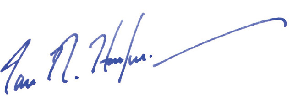
Professor Emeritus Ian Harper AO
Chairperson
25 September 2024
Foreword
Foreword

ASAC Chairperson, Professor Emeritus Ian Harper AO
The Australian Statistics Advisory Council (ASAC, the Council) has a key role in assisting the Australian Bureau of Statistics (ABS) to enhance its effectiveness as a public institution. The ABS is Australia’s national statistical agency and the ABS’ purpose is to inform Australia’s important decisions by delivering relevant, trusted and objective data, statistics and insights.
Better decisions based on better data make for improvement in the welfare of all Australians.
The Council advises the ABS and its Minister on improving Australia’s statistical services and draws together perspectives from State and Territory governments, public sector agencies and representatives of private industry and academia. This assists the ABS to set priorities among the competing demands for its services, and to ensure that its decisions are accountable to major users of public data.
The Council met three times during 2023–24. The Council’s meetings helped to build understanding of challenges faced around Australia and in different sectors of the economy, and the role of statistics in addressing them.
This annual report summarises ASAC’s activities over the past year and identifies future areas of focus. I thank Council members for their active engagement with the business of the Council at each meeting. On behalf of the Council, I would also like to thank members of the ASAC Secretariat for their logistical and technical support of the Council’s affairs.
Professor Emeritus Ian Harper AO
Chairperson
Chapter 1: About ASAC
Legislation
The Australian Bureau of Statistics Act 1975 (the ABS Act) establishes the Australian Statistics Advisory Council (ASAC, the Council) to advise the Minister and the Australian Statistician on Australia’s statistical services and statistical priorities.
Purpose
To contribute to the effective development of Australia's statistical assets, by providing the Minister and the Australian Statistician with independent, relevant, and timely advice on national priorities.
Role
ASAC contributes to ABS decision-making on statistical priorities and helps inform its assessment of risks and development of strategies. ASAC also advocates for a national statistical system that is adequately resourced and effectively managed.
The Minister and the Australian Statistician may seek advice from the Council on statistical matters.
Operations of the Council
The Council consists of a part-time Chairperson, the Australian Statistician (ex officio), and between ten and twenty-two part-time members. The Council includes a representative from each State and Territory nominated by the Premier or Chief Minister, and representatives from academia, business and community sectors.
The Minister appoints the Council Chairperson for five years and members for up to three years. Members are eligible for reappointment when their terms expire. Appendix 1 lists the names and positions of members as at 30 June 2024.
The Council typically meets three times a year in Canberra, Melbourne and Sydney by rotation. The Council may also interact out of session on any specific matters requiring its attention.
The Chairperson receives an annual fee as set by the Remuneration Tribunal. Other Council Members do not receive any fees but may receive a prescribed travel allowance to support their attendance at meetings.
Costs associated with the operations of ASAC are met from the ABS budget, and secretariat services are provided by ABS staff. Council secretariat services include:
- arranging and supporting meetings
- administering ASAC activities and membership
- assisting with preparation of its Annual Report
- drafting submissions, correspondence or papers issued under the authority of the Council or the Chairperson.
Chapter 2: Year in Review: 2023–24
Responsible Minister
During 2023–24, the Minister responsible for the ABS and ASAC was the Hon Dr Andrew Leigh MP, Assistant Minister for Competition, Charities and Treasury.
Delivery against 2023–24 Priorities
The ASAC Annual Report 2022–23 articulated the priorities for 2023–24 as:
- Advise on the ABS work program under resource constraints.
- Assist in clarifying ABS roles and responsibilities within an evolving data landscape.
- Assist in building and maintaining community trust.
- Advise on opportunities.
- Monitor and advise on the 2026 Census program.
The Council held three meetings during 2023–24: July 2023, November 2023, and March 2024 (see Appendix 2 for meeting agendas).
1. Advise on ABS work program
At each ASAC Meeting, the Council received reports from the Australian Statistician on relevant ABS business. The Council received frequent updates on the comprehensive review of the Australian and New Zealand Standard Classification of Occupations (ANZSCO) which aims to better reflect the contemporary labour market. Council members were encouraged to provide feedback through the various consultation rounds which informed the development of proposed changes to the classification.
At the July meeting, the Australian Statistician reported that, over the past 18 months, the ABS has been reviewing its operating model. The Council noted there would be no direct impact on clients or deliverables and the majority of ABS staff will not be affected by this change. The benefits of the new operating model will include: removing unnecessary duplication and double-handling; consolidating like functions to better leverage innovation and delivery; and ensuring the ABS’ priorities are well understood right through the organisation and reflected through resource allocation and management. The Council understood that the new structure would be launched in mid-August 2023.
At the November meeting, the Council considered the ABS’ intention to cease the Retail Business Survey and Retail Trade publication after the June 2025 reference period (publication date of August 2025). The Council noted enhancements to the monthly household spending and business turnover indicators will provide users with a more comprehensive view on household consumption and eliminate the need for businesses to respond to the Retail Business Survey. The Council advocated for continued stakeholder engagement prior to the Retail Business Survey and Retail Trade publication ceasing in June 2025.
At the November meeting, the Council noted the ABS internal budget pressures affecting the ABS work program. Council members agreed it would be useful to understand the framework and processes the ABS uses to prioritise outputs. The ABS agreed to put forward a paper on this topic and at the March meeting the Council considered the ABS Enterprise Planning Process. The Council noted the progress in this area and the challenges around balancing timeliness, quality and cost. The Council encouraged the ABS to consider opportunities to collaborate with external partners or agencies to deliver products the ABS has decided to cease or does not deliver. The Council also provided suggestions on what publications could cease or be published by others.
Additionally, at the November meeting, the Council considered the challenges of estimating net interstate migration (NIM). The Council noted the ABS will conduct a mid-point intercensal review to reduce any error accumulating over the entire intercensal period and is also exploring whether driver licence data might provide additional improvements to population estimates. Both the implementation of the intercensal review and further investigation of driver licence data require significant investment, and the ABS does not have the capacity to pursue both.
At the March Meeting, the ABS sought agreement from the Council that ABS resources should be focused on the intercensal NIM review. The Council considered the National Exchange of Vehicle and Driver Information System (NEVDIS) driver licence data, including its shortcomings, and recommended the ABS focus on progressing the intercensal NIM review. The Council commended the ABS for the work being undertaken to improve the estimated resident population.
2. Assist in clarifying ABS roles and responsibilities within an evolving data landscape
During 2023–24 the Council advised the ABS on emerging statistical challenges and opportunities across the jurisdictions and sectors represented. The Council continued to report housing and cost of living were a priority and that any further information the ABS could produce would be appreciated.
At the July meeting, a joint paper from the ABS, Department of Finance and Digital Transformation Agency was presented to the Council on the Australian Government’s Data and Digital Government Strategy and the accompanying Implementation Plan. Council members discussed their views on the Strategy and ideas for potential data and digital initiatives for inclusion in the Implementation Plan. The Council also advocated for a collaborative approach to developing the Strategy focusing on consultation with a wide range of stakeholders. Council members were encouraged to submit feedback throughout the public consultation process.
3. Assist in building and maintaining community trust
At the March meeting, the Australian Statistician outlined the error in enrolment projections data that the ABS supplied to the Australian Electoral Commission (AEC) for use in the redistributions of electoral boundaries in Victoria and Western Australia. The error was corrected, and new data supplied quickly, with the AEC confirming that the redistribution process continued with its planned timetable.
The Council noted the Australian Statistician commissioned former Australian Statistician Dennis Trewin AO to undertake a review to examine ABS processes to reduce the possibility of similar errors occurring in the release of ABS statistics and to advise of potential areas of risk in current processes.
Mr Trewin’s review, which was published on the ABS website, made several recommendations specific to the enrolment projections process as well as some general lessons to strengthen and reinforce the importance of quality managements arrangements within ABS. These findings will be combined with those from an internal audit of statistical quality gates which the ABS had commissioned before this incident.
The Council requested an update be provided at a future meeting to understand the actions being undertaken to maintain users’ trust and confidence in ABS outputs.
4. Advise on opportunities
During 2023–24 the Council advised the ABS on emerging statistical challenges and opportunities across the jurisdictions and sectors represented. The Council continued to advocate for more detailed statistics capturing changes in the housing market and other cost of living pressures.
At the July meeting, the Council noted the outcomes for the ABS from the 2023–24 Budget, specifically:
- Phase 2 of the Big Data, Timely Insights program which will produce new important data, including a complete monthly measure of the Consumer Price Index (CPI), and transition key data assets and statistical methods to the ABS secure cloud environment.
- The Life Course Data Initiative (LCDI) which will provide access and link new administrative data assets to improve data coverage over the early stages of people’s lives with the aim of generating a better understanding of entrenched disadvantage.
- The rephasing and augmenting of the 2026 Census budget which will better reflect when funding is needed to support a more modernised and digital Census for 2026 and into the future.
The Council congratulated the ABS on its successful Budget outcomes and expressed its appreciation of the announcement of a complete monthly measure of the CPI, which will commence in late 2025.
During 2023–24 the Council received regular updates on the LCDI and considered how the ABS will use LCDI data to produce official statistics, develop new methods for identifying household and family structures, and indices of entrenched disadvantage. Jurisdictional Council members were encouraged to make a submission to partner with the ABS. At the March meeting, it was announced the ABS would be partnering with ACT government to deliver the LCDI, and collaborating with SA government and University of Adelaide to link the Better Evidence, Better Outcomes, Linked Data (BEBOLD) to the Person Level Integrated Data Asset (PLIDA) for LCDI analysis.
At the November meeting, the Council discussed how the ABS has utilised Generative AI (ChatGPT) to assist with some low-risk work in the development of the new ANZSCO classifications, which has resulted in greater efficiency and cost savings. The Council noted this work was undertaken after consideration of the legal, ethical, security and quality aspects of the work.
5. Monitor and advise on the 2026 Census program
At the July meeting, the Council was provided with an update on the two-phase public consultation process as part of the review of 2026 Census topics. The Council noted the ABS would be publishing a report on 27 July 2023 on the outcomes of the first phase of consultation, including the topics shortlisted for inclusion or change or being considered for removal, and launch the second phase of public consultation. Council members considered the opportunities to use administrative data to add value to the Census.
At the November meeting, the Council was provided with an update on the preparations for the 2026 Census, noting preparations are in full swing and progressing well. The ABS highlighted the Census content consultation review had seen strong interest and the demand for new topics was greater than can be accommodated in the Census.
The Council noted the 2026 Census Phase 1 Privacy Impact Assessment (PIA) commenced in early 2023 and was finalised in September 2023. The PIA report and ABS response were published on the ABS website. The Council noted the report highlights the tension between the views of those who desire greater access to and use of the Census and others who are uncomfortable with and are opposed to any changes to past ABS practices.
Chapter 3: Looking forward: 2023–24 ASAC Statement of Intent
Purpose and Role of ASAC
The legislation, purpose, and role of ASAC will remain unchanged from 2023–24.
In line with its legislated functions, ASAC will continue to represent government and community interests by advising the Minister and the Australian Statistician on Australia’s current and longer-term statistical priorities and ABS’ strategies to deliver them.
As an advisory forum with broad membership and understanding of developments in the wider environment, ASAC will:
- advise the Minister and the ABS as appropriate in relation to ABS functions
- provide input into the strategic directions, risks, priorities and key deliverables of the ABS
- advocate for an effective national statistical system and support the ABS’ role within it
- report annually to the Parliament.
To help the ABS respond to issues and plan, ASAC will:
- provide the ABS with frank advice and feedback
- draw on the expertise of ASAC members and seek input from stakeholders
- help identify risks and raise potential issues
- provide guidance where needed to ensure the ABS remains a trusted and relevant data provider.
The Chairperson of ASAC will convey advice to the Minister as appropriate and report back to the Council.
Priorities for 2024-25
The priorities for the Council remain unchanged for 2024–25:
- Advise on the ABS work program under resource constraints to ensure the ongoing needs of government and stakeholders for quality data can be met in a timely, efficient, and effective manner.
- Assist in clarifying ABS roles and responsibilities within an evolving data landscape, including in data integration and access, strengthening data security, and in promoting an effective national statistical system.
- Assist in building and maintaining community trust, including through supporting ABS activities, identifying potential reputational risks and advising on stakeholder engagement.
- Advise on opportunities to enhance statistical capabilities across the public sector and beyond.
- Monitor and advise on the 2026 Census program in light of lessons learned from the 2021 Census, including potential innovations in the conduct of the Census and longer-term possibilities for the Census.
2024–25 proposed activities
The Council will meet three times in 2024–25: July 2024 (Sydney), November 2024 (Canberra) and March 2025 (Melbourne).
Appendix 1: Membership of ASAC as at 30 June 2024
| Member | Date first appointed | Meetings attended during 2023-24 | |
|---|---|---|---|
| Prof Emeritus Ian Harper AO | 28 February 2022 | 3 | |
| Dr David Gruen AO | 11 December 2019 | 3 | |
| Australian Statistician (ex officio) Australian Bureau of Statistics | |||
| Prof Lisa Jackson Pulver AM | 8 April 2013 | 0 | |
| Deputy Vice Chancellor The University of Sydney | |||
| Dr Luci Ellis | 2 November 2015 | 3 | |
| Chief Economist, Westpac Banking Group | |||
| Mr Stephen Walters | 2 November 2015 | 2 | |
| Chief Economist Business Council Australia | |||
| Prof Abigail Payne | 30 April 2018 | 2 | |
| Director and Ronald Henderson Professor University of Melbourne | |||
| Ms Gayle Milnes | 12 October 2022 | 2 | |
| National Data Commissioner Office of the National Data Commissioner | |||
| Ms Melinda Cilento | 12 October 2022 | 2 | |
| Chief Executive Committee for Economic Development of Australia | |||
| Prof Robert Breunig | 12 October 2022 | 3 | |
| Director, Tax and Transfer Policy Institute Chair of Tax Policy and Public Finance Professor of Economics, Crawford School of Public Policy, Australian National University | |||
| Prof Nicholas Biddle | 20 January 2023 | 3 | |
| Professor of Economic and Public Policy Associate Director, ANU Centre for Social Research and Methods, Australian National University | |||
| Dr Shane Johnson | 8 September 2023 | 2 | |
| First Assistant Secretary, Macroeconomic Analysis and Policy Division, Department of the Treasury | |||
| Dr Sarah Hunter | 1 March 2024 | 1 | |
| Assistant Governor/Chief Economist, Reserve Bank of Australia | |||
| State/Territory Representatives | Date first appointed | Meetings attended during 2023-24 | |
|---|---|---|---|
| Ms Joann Wilkie | 12 November 2022 | 3 | |
| Deputy Secretary for the Economic Strategy & Productivity Group New South Wales Treasury | |||
| Mr Paul Donegan | 1 March 2024 | 2 | |
| Deputy Secretary, Economic Division Department of Treasury and Finance, Victoria | |||
| Mr Antony Skinner | 8 April 2013 | 3 | |
| Government Statistician Queensland Treasury | |||
| Mr Michael Andrews | 1 March 2024 | 1 | |
| Assistant Under Treasurer (Economic) Department of Treasury, Western Australia | |||
| Mr Todd Crawford | 10 October 2023 | 2 | |
| Executive Director, Resilience and Recovery Tasmania Policy and Delivery, Tasmanian Department of Premier and Cabinet | |||
| Mr Mick Butler | 3 May 2021 | 3 | |
| Deputy Under Treasurer Department of Treasury and Finance, Northern Territory | |||
| Mr Stephen Miners | 19 August 2021 | 3 | |
| Deputy Under Treasurer, Chief Minister Treasury and Economic Development Directorate Australian Capital Territory | |||
| Ms Tammie Pribanic | 9 November 2022 | 1 | |
| Deputy Under Treasurer South Australian Department of Treasury and Finance | |||
The Minister appointed the following members to the Council during 2023–24:
- Dr Shane Johnson
- Dr Sarah Hunter
- Mr Paul Donegan
- Mr Michael Andrews
- Mr Todd Crawford
The following members were farewelled in 2023–24, with thanks for their contributions to the Council:
- Mr Luke Yeaman
- Ms Fiona Calvert
- Mr Chris Barrett
- Mr Alistair Jones
Appendix 2: ASAC 2023–24 meeting agendas
19 July 2023
- Welcome and introduction
- Minutes and action items from previous meeting
- Statistician's report
- Members’ reports
- Update on the National Disability Data Asset / Australian National Data Integration Infrastructure
- ABS Budget Outcomes
- Data and Digital Government Strategy
- Other business
22 November 2023
- Welcome and introduction
- Minutes and action items from previous meeting
- Statistician's report
- Members’ reports
- Update on State and Territory population estimates
- 2026 Census Program Update
- 2023-24 ABS Internal Budget Pressures
- Other business
21 March 2024
- Welcome and introduction
- Minutes and action items from previous meeting
- Statistician's report
- Members’ reports
- Enterprise Planning Process
- APS Data Profession update
- Analysis of drivers’ licence data to inform estimated resident population
- Other business
Appendix 3: Freedom of Information
In accordance with section 8 of the Freedom of Information Act 1982, details of the structure and functions of ASAC and how members of the public can obtain access to information held by the Council are outlined below.
Establishment, organisation and functions
For information regarding the establishment, organisation and function of ASAC, see Chapter 1 – About ASAC.
Powers
As an advisory body, ASAC has no decision-making or other powers directly affecting members of the public. The Council does not administer any enactments or schemes.
Arrangements for outside participation
ASAC members are appointed by the Minister responsible for the ABS to ensure a broad range of views and interests are reflected in the advice that the Council offers to the Minister and the Australian Statistician. For membership details, see Appendix 1.
Persons or bodies outside the Australian Government administration may contribute matters for the Council’s consideration by making representations to the Minister or the ASAC Chairperson. Contributions can be directed in writing to the ASAC Secretariat at the address below.
Information available
The ASAC Annual Report is available on the ABS website. The ABS maintains records on behalf of ASAC relating to: the administration of the Council; papers discussed at Council meetings; summary records of meeting proceedings; and correspondence relating to the activities of the Council.
Feedback and enquiries
ASAC welcomes feedback on this report. Feedback or enquiries related to accessing ASAC documents, including enquiries under the Freedom of Information Act 1982, may be directed in writing (by post or email) to:
Secretariat
Australian Statistics Advisory Council
c/– Australian Bureau of Statistics
Locked Bag 10
Belconnen ACT 2616
Email: asac@abs.gov.au